


2024 Vol. 38, No. 6
Display Method:
2024, 38(6): 3-32.
Abstract:
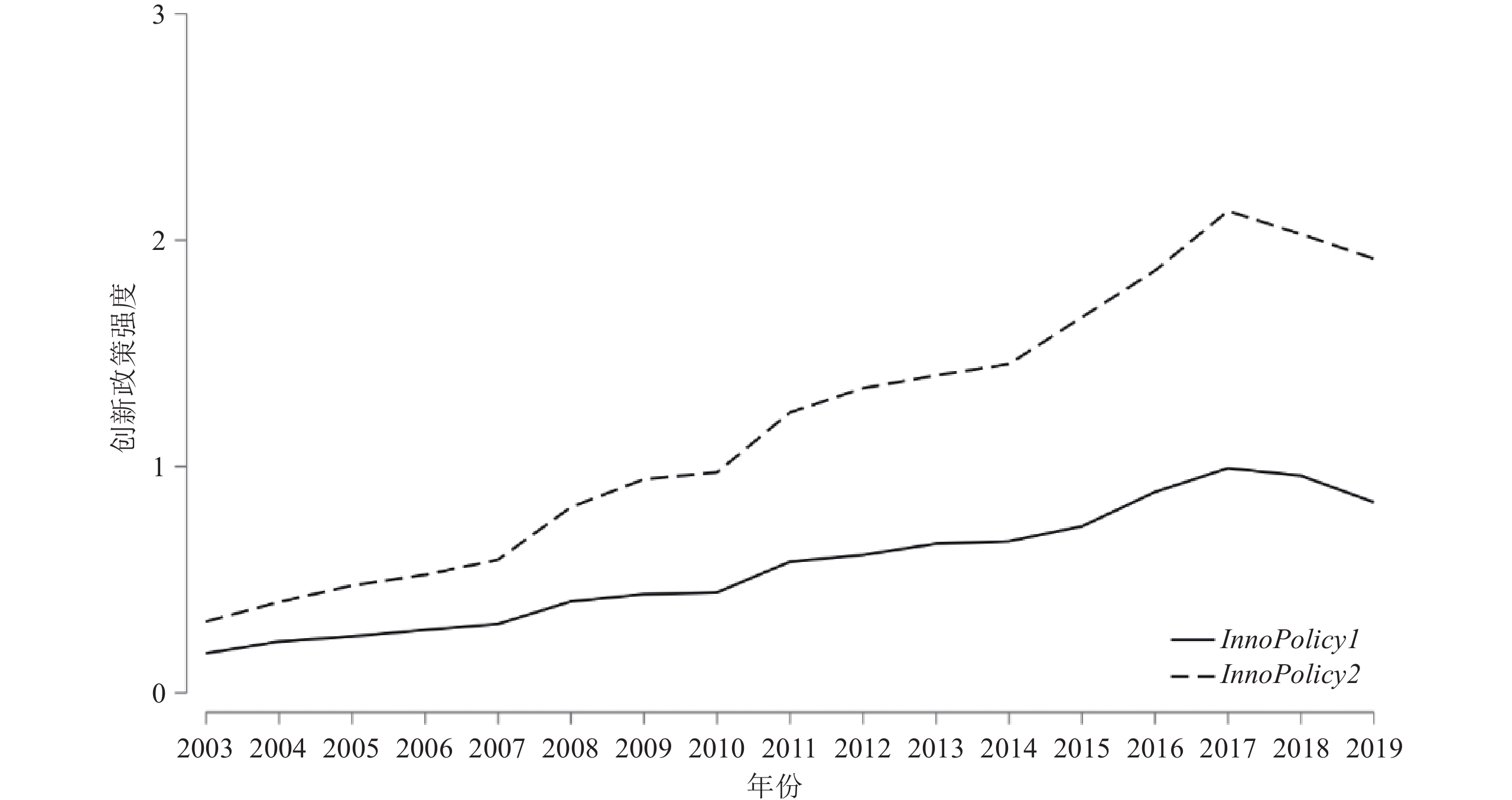
Existing studies on government innovation policies have largely focused on individual policy instruments or partial effects, while paying less attention to overall policy intensity and its systemic impact. At the prefecture level, particularly, the number, content, and enforcement of policy documents jointly shape the external environment for corporate innovation, potentially exerting profound effects on innovation output, efficiency, and performance. This raises the question: how does the intensity of local government innovation policy influence corporate innovation? Using a sample of A-share listed firms from 2004 to 2020, policy documents are classified through an LDA topic model, and the intensity of local government innovation policy is measured by the number of documents and the frequency of innovation-related terms under the theme of innovation support and innovation environment. The results show that policy intensity significantly promotes corporate innovation output, with more pronounced effects in the later stages of R&D and in regions with higher levels of marketization. Government funding support, financing environment development, talent attraction, and firm agglomeration are identified as the main mechanisms through which the intensity of innovation policy fosters innovation. Further analysis indicates that the intensity of innovation policy also significantly enhances the efficiency and performance of corporate innovation.
Existing studies on government innovation policies have largely focused on individual policy instruments or partial effects, while paying less attention to overall policy intensity and its systemic impact. At the prefecture level, particularly, the number, content, and enforcement of policy documents jointly shape the external environment for corporate innovation, potentially exerting profound effects on innovation output, efficiency, and performance. This raises the question: how does the intensity of local government innovation policy influence corporate innovation? Using a sample of A-share listed firms from 2004 to 2020, policy documents are classified through an LDA topic model, and the intensity of local government innovation policy is measured by the number of documents and the frequency of innovation-related terms under the theme of innovation support and innovation environment. The results show that policy intensity significantly promotes corporate innovation output, with more pronounced effects in the later stages of R&D and in regions with higher levels of marketization. Government funding support, financing environment development, talent attraction, and firm agglomeration are identified as the main mechanisms through which the intensity of innovation policy fosters innovation. Further analysis indicates that the intensity of innovation policy also significantly enhances the efficiency and performance of corporate innovation.
2024, 38(6): 33-54.
Abstract:
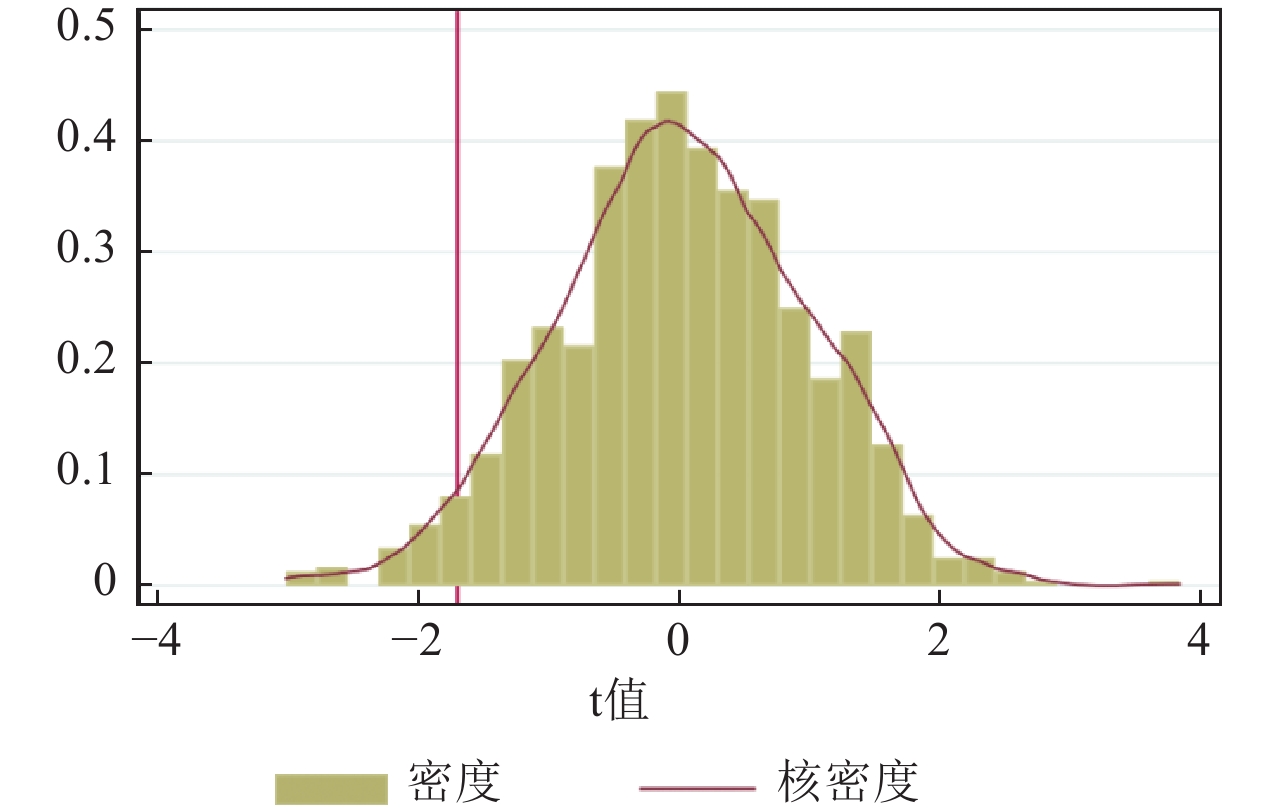
Establishing a sound dividend mechanism serves as a crucial pathway to mitigating short-term speculative behaviors in capital markets and safeguarding investors’ rights and interests. Enhancing investment efficiency forms the foundation for companies to cultivate sustainable dividend distribution capacity and to establish robust long-term investor protection mechanisms. Utilizing a sample of non-financial listed companies from the Shanghai and Shenzhen A-share markets from 2011 to 2015, and leveraging the quasi-natural experiment provided by the Shanghai Stock Exchange Cash Dividend Guidelines for Listed Companies implemented in 2013, this study examines the impact of the option-style dividend regulatory policy on corporate investment efficiency, and further analyzes how corporate choices regarding dividend distribution or enhanced disclosure, within the bounds permitted by the regulatory policy, affect the mitigation of inefficient investment. The findings indicate that the implementation of the option-style dividend regulatory policy significantly improves corporate investment efficiency, specifically by effectively mitigating underinvestment, but does not have a significant effect on curbing overinvestment. Mechanism tests reveal that both dividend payments and disclosure practices mitigate underinvestment by easing financing constraints and enhanceing information transparency. Heterogeneity analysis shows that the positive effect of the option-style dividend regulatory policy on corporate investment efficiency is more pronounced in regions with lower marketization levels or among smaller companies.
Establishing a sound dividend mechanism serves as a crucial pathway to mitigating short-term speculative behaviors in capital markets and safeguarding investors’ rights and interests. Enhancing investment efficiency forms the foundation for companies to cultivate sustainable dividend distribution capacity and to establish robust long-term investor protection mechanisms. Utilizing a sample of non-financial listed companies from the Shanghai and Shenzhen A-share markets from 2011 to 2015, and leveraging the quasi-natural experiment provided by the Shanghai Stock Exchange Cash Dividend Guidelines for Listed Companies implemented in 2013, this study examines the impact of the option-style dividend regulatory policy on corporate investment efficiency, and further analyzes how corporate choices regarding dividend distribution or enhanced disclosure, within the bounds permitted by the regulatory policy, affect the mitigation of inefficient investment. The findings indicate that the implementation of the option-style dividend regulatory policy significantly improves corporate investment efficiency, specifically by effectively mitigating underinvestment, but does not have a significant effect on curbing overinvestment. Mechanism tests reveal that both dividend payments and disclosure practices mitigate underinvestment by easing financing constraints and enhanceing information transparency. Heterogeneity analysis shows that the positive effect of the option-style dividend regulatory policy on corporate investment efficiency is more pronounced in regions with lower marketization levels or among smaller companies.



2024, 38(6): 55-73.
Abstract:
To enhance audit quality and efficiency and address issues such as inaccurate confirmations and inefficiencies, five Chinese ministries, including the Ministry of Finance, jointly issued the Notice on Launching the Pilot Program for Bank Confirmations (Cai Kuai [2022] No.5), initiating a pilot program involving selected listed companies, accounting firms, and banking financial institutions. A notable feature of this pilot is its focus on systematically advancing the centralization of bank confirmations and actively exploring the digitalization of bank confirmations. This paper uses the pilot as a quasi-natural experiment to examine investor responses to the centralization and digitalization of bank confirmations in audit practices. The findings indicate that: (1) The cumulative abnormal return within a short event window around the announcement date is approximately 2.5%, suggesting that investors expect the centralization and digitalization of bank confirmations to improve audit quality and efficiency. (2) The higher the level of excess cash holdings of listed companies, the stronger the market reaction, and this response exhibits significant heterogeneity. The positive market response to excess cash holdings is more pronounced when managerial shareholding is lower and financing constraints are more severe. These results imply that investors expect the centralized and digitalized bank confirmations to reduce data errors and fraud risks, enhance the quality of accounting information and the effectiveness of audits, and particularly hold significant value in addressing specific audit risks arising from excess cash holdings, agency costs, and financing constraints. This study extends research on the economic consequences of centralization and digitalization of bank confirmation and provides empirical evidence for improving audit quality and enhancing the blockchain-based platform for bank confirmations.
To enhance audit quality and efficiency and address issues such as inaccurate confirmations and inefficiencies, five Chinese ministries, including the Ministry of Finance, jointly issued the Notice on Launching the Pilot Program for Bank Confirmations (Cai Kuai [2022] No.5), initiating a pilot program involving selected listed companies, accounting firms, and banking financial institutions. A notable feature of this pilot is its focus on systematically advancing the centralization of bank confirmations and actively exploring the digitalization of bank confirmations. This paper uses the pilot as a quasi-natural experiment to examine investor responses to the centralization and digitalization of bank confirmations in audit practices. The findings indicate that: (1) The cumulative abnormal return within a short event window around the announcement date is approximately 2.5%, suggesting that investors expect the centralization and digitalization of bank confirmations to improve audit quality and efficiency. (2) The higher the level of excess cash holdings of listed companies, the stronger the market reaction, and this response exhibits significant heterogeneity. The positive market response to excess cash holdings is more pronounced when managerial shareholding is lower and financing constraints are more severe. These results imply that investors expect the centralized and digitalized bank confirmations to reduce data errors and fraud risks, enhance the quality of accounting information and the effectiveness of audits, and particularly hold significant value in addressing specific audit risks arising from excess cash holdings, agency costs, and financing constraints. This study extends research on the economic consequences of centralization and digitalization of bank confirmation and provides empirical evidence for improving audit quality and enhancing the blockchain-based platform for bank confirmations.
2024, 38(6): 74-92.
Abstract:
Taking China’s A-share listed firms in high-tech industry from 2015 to 2021 as samples, the study uses Python to crawl and manually collate more than 20 million retail postings from the East Money Stock Forum, builds an internet-based information interaction network among firms via a complex network model, and examines the impact of retail investors’ online voice on enterprise innovation. The findings reveal that: (1) Retail investors’ online voice exerts a network-based monitoring effect, which promotes enterprise innovation. (2) Retail investors’ online voice enhances enterprise innovation by curbing earnings management and alleviating information asymmetry, indicating that both factors play partial mediating roles. (3) The network-based monitoring effect exhibits significant heterogeneity across enterprises with different levels of government subsidies and ownership concentration. From a social network perspective, this study confirms that retail investors’ public oversight can foster enterprise innovation, and provides empirical insights for enhancing the supervisory role of both regulators and investors.
Taking China’s A-share listed firms in high-tech industry from 2015 to 2021 as samples, the study uses Python to crawl and manually collate more than 20 million retail postings from the East Money Stock Forum, builds an internet-based information interaction network among firms via a complex network model, and examines the impact of retail investors’ online voice on enterprise innovation. The findings reveal that: (1) Retail investors’ online voice exerts a network-based monitoring effect, which promotes enterprise innovation. (2) Retail investors’ online voice enhances enterprise innovation by curbing earnings management and alleviating information asymmetry, indicating that both factors play partial mediating roles. (3) The network-based monitoring effect exhibits significant heterogeneity across enterprises with different levels of government subsidies and ownership concentration. From a social network perspective, this study confirms that retail investors’ public oversight can foster enterprise innovation, and provides empirical insights for enhancing the supervisory role of both regulators and investors.
2024, 38(6): 93-115.
Abstract:
Digital technology provides a strong impetus for the transformation and upgrading of the manufacturing industry and the accelerated formation of new quality productive forces. However, due to the advanced nature of digital technology and the complexity of its integration into operation practices, enterprises commonly face the challenge of being “unable or hesitant to transform” during their digital transition. As exemplary demonstrators of digital manufacturing, do the advanced digital knowledge accumulated by Lighthouse Factories in their practices spill over to peer firms, thereby facilitating their digital transformation? The study finds that: (1) The Lighthouse Factories significantly improve the digitalization level of peer firms through knowledge spillovers. (2) As knowledge recipients, peer firms actively learn digital knowledge and re-innovate, which is the key approach to achieving these knowledge spillover effects. (3) The knowledge spillover effects of the Lighthouse Factories are more significant when peer firms exhibit stronger willingness to learn, more opportunities for knowledge access, and better knowledge absorptive capabilities. (4) The capital market responds positively to the knowledge spillover effects of the Lighthouse Factories. (5) Compared to domestic Lighthouse Factories, the knowledge spillover effect generated by overseas Lighthouse Factories is relatively weaker. This study demonstrates that cultivating benchmark digital manufacturing factories and promoting the spillover of their advanced digital knowledge can facilitate the integration of digital technology and the real economy on a broader and deeper level, and provides valuable insights for the deep integration of digital technology into the operational practices of manufacturing firms.
Digital technology provides a strong impetus for the transformation and upgrading of the manufacturing industry and the accelerated formation of new quality productive forces. However, due to the advanced nature of digital technology and the complexity of its integration into operation practices, enterprises commonly face the challenge of being “unable or hesitant to transform” during their digital transition. As exemplary demonstrators of digital manufacturing, do the advanced digital knowledge accumulated by Lighthouse Factories in their practices spill over to peer firms, thereby facilitating their digital transformation? The study finds that: (1) The Lighthouse Factories significantly improve the digitalization level of peer firms through knowledge spillovers. (2) As knowledge recipients, peer firms actively learn digital knowledge and re-innovate, which is the key approach to achieving these knowledge spillover effects. (3) The knowledge spillover effects of the Lighthouse Factories are more significant when peer firms exhibit stronger willingness to learn, more opportunities for knowledge access, and better knowledge absorptive capabilities. (4) The capital market responds positively to the knowledge spillover effects of the Lighthouse Factories. (5) Compared to domestic Lighthouse Factories, the knowledge spillover effect generated by overseas Lighthouse Factories is relatively weaker. This study demonstrates that cultivating benchmark digital manufacturing factories and promoting the spillover of their advanced digital knowledge can facilitate the integration of digital technology and the real economy on a broader and deeper level, and provides valuable insights for the deep integration of digital technology into the operational practices of manufacturing firms.
2024, 38(6): 116-138.
Abstract:
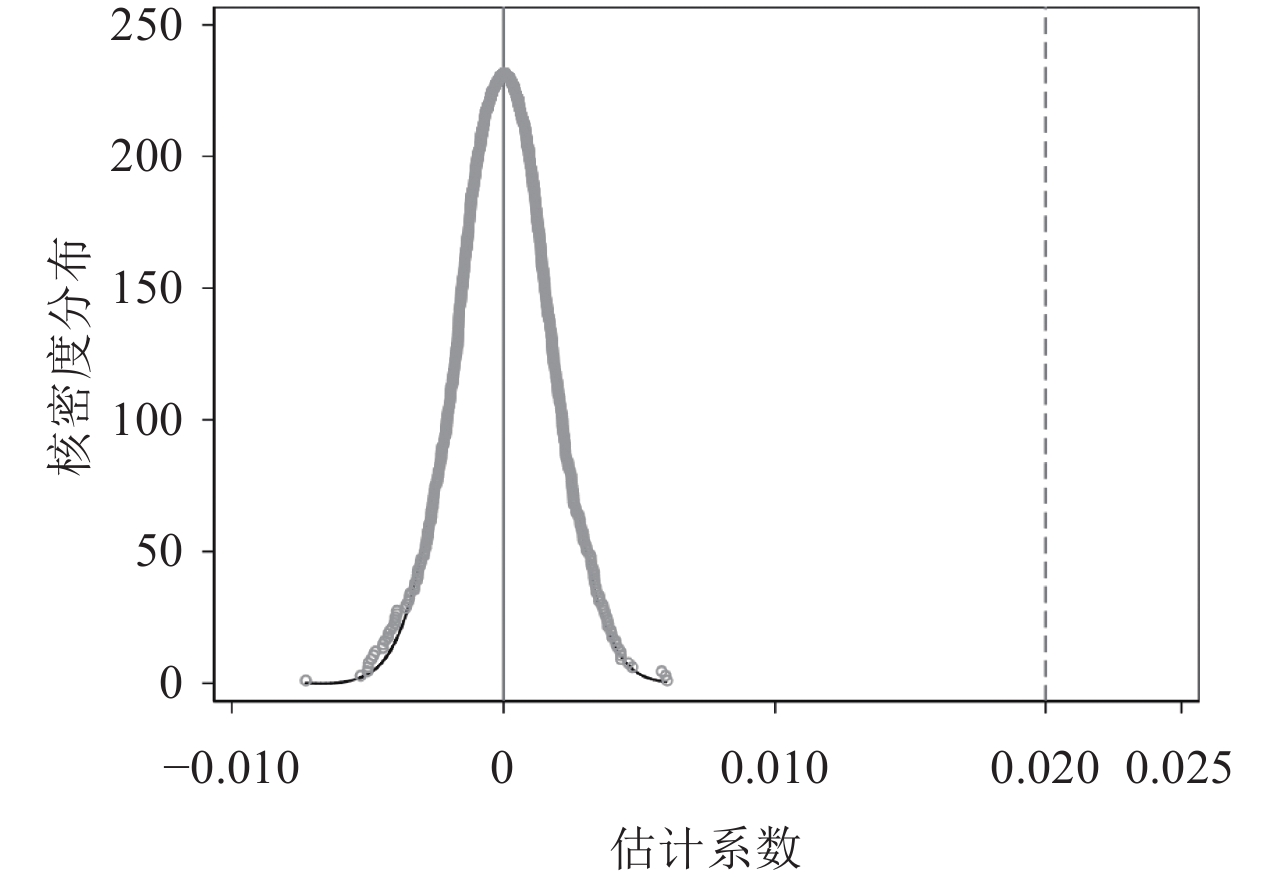
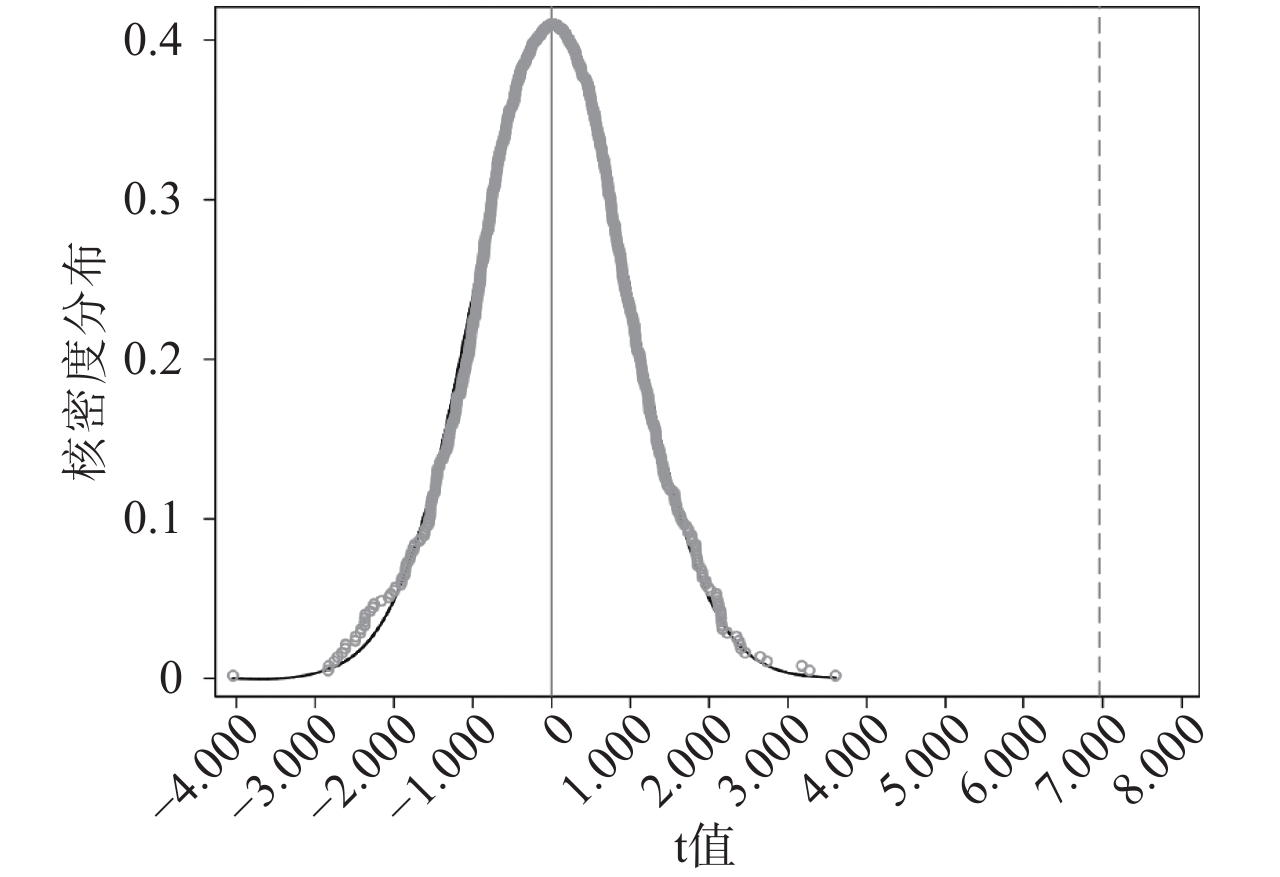
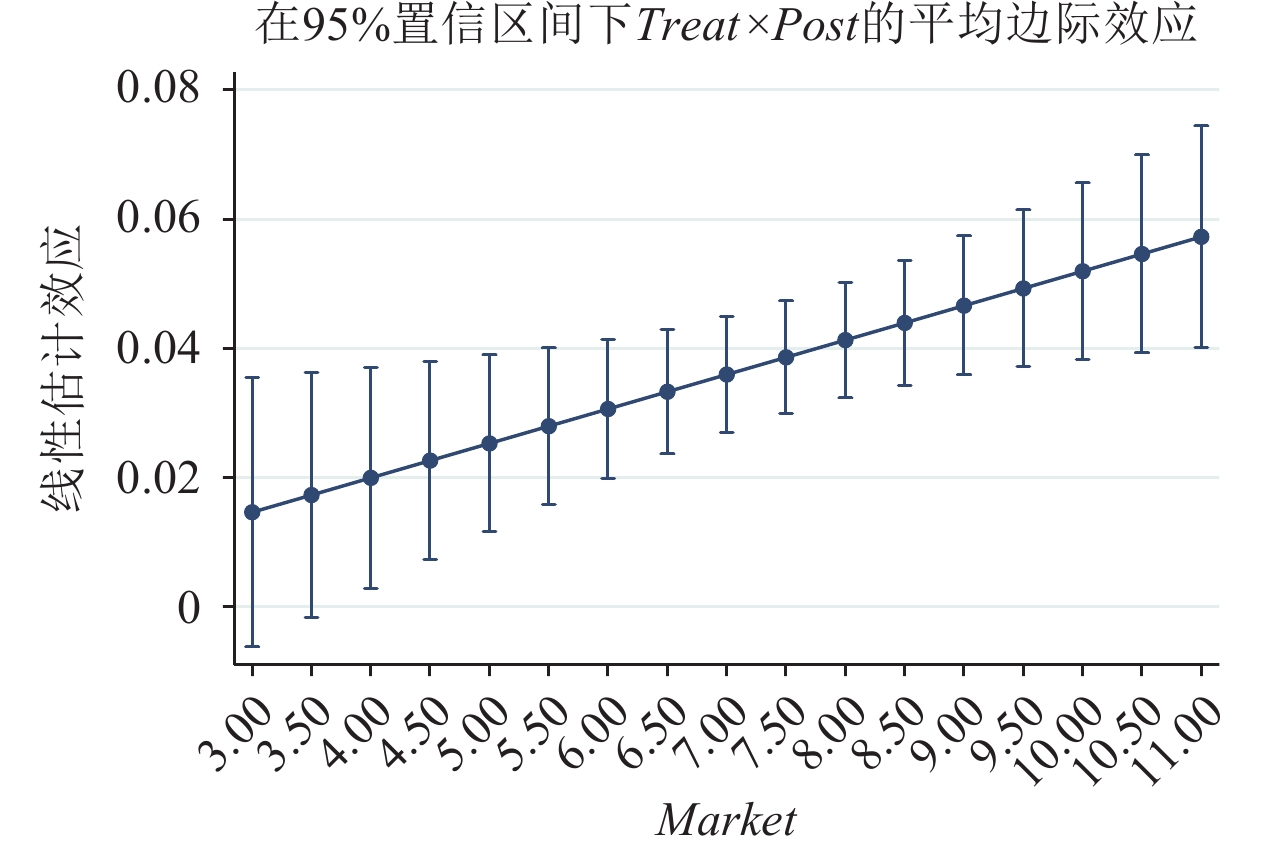
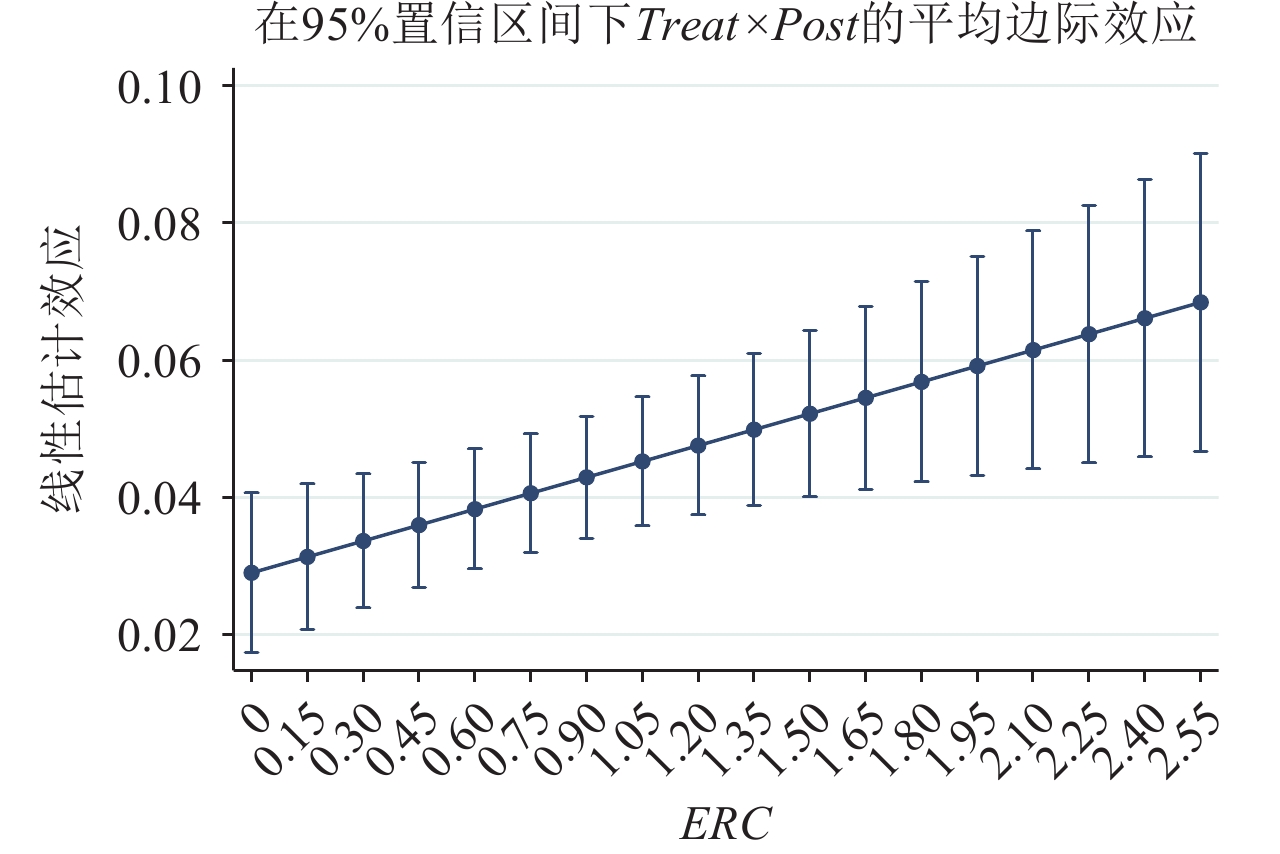
Green finance is an important policy instrument for supporting corporate green development. This paper constructs the intensity of corporate green transformation by using the textual information from the annual reports of listed companies from 2007 to 2020, and empirically examines the causal relationship and mechanisms between financial incentive policies and the green transformation of listed companies based on the quasi-natural experiment of the green credit policy. The findings demonstrate that the green credit policy significantly drives corporate green transformation, and this effect is more pronounced in regions with higher carbon dioxide emission intensity, greater marketization, and stricter environmental regulations. The mechanism analysis reveals that the green credit policy promotes corporate green transformation through improving financial conditions, optimizing development concepts, and enhancing green vitality. Further tests indicate that the driving effect of the green credit policy on corporate green transformation is stronger when coupled with the peer effect, with the positive spillover effect from peers in different industries being particularly significant. This paper provides empirical evidence for understanding the effectiveness and mechanisms of the green credit policy.
Green finance is an important policy instrument for supporting corporate green development. This paper constructs the intensity of corporate green transformation by using the textual information from the annual reports of listed companies from 2007 to 2020, and empirically examines the causal relationship and mechanisms between financial incentive policies and the green transformation of listed companies based on the quasi-natural experiment of the green credit policy. The findings demonstrate that the green credit policy significantly drives corporate green transformation, and this effect is more pronounced in regions with higher carbon dioxide emission intensity, greater marketization, and stricter environmental regulations. The mechanism analysis reveals that the green credit policy promotes corporate green transformation through improving financial conditions, optimizing development concepts, and enhancing green vitality. Further tests indicate that the driving effect of the green credit policy on corporate green transformation is stronger when coupled with the peer effect, with the positive spillover effect from peers in different industries being particularly significant. This paper provides empirical evidence for understanding the effectiveness and mechanisms of the green credit policy.

2024, 38(6): 139-154.
Abstract:
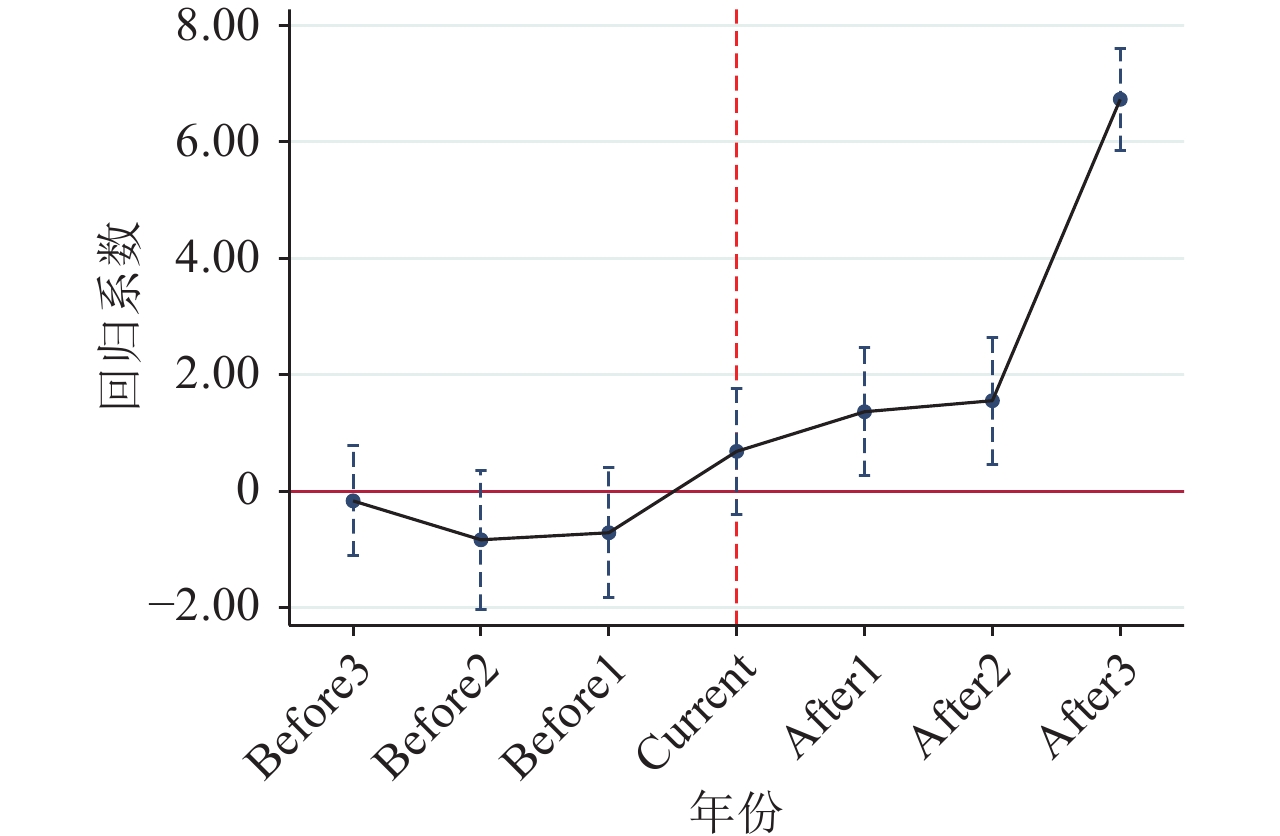
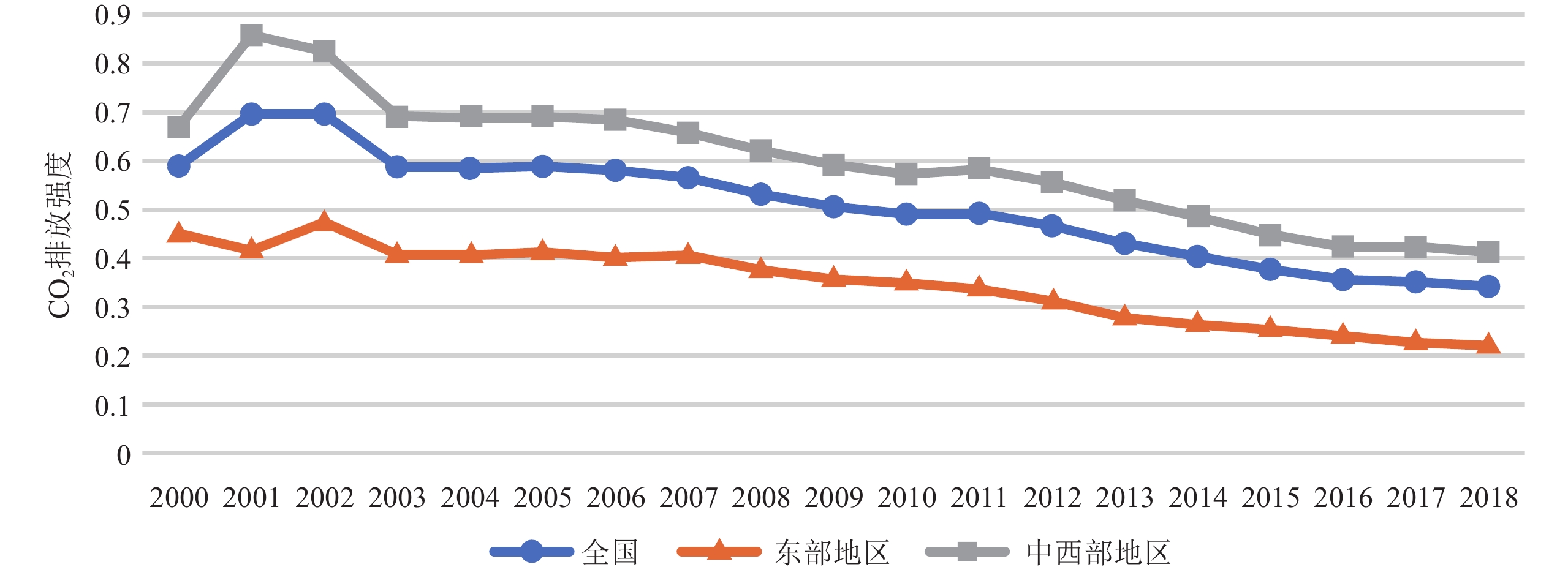
Bonded zones and export processing zones, serving as important platforms for China’s open economy construction, can influence regional CO2 emission intensity while developing foreign trade and attracting foreign investment. Based on panel data from 29 provinces (municipalities and autonomous regions) in China from 2000 to 2018, this paper employs a multi-time point difference-in-differences (DID) method to empirically examine the impact of bonded zones and export processing zones on regional CO2 emission intensity. The findings reveal that, from a national sample perspective, export processing zones fails to effectively reduce regional CO2 emission intensity, while the impact of bonded zones on regional CO2 emission intensity is not significant. Regional heterogeneity tests reveal that export processing zones significantly inhibit CO2 emission intensity in the central and western regions. From a dynamic perspective, export processing zones are not conducive to the reduction of regional CO2 emission intensity, and this adverse effect exhibits a time lag and gradually strengthens over time. Mechanism analysis indicates that export processing zones increase regional CO2 emission intensity by hindering industrial structure upgrading and restraining low-carbon technological innovation.
Bonded zones and export processing zones, serving as important platforms for China’s open economy construction, can influence regional CO2 emission intensity while developing foreign trade and attracting foreign investment. Based on panel data from 29 provinces (municipalities and autonomous regions) in China from 2000 to 2018, this paper employs a multi-time point difference-in-differences (DID) method to empirically examine the impact of bonded zones and export processing zones on regional CO2 emission intensity. The findings reveal that, from a national sample perspective, export processing zones fails to effectively reduce regional CO2 emission intensity, while the impact of bonded zones on regional CO2 emission intensity is not significant. Regional heterogeneity tests reveal that export processing zones significantly inhibit CO2 emission intensity in the central and western regions. From a dynamic perspective, export processing zones are not conducive to the reduction of regional CO2 emission intensity, and this adverse effect exhibits a time lag and gradually strengthens over time. Mechanism analysis indicates that export processing zones increase regional CO2 emission intensity by hindering industrial structure upgrading and restraining low-carbon technological innovation.

 Email alert
 RSS