



Submission & Review
Articles online first have been peer-reviewed and accepted, which are not yet assigned to volumes /issues, but are citable by Digital Object Identifier (DOI).
Display Method:
Display Method:
2026, 40(1): 3-21.
Abstract:
Public data resources serve as fundamental strategic resources for advancing the cultivation of new quality productive forces and promoting high-quality economic and social development. To fully unlock their value potential, it is imperative to establish an accounting institutional system that supports the balance sheet recognition of public data resources. Based on a systematic review of academic literature and policy evolution, this paper analyzes the theoretical challenges in defining accounting entities, recognition, measurement, recording, and reporting when incorporating public data resources into financial statements. The study proposes that, based on the government accounting entities, the definition of assets should be revised and an identification mechanism for public data resources eligible for balance sheet recognition should be introduced. Meanwhile, an accounting measurement framework should be designed to incentivize government accounting entities to explore value realization scenarios, and a framework for accounting recording and reporting should be constructed on the basis of further classification of public data resources. The findings provide valuable insights for advancing the innovation of public data asset accounting system and promoting assetization of public data in China.
Public data resources serve as fundamental strategic resources for advancing the cultivation of new quality productive forces and promoting high-quality economic and social development. To fully unlock their value potential, it is imperative to establish an accounting institutional system that supports the balance sheet recognition of public data resources. Based on a systematic review of academic literature and policy evolution, this paper analyzes the theoretical challenges in defining accounting entities, recognition, measurement, recording, and reporting when incorporating public data resources into financial statements. The study proposes that, based on the government accounting entities, the definition of assets should be revised and an identification mechanism for public data resources eligible for balance sheet recognition should be introduced. Meanwhile, an accounting measurement framework should be designed to incentivize government accounting entities to explore value realization scenarios, and a framework for accounting recording and reporting should be constructed on the basis of further classification of public data resources. The findings provide valuable insights for advancing the innovation of public data asset accounting system and promoting assetization of public data in China.


2026, 40(1): 22-46.
Abstract:
Data asset information disclosure serves as a vital pathway for firms to effectively transmit long-term value signals to the market and cultivate patient capital in the digital economy era. Using a sample of A-share listed companies in Shanghai and Shenzhen stock exchanges from 2012 to 2024, this study empirically finds that corporate data asset information disclosure helps expand the scale of patient capital, a conclusion that remains valid after a series of robustness tests. Mechanism analysis indicates that data asset information disclosure effectively constructs a dual pathway of attracting and retaining patient capital by alleviating information asymmetry, improving governance structures, and enhancing operational efficiency. Heterogeneity analysis reveals that this cultivation effect is more pronounced under conditions of more timely information disclosure, broader dissemination scope, and a more mature market information environment. Economic consequences test confirms that by aggregating patient capital through data asset information disclosure, firms can significantly strengthen their capability for independent innovation, thereby vigorously enhancing new quality productive forces. This study not only unveils the micro-mechanisms of data elements in optimizing the resource allocation of the capital market, but also provides policy implications for firms to build a long-term investment ecosystem and empower the development of new quality productive forces by refining the information disclosure system.
Data asset information disclosure serves as a vital pathway for firms to effectively transmit long-term value signals to the market and cultivate patient capital in the digital economy era. Using a sample of A-share listed companies in Shanghai and Shenzhen stock exchanges from 2012 to 2024, this study empirically finds that corporate data asset information disclosure helps expand the scale of patient capital, a conclusion that remains valid after a series of robustness tests. Mechanism analysis indicates that data asset information disclosure effectively constructs a dual pathway of attracting and retaining patient capital by alleviating information asymmetry, improving governance structures, and enhancing operational efficiency. Heterogeneity analysis reveals that this cultivation effect is more pronounced under conditions of more timely information disclosure, broader dissemination scope, and a more mature market information environment. Economic consequences test confirms that by aggregating patient capital through data asset information disclosure, firms can significantly strengthen their capability for independent innovation, thereby vigorously enhancing new quality productive forces. This study not only unveils the micro-mechanisms of data elements in optimizing the resource allocation of the capital market, but also provides policy implications for firms to build a long-term investment ecosystem and empower the development of new quality productive forces by refining the information disclosure system.
2026, 40(1): 47-70.
Abstract:
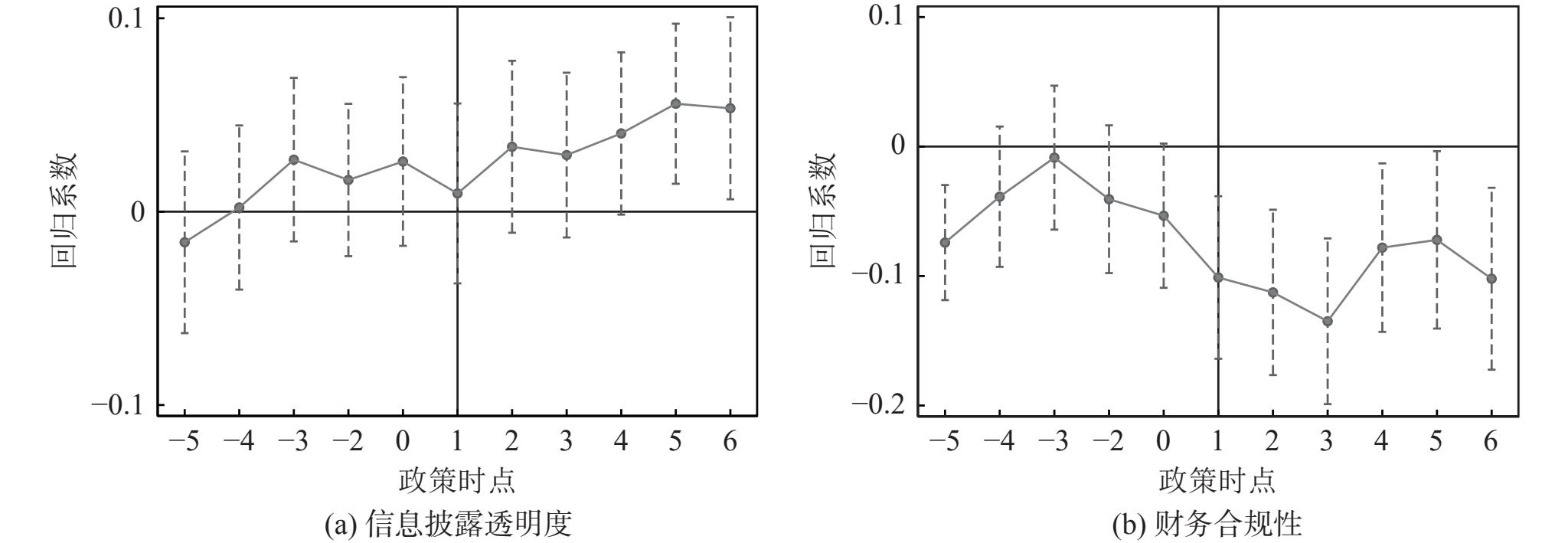
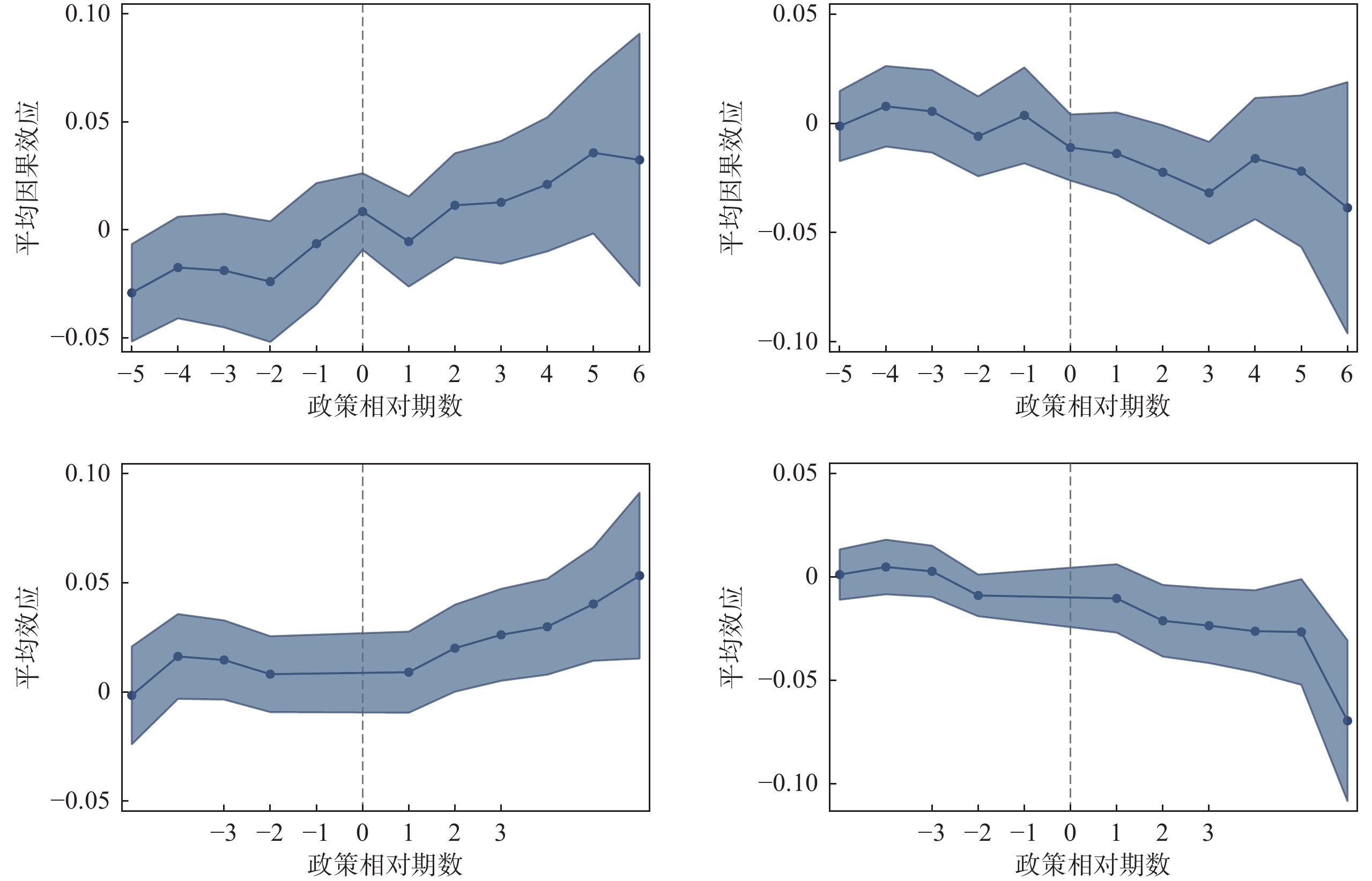
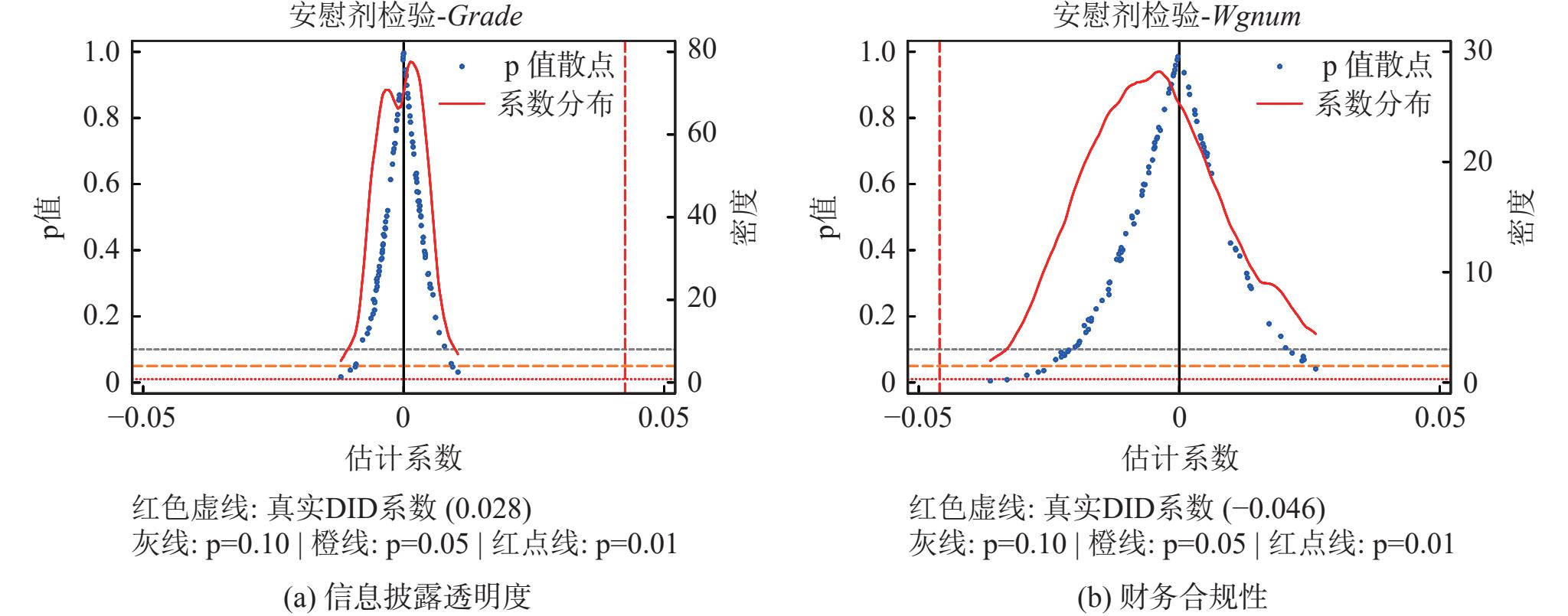
As a core initiative for the marketization of data elements, the establishment of data trading platforms exerts an optimizing effect on the information environment of capital markets, which deserves systematic examination and in-depth analysis. Taking A-share listed companies on the Shenzhen Stock Exchange from 2007 to 2022 as research samples, this paper investigates the impacts of the launch of data trading platforms on corporate information disclosure quality. The results show that the establishment of data trading platforms significantly improves corporate information disclosure quality, and this conclusion remains valid after a battery of robustness tests. Heterogeneity tests reveal a substitution effect between data trading platforms and high-quality external auditing as well as analyst coverage from the perspective of external supervision, and the governance effect is more pronounced for firms audited by non-Big Four accounting firms and firms with low analyst coverage. From the perspective of proprietary costs of information disclosure, the governance effect of data trading platforms is concentrated in firms with fierce market competition and high R&D intensity. In terms of corporate intrinsic attributes, data trading platforms deliver a more prominent improvement in information disclosure quality for firms with weak digital foundations. The economic consequence test demonstrates that data trading platforms can improve corporate information disclosure quality, optimize corporate information environment, alleviate corporate financing constraints, and further boost the quantity and quality of corporate technological innovation, thereby promoting high-quality development of enterprises. This research not only identifies the heterogeneous boundary conditions for the impact of data trading platforms on corporate information disclosure quality, but also verifies their positive functions in optimizing capital market ecology and empowering internal corporate governance. It also provides empirical evidence and policy implications for the coordinated advancement of data element market construction and high-quality development of capital markets in China.
As a core initiative for the marketization of data elements, the establishment of data trading platforms exerts an optimizing effect on the information environment of capital markets, which deserves systematic examination and in-depth analysis. Taking A-share listed companies on the Shenzhen Stock Exchange from 2007 to 2022 as research samples, this paper investigates the impacts of the launch of data trading platforms on corporate information disclosure quality. The results show that the establishment of data trading platforms significantly improves corporate information disclosure quality, and this conclusion remains valid after a battery of robustness tests. Heterogeneity tests reveal a substitution effect between data trading platforms and high-quality external auditing as well as analyst coverage from the perspective of external supervision, and the governance effect is more pronounced for firms audited by non-Big Four accounting firms and firms with low analyst coverage. From the perspective of proprietary costs of information disclosure, the governance effect of data trading platforms is concentrated in firms with fierce market competition and high R&D intensity. In terms of corporate intrinsic attributes, data trading platforms deliver a more prominent improvement in information disclosure quality for firms with weak digital foundations. The economic consequence test demonstrates that data trading platforms can improve corporate information disclosure quality, optimize corporate information environment, alleviate corporate financing constraints, and further boost the quantity and quality of corporate technological innovation, thereby promoting high-quality development of enterprises. This research not only identifies the heterogeneous boundary conditions for the impact of data trading platforms on corporate information disclosure quality, but also verifies their positive functions in optimizing capital market ecology and empowering internal corporate governance. It also provides empirical evidence and policy implications for the coordinated advancement of data element market construction and high-quality development of capital markets in China.

2026, 40(1): 71-91.
Abstract:
Policy arrangements exert profound impacts on corporate earnings performance and long-term development, and policy information serves as a vital reference for analysts when conducting earnings forecasts. Using a sample of A-share listed firms on the Shanghai and Shenzhen Stock Exchanges from 2007 to 2023, this paper constructs a corporate policy information disclosure index based on the BERT large language model, and investigates the impact of corporate policy information disclosure on analysts’ earnings forecast bias as well as its underlying mechanisms. The results show that corporate policy information disclosure significantly reduces analysts’ earnings forecast bias, and this conclusion remains robust after a battery of robustness tests and endogeneity treatments. Mechanism tests indicate that expanding the supply of incremental information and reducing earnings uncertainty are two core channels through which the above inhibitory effect works. Heterogeneity analyses reveal that the mitigating effect of policy information disclosure on forecast bias is more pronounced for firms where analysts face higher barriers to obtaining proprietary information, firms with higher business complexity, and firms with negative annual report tone. In addition, policy information disclosure by peer firms also curbs analysts’ earnings forecast bias, implying a significant industry spillover effect. This study provides empirical evidence for revealing the value effect of corporate policy information disclosure.
Policy arrangements exert profound impacts on corporate earnings performance and long-term development, and policy information serves as a vital reference for analysts when conducting earnings forecasts. Using a sample of A-share listed firms on the Shanghai and Shenzhen Stock Exchanges from 2007 to 2023, this paper constructs a corporate policy information disclosure index based on the BERT large language model, and investigates the impact of corporate policy information disclosure on analysts’ earnings forecast bias as well as its underlying mechanisms. The results show that corporate policy information disclosure significantly reduces analysts’ earnings forecast bias, and this conclusion remains robust after a battery of robustness tests and endogeneity treatments. Mechanism tests indicate that expanding the supply of incremental information and reducing earnings uncertainty are two core channels through which the above inhibitory effect works. Heterogeneity analyses reveal that the mitigating effect of policy information disclosure on forecast bias is more pronounced for firms where analysts face higher barriers to obtaining proprietary information, firms with higher business complexity, and firms with negative annual report tone. In addition, policy information disclosure by peer firms also curbs analysts’ earnings forecast bias, implying a significant industry spillover effect. This study provides empirical evidence for revealing the value effect of corporate policy information disclosure.
2026, 40(1): 92-114.
Abstract:
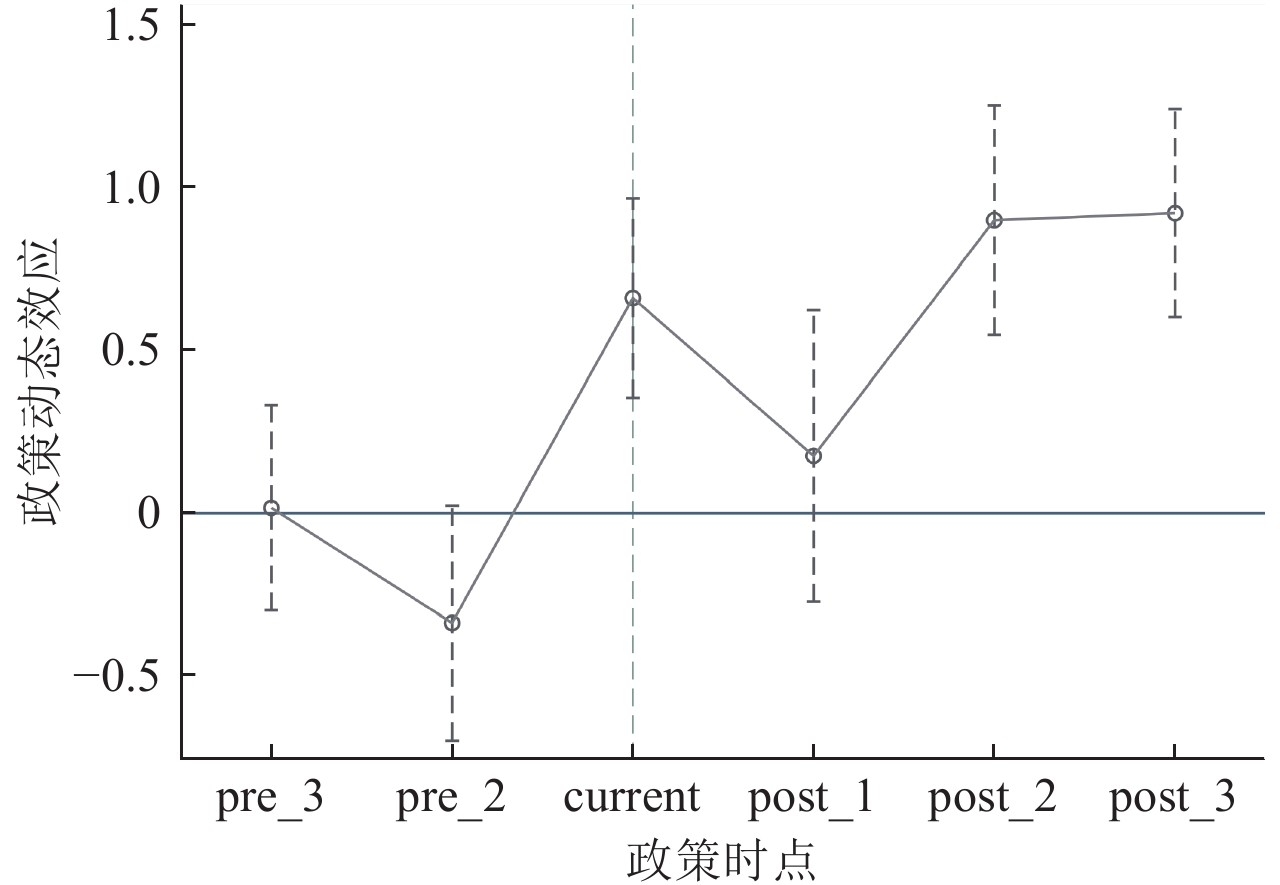
Effectively preventing and resolving major risks has become an important issue that urgently needs to be addressed by both theoretical and practical circles. From the perspective of creditor governance, this paper takes the implementation of relevant policies on China’s creditors’ committee as a quasi-natural experiment. Using A-share listed companies from 2001 to 2022 as research samples, it constructs a difference-in-differences model with debt restructuring and debt scale as grouping variables, and empirically examines the governance effect and mechanism of the creditors’ committee system on corporate credit risk. The study finds that the creditors’ committee system can significantly reduce corporate credit risk, and the conclusion still holds after a series of robustness tests. Further research finds that the creditors’ committee system exerts its governance effect on corporate credit risk through two channels: alleviating financing constraints and reducing agency costs; the inhibitory effect of the creditors’ committee system on corporate credit risk is more significant in enterprises with lower information disclosure quality and no bank-enterprise connections. This paper examines the net effect of creditor protection on corporate credit risk, expands and deepens the relevant research on the creditor governance effect of the creditors’ committee system, and has certain reference value for evaluating the implementation effect of laws and improving relevant laws and regulations.
Effectively preventing and resolving major risks has become an important issue that urgently needs to be addressed by both theoretical and practical circles. From the perspective of creditor governance, this paper takes the implementation of relevant policies on China’s creditors’ committee as a quasi-natural experiment. Using A-share listed companies from 2001 to 2022 as research samples, it constructs a difference-in-differences model with debt restructuring and debt scale as grouping variables, and empirically examines the governance effect and mechanism of the creditors’ committee system on corporate credit risk. The study finds that the creditors’ committee system can significantly reduce corporate credit risk, and the conclusion still holds after a series of robustness tests. Further research finds that the creditors’ committee system exerts its governance effect on corporate credit risk through two channels: alleviating financing constraints and reducing agency costs; the inhibitory effect of the creditors’ committee system on corporate credit risk is more significant in enterprises with lower information disclosure quality and no bank-enterprise connections. This paper examines the net effect of creditor protection on corporate credit risk, expands and deepens the relevant research on the creditor governance effect of the creditors’ committee system, and has certain reference value for evaluating the implementation effect of laws and improving relevant laws and regulations.



2026, 40(1): 115-135.
Abstract:
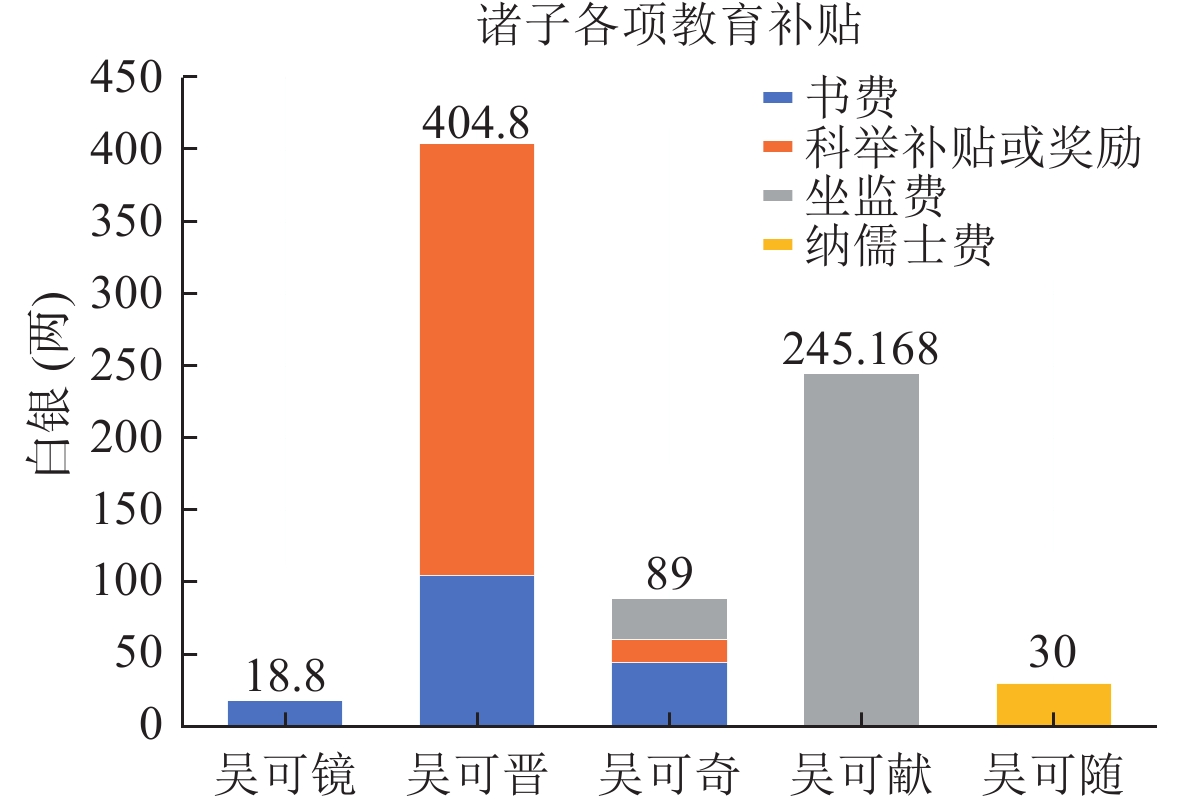
During the Ming and Qing dynasties, many merchant families not only pursued commercial success but also emphasized Confucian education for their descendants, gradually evolving into Confucian merchant families. The formation mechanisms of such families warrant attention. The education-related records preserved in the Wanli Income and Expenditure Ledger of the Wu Wenkui household, a Huizhou merchant in the Ming dynasty provide valuable historical material for examining this issue. The study finds that the Wu Wenkui household did not simply treat educational expenses for descendants as daily costs. Instead, through dedicated allocations, interest accruals, and balance rollovers, they incorporated educational funds into the family’s capital cycle, transformed them into sustainable and accumulative educational capital, and formed a sustained operating mechanism of “account-returns-allowance-rollover”, reflecting the capitalization of educational funds. The distribution of educational resources was not evenly applied but was closely linked to the academic abilities, examination prospects, and family roles, thereby facilitating the internal division between scholarly and commercial pursuits and the allocation of resources, and creating a mutually supportive relationship between commerce and scholarship. Compared with educational support arrangements such as lineage school lands and literary association lands, the Wu family case more clearly reveals how merchant households utilized accounting records and financial management to plan educational investments, reflecting the accounting logic through which Ming Dynasty Huizhou merchants integrated commercial returns, educational investment, and family governance. This case not only helps to explain the formation process of Confucian merchant families, but also provides a micro-level perspective for research on modern family governance and succession, rational elements in Confucian ethics, and comparative studies of accounting practices in Chinese and Western merchant households during the same period.
During the Ming and Qing dynasties, many merchant families not only pursued commercial success but also emphasized Confucian education for their descendants, gradually evolving into Confucian merchant families. The formation mechanisms of such families warrant attention. The education-related records preserved in the Wanli Income and Expenditure Ledger of the Wu Wenkui household, a Huizhou merchant in the Ming dynasty provide valuable historical material for examining this issue. The study finds that the Wu Wenkui household did not simply treat educational expenses for descendants as daily costs. Instead, through dedicated allocations, interest accruals, and balance rollovers, they incorporated educational funds into the family’s capital cycle, transformed them into sustainable and accumulative educational capital, and formed a sustained operating mechanism of “account-returns-allowance-rollover”, reflecting the capitalization of educational funds. The distribution of educational resources was not evenly applied but was closely linked to the academic abilities, examination prospects, and family roles, thereby facilitating the internal division between scholarly and commercial pursuits and the allocation of resources, and creating a mutually supportive relationship between commerce and scholarship. Compared with educational support arrangements such as lineage school lands and literary association lands, the Wu family case more clearly reveals how merchant households utilized accounting records and financial management to plan educational investments, reflecting the accounting logic through which Ming Dynasty Huizhou merchants integrated commercial returns, educational investment, and family governance. This case not only helps to explain the formation process of Confucian merchant families, but also provides a micro-level perspective for research on modern family governance and succession, rational elements in Confucian ethics, and comparative studies of accounting practices in Chinese and Western merchant households during the same period.

2026, 40(1): 136-159.
Abstract:
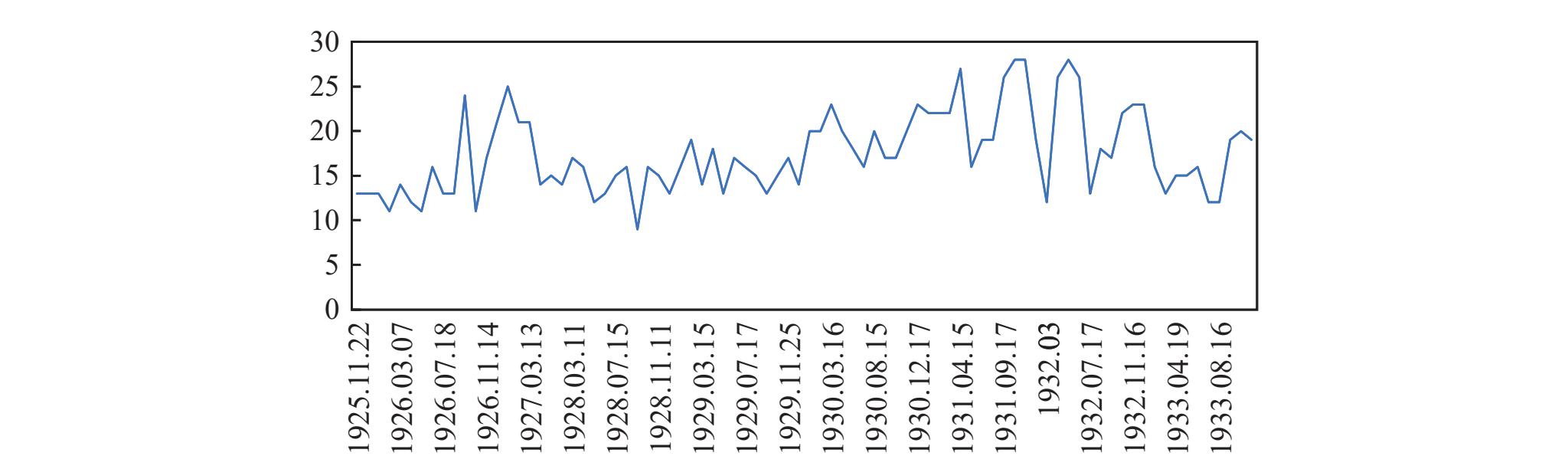
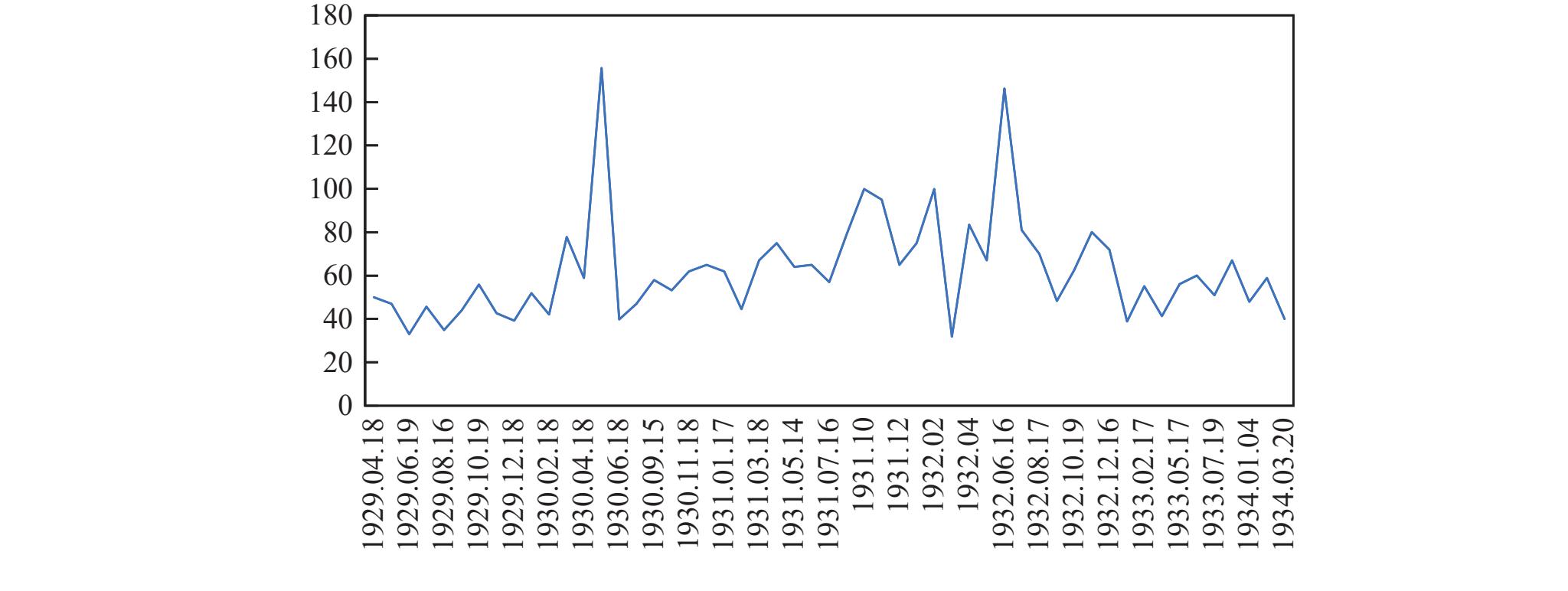
The transition from individual practice to professionalization and collectivization marks a key thread in the early development of the certified public accountant profession. As a notable carrier in this process, the Shanghai accountants’ dinner club was a peer exchange organization formed by Shanghai accountants based on their social networks. Operating under its own rules, the club aimed to build camaraderie, facilitate knowledge exchange, and promote academic inquiry, thus strengthening professional consensus and business development. Although loosely organized, it provided a social space for practitioners to shift from fragmented practices toward a sense of professional community. Monthly dinners brought accountants closer together, offering a platform to shape a community of shared professional interests. From 1925 to 1934, the average number of participants rose from 16 to 18, and the payment model shifted from a rotating treat system (two hosts each time) to equal-share AA payment, reflecting the club’s evolution from private interactions dominated by a few accountants to a public mechanism of collective responsibility. The study reveals that, as an integral component of the Shanghai Institute of Accountants, the dinner club utilized a normalized social mechanism to coalesce individually practicing accountants into a professional community characterized by shared professional identity and common interests, thereby playing a crucial role as a nexus in strengthening ties and facilitating knowledge sharing.
The transition from individual practice to professionalization and collectivization marks a key thread in the early development of the certified public accountant profession. As a notable carrier in this process, the Shanghai accountants’ dinner club was a peer exchange organization formed by Shanghai accountants based on their social networks. Operating under its own rules, the club aimed to build camaraderie, facilitate knowledge exchange, and promote academic inquiry, thus strengthening professional consensus and business development. Although loosely organized, it provided a social space for practitioners to shift from fragmented practices toward a sense of professional community. Monthly dinners brought accountants closer together, offering a platform to shape a community of shared professional interests. From 1925 to 1934, the average number of participants rose from 16 to 18, and the payment model shifted from a rotating treat system (two hosts each time) to equal-share AA payment, reflecting the club’s evolution from private interactions dominated by a few accountants to a public mechanism of collective responsibility. The study reveals that, as an integral component of the Shanghai Institute of Accountants, the dinner club utilized a normalized social mechanism to coalesce individually practicing accountants into a professional community characterized by shared professional identity and common interests, thereby playing a crucial role as a nexus in strengthening ties and facilitating knowledge sharing.




 Email alert
 RSS