Host: 上海立信会计金融学院

  • ISSN 2096-9554
  • CN 31-2074/F
Volume 40 Issue 1
Feb.  2026
Turn off MathJax
Article Contents
Yu Mei. 2026. From Lone Pioneers to a Professional Association: The Shanghai Accountants’ Dinner Club and the Cultivation of Professional Community (1925-1934). Accounting and Economic Research, 40(1): 136-159.
Citation: Yu Mei. 2026. From Lone Pioneers to a Professional Association: The Shanghai Accountants’ Dinner Club and the Cultivation of Professional Community (1925-1934). Accounting and Economic Research, 40(1): 136-159.

From Lone Pioneers to a Professional Association: The Shanghai Accountants’ Dinner Club and the Cultivation of Professional Community (1925-1934)

  • Received Date: 2025-04-01
    Available Online: 2026-09-30
  • Publish Date: 2026-02-20
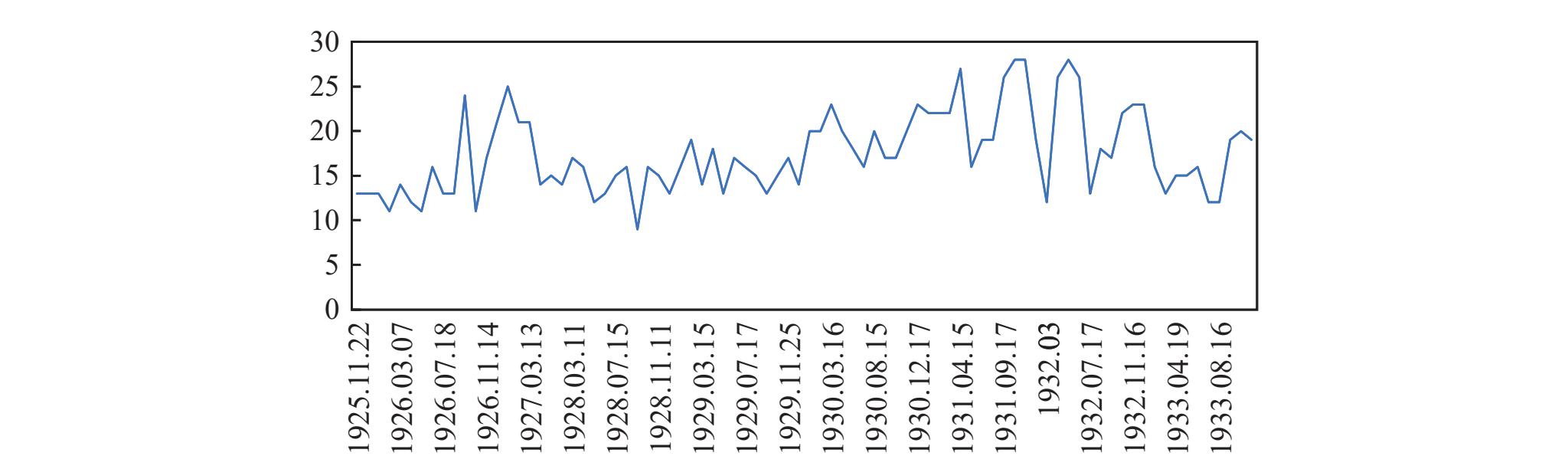
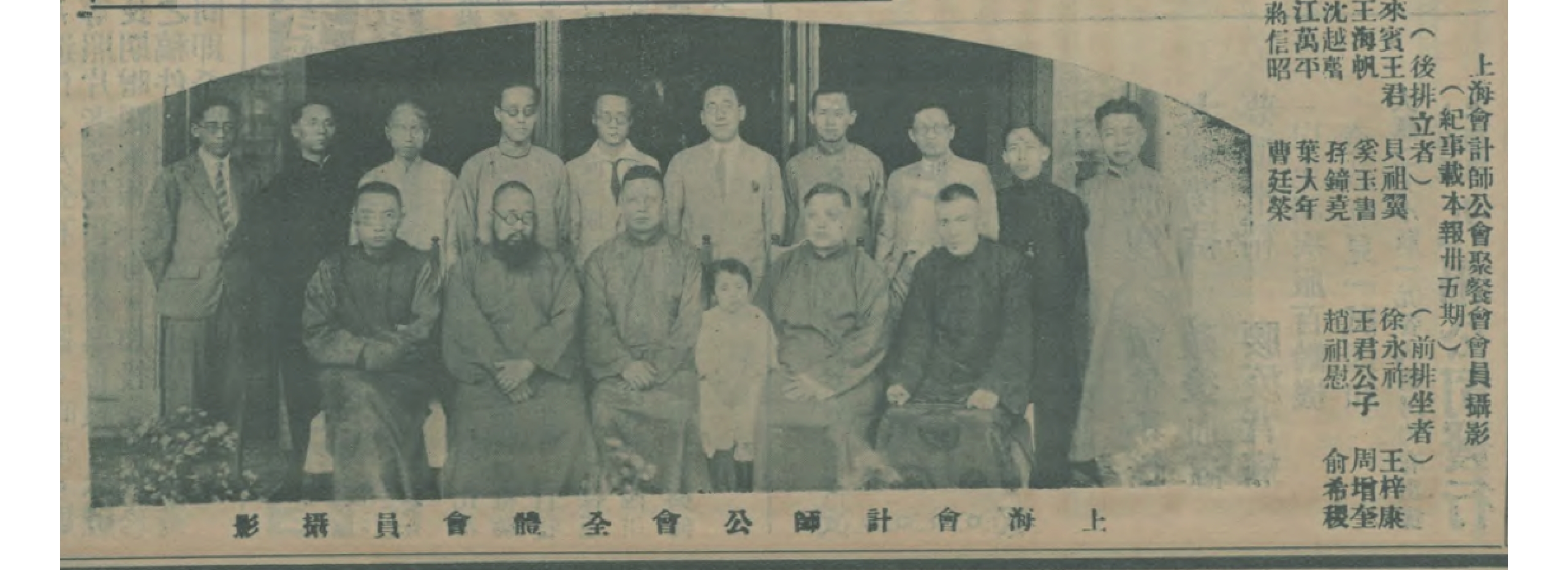
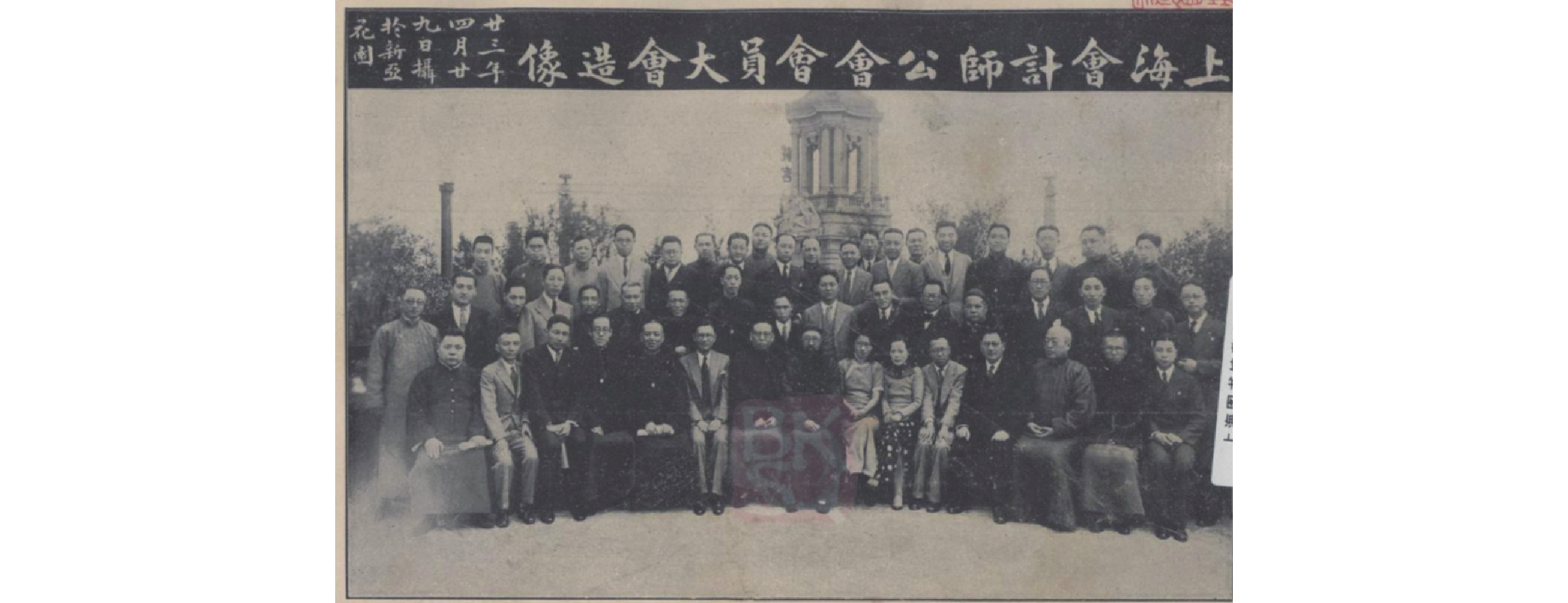
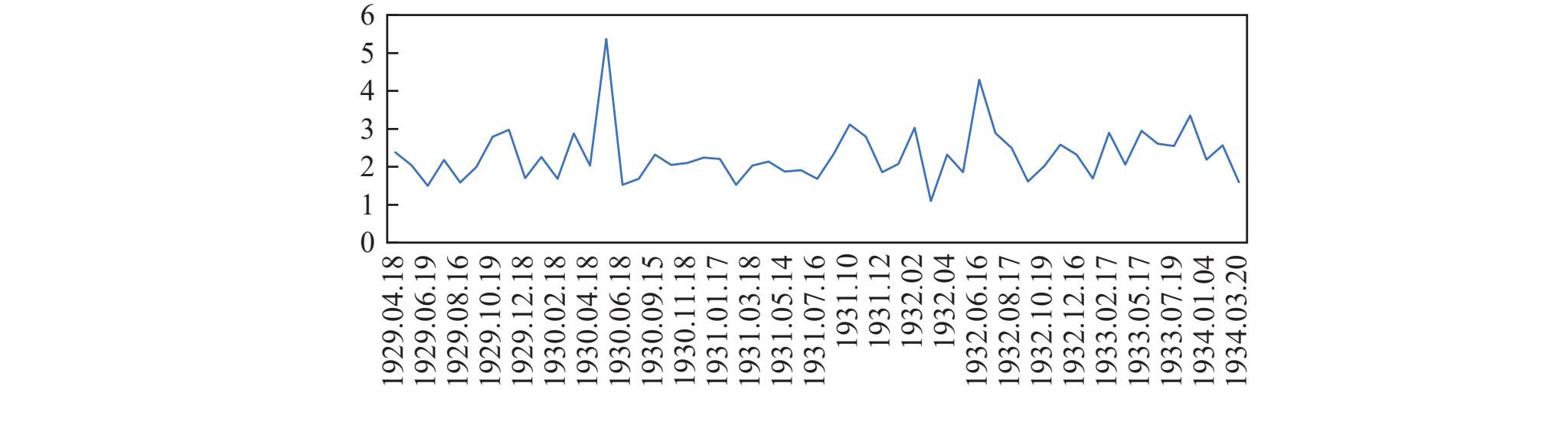
  • The transition from individual practice to professionalization and collectivization marks a key thread in the early development of the certified public accountant profession. As a notable carrier in this process, the Shanghai accountants’ dinner club was a peer exchange organization formed by Shanghai accountants based on their social networks. Operating under its own rules, the club aimed to build camaraderie, facilitate knowledge exchange, and promote academic inquiry, thus strengthening professional consensus and business development. Although loosely organized, it provided a social space for practitioners to shift from fragmented practices toward a sense of professional community. Monthly dinners brought accountants closer together, offering a platform to shape a community of shared professional interests. From 1925 to 1934, the average number of participants rose from 16 to 18, and the payment model shifted from a rotating treat system (two hosts each time) to equal-share AA payment, reflecting the club’s evolution from private interactions dominated by a few accountants to a public mechanism of collective responsibility. The study reveals that, as an integral component of the Shanghai Institute of Accountants, the dinner club utilized a normalized social mechanism to coalesce individually practicing accountants into a professional community characterized by shared professional identity and common interests, thereby playing a crucial role as a nexus in strengthening ties and facilitating knowledge sharing.


  • loading
  • [1]
    郭道扬. 2023. 中国会计通史(第10册): 中华民国(下). 北京: 中国财政经济出版社.
    [2]
    江文君. 2020. 国家构建、公共参与和自由职业团体: 以上海会计师公会为例(1925−1949). 史林 (5): 144−155.
    [3]
    李相森. 2021. 民国时期徐永祚会计师对审计的贡献. 中国注册会计师 (5): 123−126.
    [4]
    林美莉. 2006. 专业与政治: 上海会计师公会与国民政府的互动(1927−1931). 朱荫贵, 戴鞍钢. 近代中国: 经济与社会研究. 上海: 复旦大学出版社.
    [5]
    刘肖琴. 2021. 新月聚餐会、新月社俱乐部相关史实考. 现代中国文化与文学 (1): 171−197.
    [6]
    任晓春, 闫飞飞. 2022. 中国行业协会治理转型的困境及对策——基于“结构−关系−行动”的视角. 北京社会科学 (12): 92−101. doi: 10.13262/j.bjsshkxy.bjshkx.221210
    [7]
    宋雅仙. 2008. 潘序伦与近代会计师专业的演进. 武汉: 华中师范大学.
    [8]
    魏文享. 2006. 近代上海职业会计师群体的兴起——以上海会计师公会为中心. 江苏社会科学 (4): 198−205.
    [9]
    徐小群. 2007. 民国时期的国家与社会: 自由职业团体在上海的兴起, 1912−1937. 北京: 新星出版社.
    [10]
    喻梅. 2011. 南京国民政府时期会计师入行资格变迁研究——以监管思想和职业化思想的互动为视角. 贵州财经学院学报 (2): 18−23.
    [11]
    喻梅. 2015. 民国时期中国注册会计师入行资格变迁研究——基于国家与社会动态共生视角. 中国注册会计师 (2): 117−123.
    [12]
    喻梅. 2016. 中国注册会计师制度思想与制度变迁研究: 1918−1949. 北京: 中国社会科学出版社.
    [13]
    张守广. 2007. 20世纪30−40年代的实业界星五聚餐会. 近代史研究 (4): 143−146. doi: 10.3969/j.issn.1001-6708.2007.04.008
    [14]
    Hansen, M. T. 1999. The search-transfer problem: The role of weak ties in sharing knowledge across organization subunits. Administrative Science Quarterly 44(1): 82−111. doi: 10.2307/2667032

Catalog

    通讯作者: 陈斌, bchen63@163.com
    • 1. 

      沈阳化工大学材料科学与工程学院 沈阳 110142

    1. 本站搜索
    2. 百度学术搜索
    3. 万方数据库搜索
    4. CNKI搜索

    Figures(5)  / Tables(5)

    Article views (7) PDF downloads(1) Cited by()
    Proportional views
    Related
    Link 

    /

    DownLoad:  Full-Size Img  PowerPoint
    Return
    Return