


2024 Vol. 38, No. 5
Display Method:
2024, 38(5): 3-24.
Abstract:
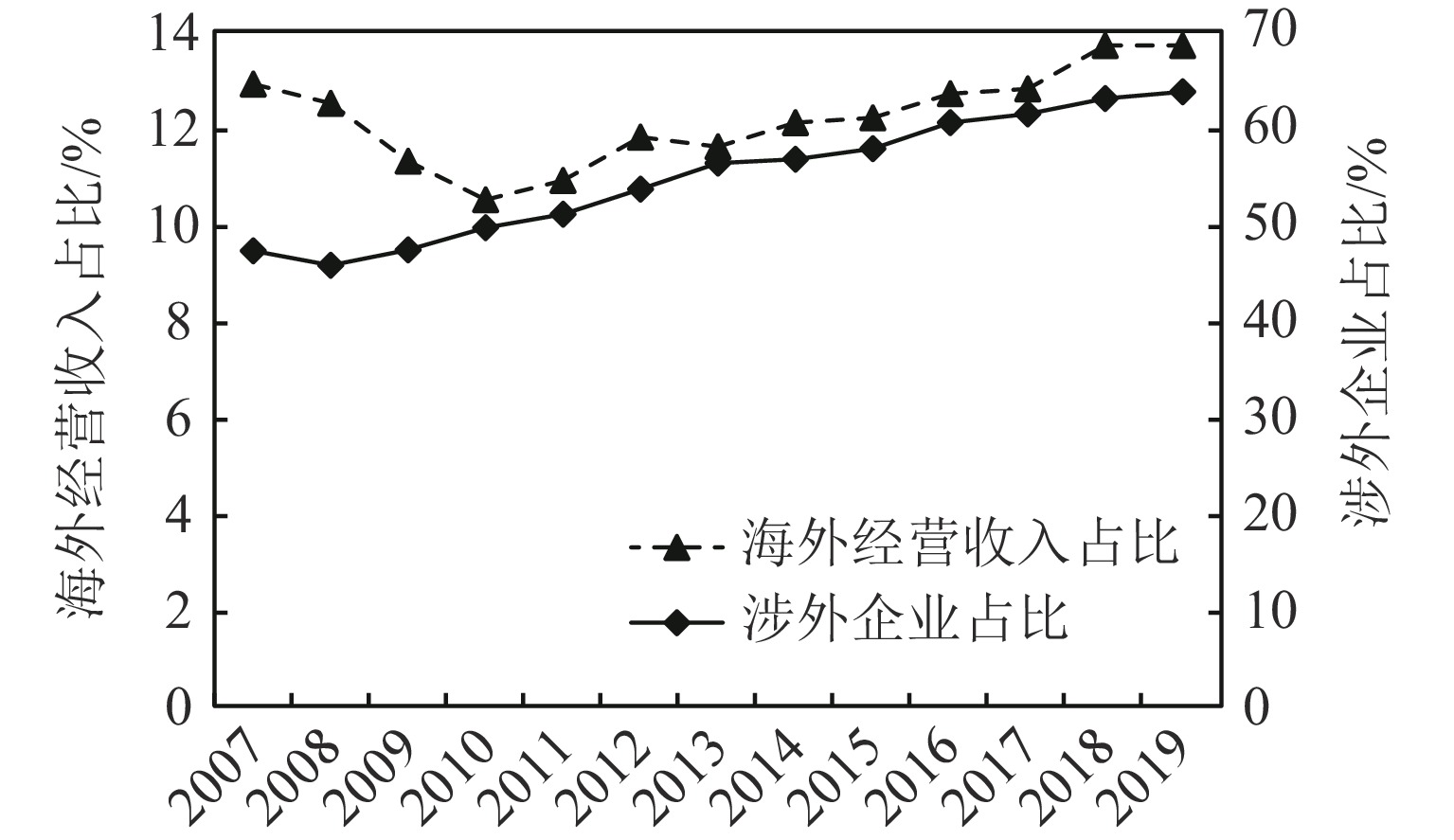
The “Going Global” strategy is a key initiative for developing a high-level export-oriented economy. In recent years, an increasing number of Chinese firms have expanded their operations overseas, which correspondingly raises the difficulty of financial supervision. From the perspective of audit risk, we examine the impact of firms’ “Going Global” on audit fees using a sample of Chinese A-share listed firms from 2007 to 2019. The results show that: (1) “Going Global” increases audit risks, leading auditors to charge higher fees. (2) The lower the information transparency of the host country, the more pronounced the effect of “Going Global” on audit fees. (3) The weaker the firms’ internal, the more pronounced the above effect. (4) Although “Going Global” does not significantly increase the likelihood of receiving a modified audit opinion, it leads to greater auditor effort and improves post-audit accounting information quality. These findings contribute to a deeper understanding of the economic consequences of firms’ “Going Global” and provide valuable insights for regulatory policy.
The “Going Global” strategy is a key initiative for developing a high-level export-oriented economy. In recent years, an increasing number of Chinese firms have expanded their operations overseas, which correspondingly raises the difficulty of financial supervision. From the perspective of audit risk, we examine the impact of firms’ “Going Global” on audit fees using a sample of Chinese A-share listed firms from 2007 to 2019. The results show that: (1) “Going Global” increases audit risks, leading auditors to charge higher fees. (2) The lower the information transparency of the host country, the more pronounced the effect of “Going Global” on audit fees. (3) The weaker the firms’ internal, the more pronounced the above effect. (4) Although “Going Global” does not significantly increase the likelihood of receiving a modified audit opinion, it leads to greater auditor effort and improves post-audit accounting information quality. These findings contribute to a deeper understanding of the economic consequences of firms’ “Going Global” and provide valuable insights for regulatory policy.

2024, 38(5): 25-43.
Abstract:
Whether audit robots can replace auditors lines in whether they possess professional auditing judgment. Professional audit judgment refers to the abilities of knowing things and understanding people when auditors perform review and supervision activities to re-verify corporate financial reports. Auditor consciousness possesses both individual intentionality and collective intentionality, which endows them with the capacity for knowing things and understanding people. Drawing on the conceptual frameworks of thought experiments in artificial intelligence, such as the Turing Test, the Chinese Room Argument Test, and the Total Turing Test, this paper proposes a three-tier and five-level intelligence criterion for discerning the intelligence of audit robots. The first tier is functional intelligence (level 1). The second tier encompasses formal intelligence (level 2), content intelligence (level 3), and value intelligence (level 4). The third tier is empathic intelligence (level 5). This paper not only addresses the issue of intelligence discernment of audit robots, but also provides theoretical support for human-machine-object collaboration in the field of auditing.
Whether audit robots can replace auditors lines in whether they possess professional auditing judgment. Professional audit judgment refers to the abilities of knowing things and understanding people when auditors perform review and supervision activities to re-verify corporate financial reports. Auditor consciousness possesses both individual intentionality and collective intentionality, which endows them with the capacity for knowing things and understanding people. Drawing on the conceptual frameworks of thought experiments in artificial intelligence, such as the Turing Test, the Chinese Room Argument Test, and the Total Turing Test, this paper proposes a three-tier and five-level intelligence criterion for discerning the intelligence of audit robots. The first tier is functional intelligence (level 1). The second tier encompasses formal intelligence (level 2), content intelligence (level 3), and value intelligence (level 4). The third tier is empathic intelligence (level 5). This paper not only addresses the issue of intelligence discernment of audit robots, but also provides theoretical support for human-machine-object collaboration in the field of auditing.

2024, 38(5): 44-62.
Abstract:
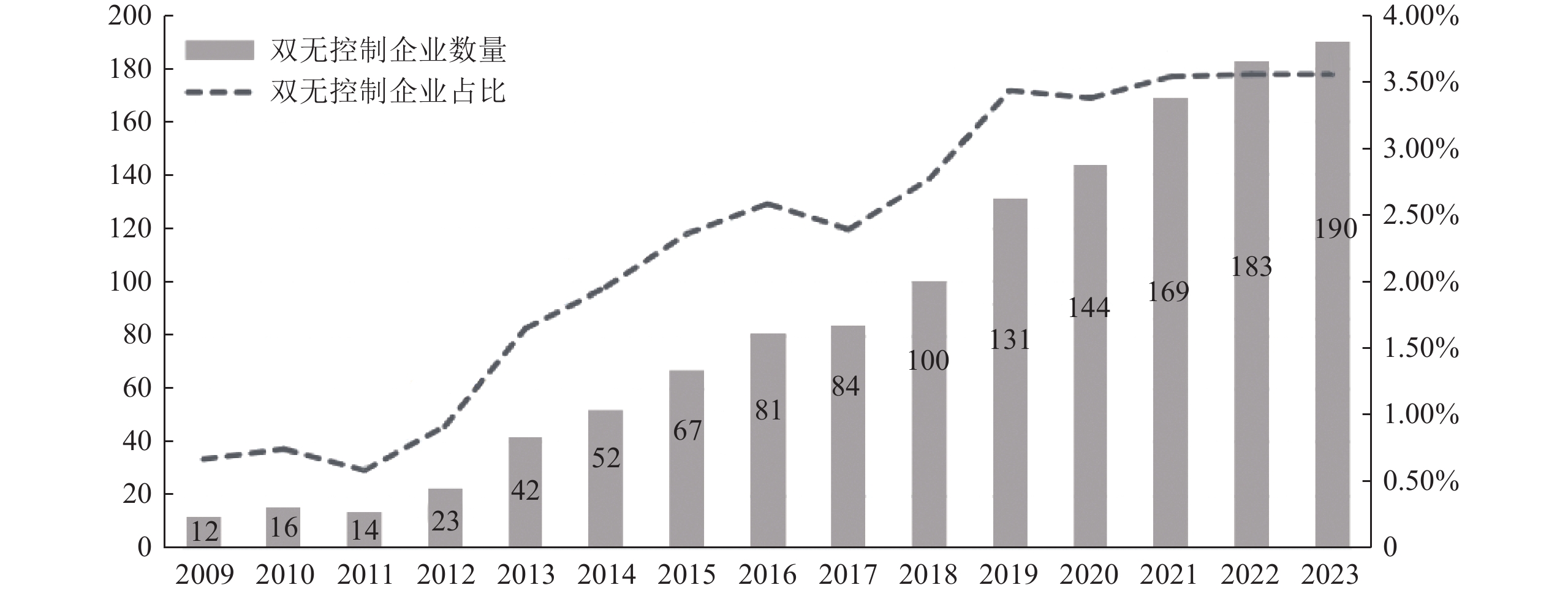
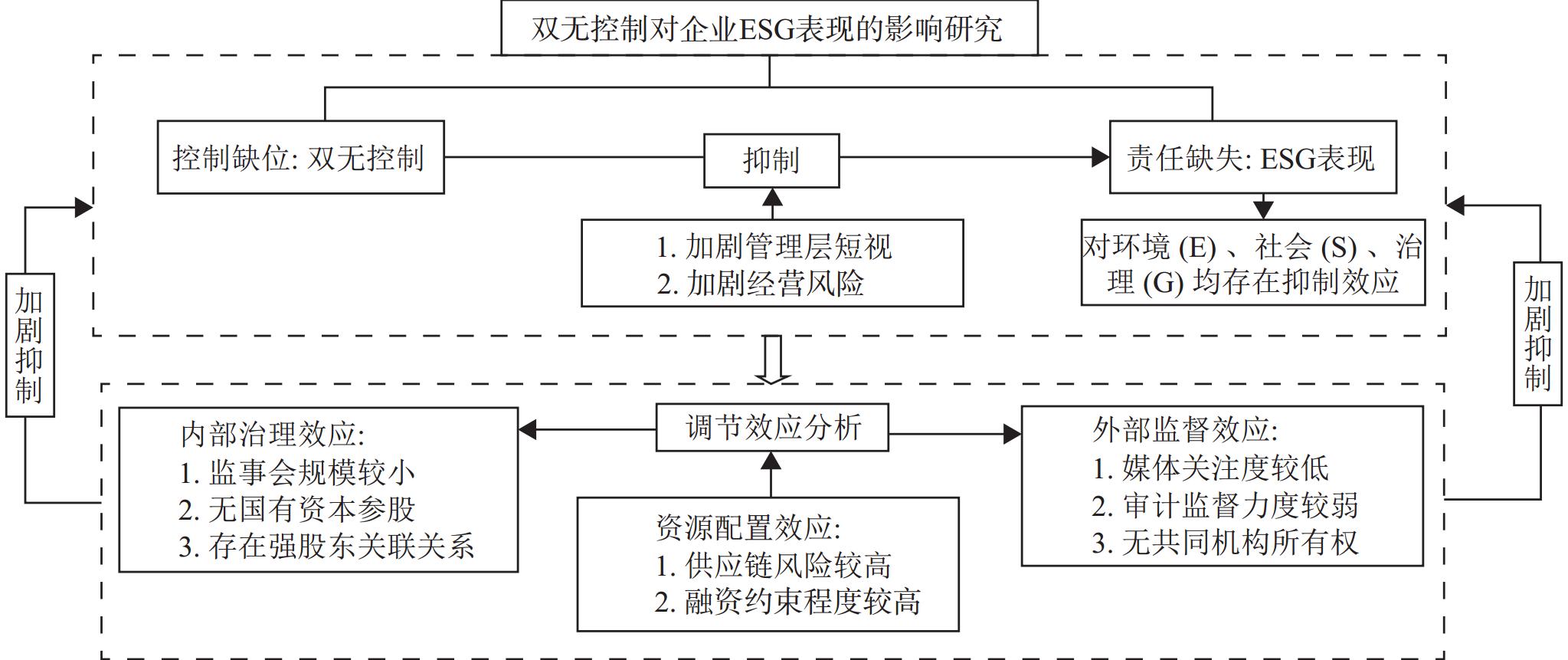
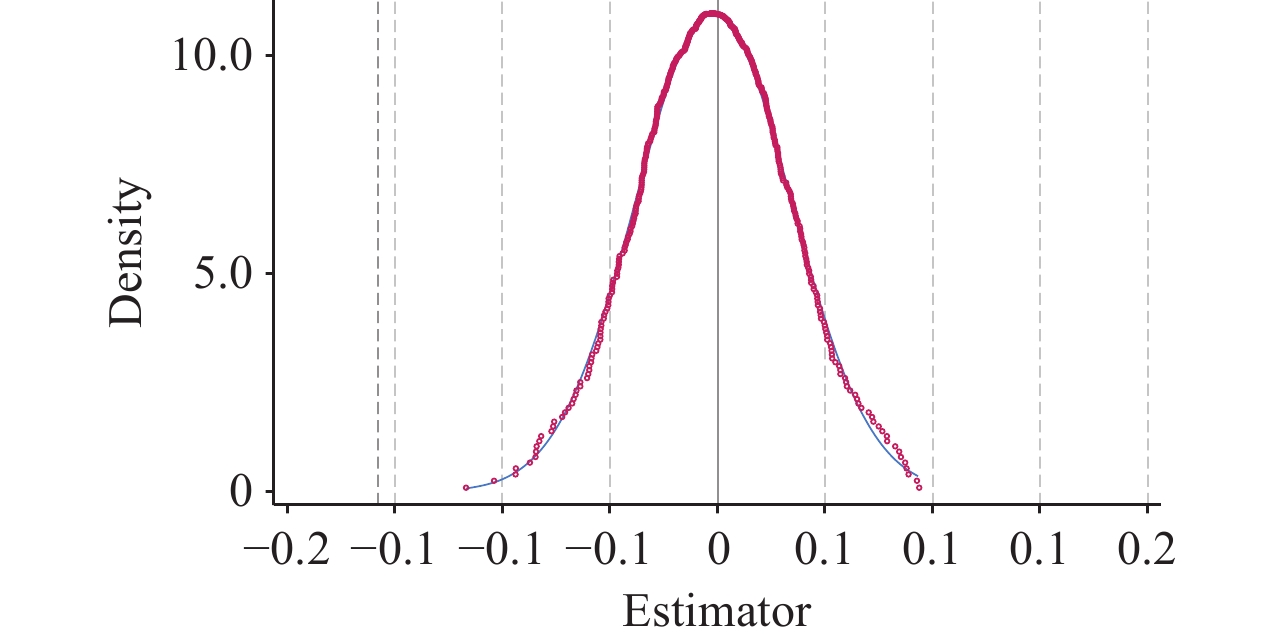
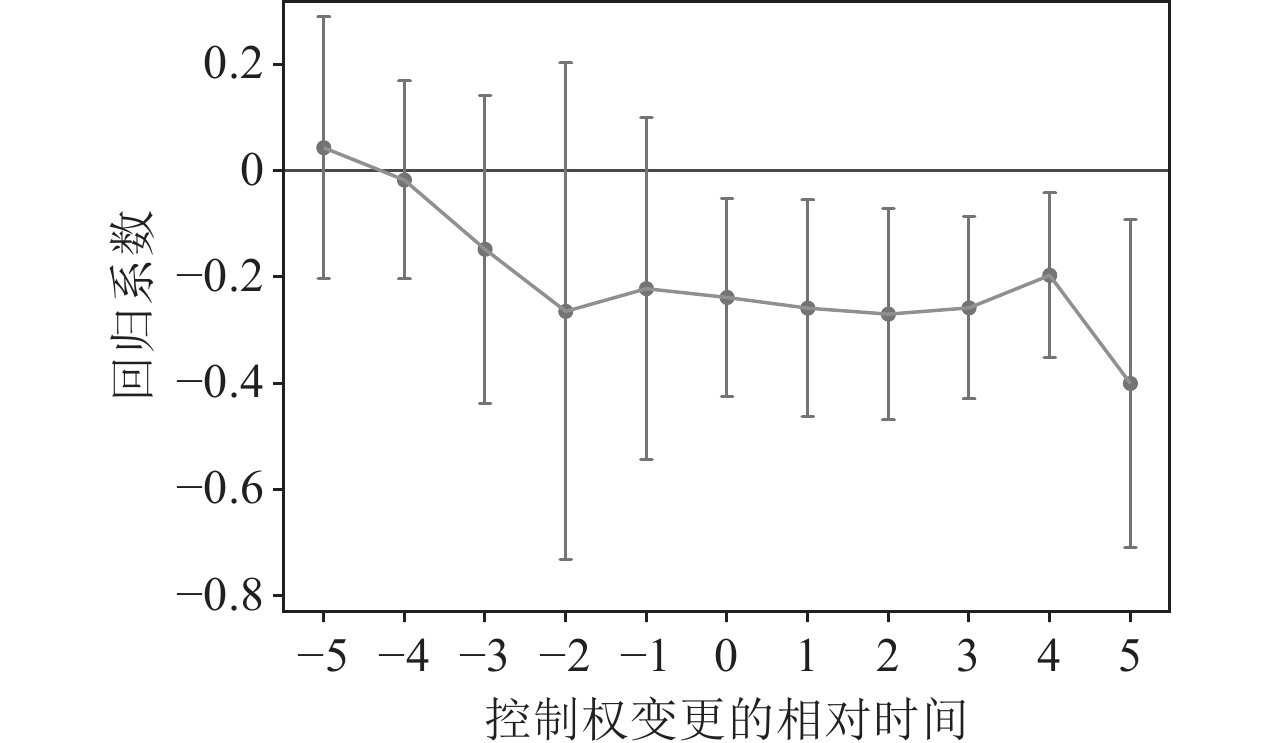
Dual-no control has attracted significant attention due to divergent perspectives on its governance effects, making it particularly important to examine the economic consequences arising from this governance model. This study selects A-share listed companies on the Shanghai and Shenzhen stock exchanges from 2009 to 2023 as the sample and employs the PSM-DID method to investigate the impact of dual-no control on corporate ESG performance. The findings reveal that dual-no control exerts a significant inhibitory effect on corporate ESG performance, with suppressive effects observed across all three dimensions: environmental, social, and governance. Management myopia and operational risk play partial mediating roles. Moderating effect analysis indicates that internal governance levels, external oversight intensity, and resource allocation efficiency moderate the inhibitory effect. The study provides a theoretical basis for understanding how to promote the healthy development of corporate ESG practices and optimize internal governance structures, as well as policy insights for external regulatory agencies to strengthen supervision and improve relevant laws and regulations, thereby supporting enterprise sustainable development.
Dual-no control has attracted significant attention due to divergent perspectives on its governance effects, making it particularly important to examine the economic consequences arising from this governance model. This study selects A-share listed companies on the Shanghai and Shenzhen stock exchanges from 2009 to 2023 as the sample and employs the PSM-DID method to investigate the impact of dual-no control on corporate ESG performance. The findings reveal that dual-no control exerts a significant inhibitory effect on corporate ESG performance, with suppressive effects observed across all three dimensions: environmental, social, and governance. Management myopia and operational risk play partial mediating roles. Moderating effect analysis indicates that internal governance levels, external oversight intensity, and resource allocation efficiency moderate the inhibitory effect. The study provides a theoretical basis for understanding how to promote the healthy development of corporate ESG practices and optimize internal governance structures, as well as policy insights for external regulatory agencies to strengthen supervision and improve relevant laws and regulations, thereby supporting enterprise sustainable development.
2024, 38(5): 63-84.
Abstract:
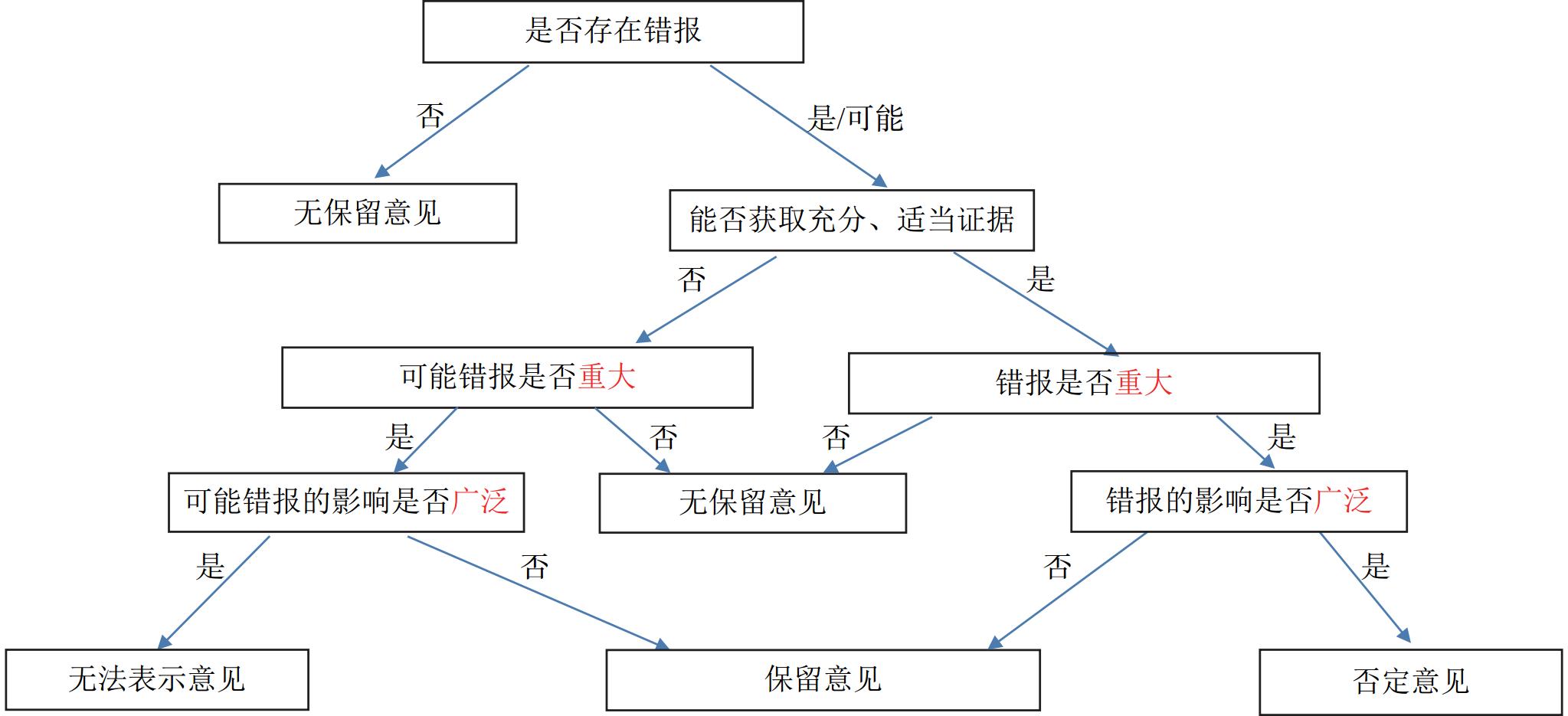
Adverse audit reports are relatively rare in practice, with only four such reports having appeared in China’s capital market from 1998 to 2001. In 2020, another adverse audit report emerged. Although this case was briefly reported in The Chinese Certified Public Accountant, it was ultimately changed to a disclaimer of opinion due to error corrections made by the listed company. This phenomenon indicates that the adverse audit report has increasingly become “exist in name only” in practical application. Against the backdrop of this event, this study reviews relevant literature and institutional context, and examines the development practices of FK company. It outlines the frequent changes of FK’s accounting firms in recent years, the execution of 2019 audit, and the reasons for the modification of the audit opinion. The analysis focuses on the definition and judgment of key concepts such as misstatement, materiality and pervasiveness, aiming to stimulate deeper reflection among market participants on the objectivity and fairness of audit opinions.
Adverse audit reports are relatively rare in practice, with only four such reports having appeared in China’s capital market from 1998 to 2001. In 2020, another adverse audit report emerged. Although this case was briefly reported in The Chinese Certified Public Accountant, it was ultimately changed to a disclaimer of opinion due to error corrections made by the listed company. This phenomenon indicates that the adverse audit report has increasingly become “exist in name only” in practical application. Against the backdrop of this event, this study reviews relevant literature and institutional context, and examines the development practices of FK company. It outlines the frequent changes of FK’s accounting firms in recent years, the execution of 2019 audit, and the reasons for the modification of the audit opinion. The analysis focuses on the definition and judgment of key concepts such as misstatement, materiality and pervasiveness, aiming to stimulate deeper reflection among market participants on the objectivity and fairness of audit opinions.
2024, 38(5): 85-106.
Abstract:
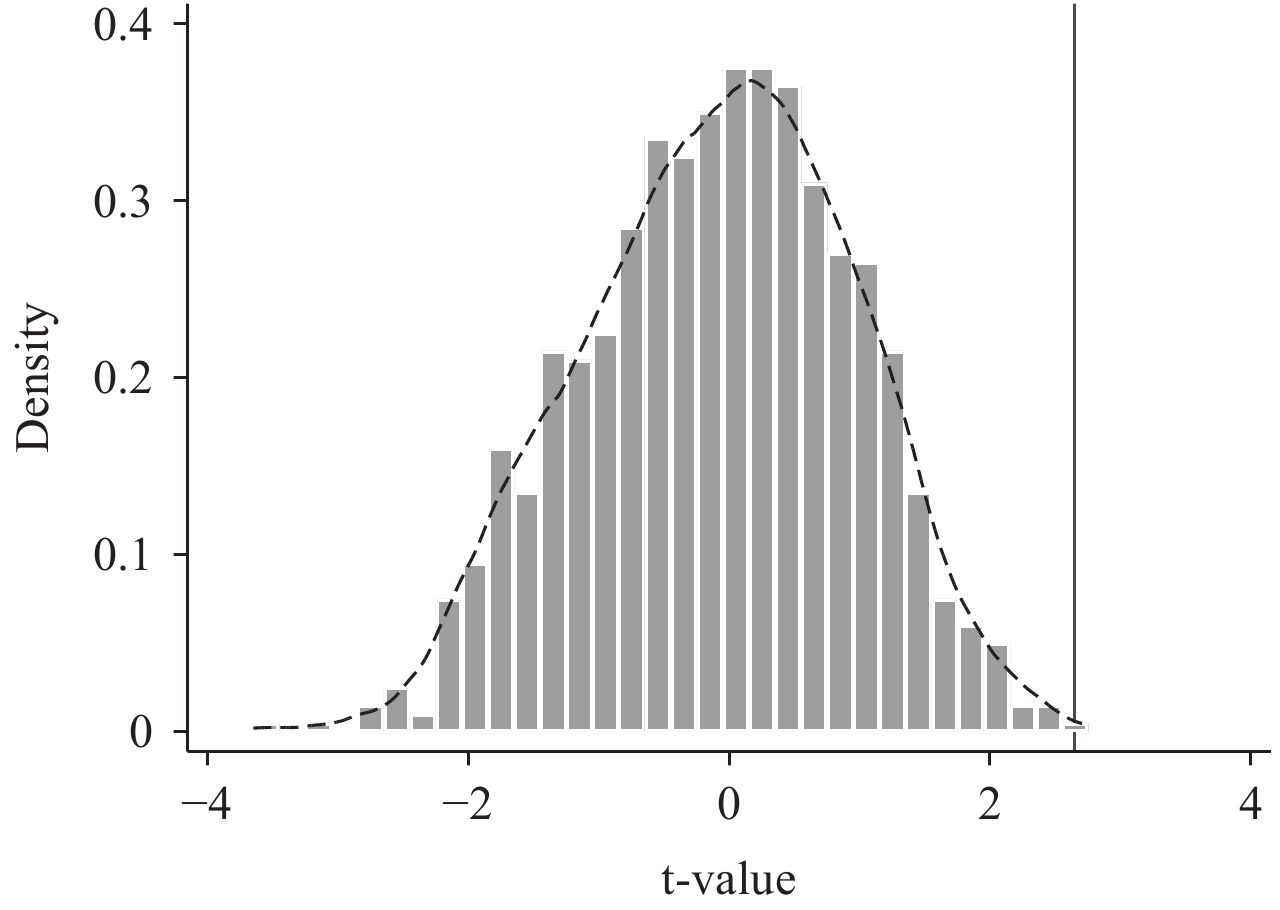
Using the data of listed companies controlled by the business groups in Shanghai and Shenzhen stock exchanges from 2008 to 2020, this paper examines whether contagion effect of bond credit risk exists among business group members. We find that: When the bond credit risk of a company controlled by a business group increases sharply, the credit spreads of other companies in the same group will increase significantly in the next year. In other words, the bond credit risk has a contagion effect within the business groups. The mechanism test shows that the correlation effect, reputation effect and resource effect can explain this contagion effect. Further analysis finds that for firms with risk management committee, firms audited by the “big four” accounting firms, bond rating agency with a good reputation, and bonds with multiple ratings, the contagion effect is weaker. Besides, the contagion effect is weaker for firms that are in the regions with higher levels of marketization and social trust. The research findings of this paper expand the perspective of contagion effect, enriches the influencing factors of bond credit risk, and provides a policy reference for the business groups in emerging markets to strengthen risk prevention and control.
Using the data of listed companies controlled by the business groups in Shanghai and Shenzhen stock exchanges from 2008 to 2020, this paper examines whether contagion effect of bond credit risk exists among business group members. We find that: When the bond credit risk of a company controlled by a business group increases sharply, the credit spreads of other companies in the same group will increase significantly in the next year. In other words, the bond credit risk has a contagion effect within the business groups. The mechanism test shows that the correlation effect, reputation effect and resource effect can explain this contagion effect. Further analysis finds that for firms with risk management committee, firms audited by the “big four” accounting firms, bond rating agency with a good reputation, and bonds with multiple ratings, the contagion effect is weaker. Besides, the contagion effect is weaker for firms that are in the regions with higher levels of marketization and social trust. The research findings of this paper expand the perspective of contagion effect, enriches the influencing factors of bond credit risk, and provides a policy reference for the business groups in emerging markets to strengthen risk prevention and control.
2024, 38(5): 107-119.
Abstract:
This study aims to explore the impact of government subsidies on environmental protection investment by Chinese listed corporate and empirically examine the moderating role of media attention in this relationship. The results reveal that government subsidies exhibit a double-edged sword effect, demonstrating an inverted U-shaped relationship with corporate environmental protection investment. Moderate government subsidies promote corporate environmental protection investment, while excessive subsidies inhibit it. This inverted U-shaped relationship exhibits heterogeneity when distinguishing ownership nature, firm size, and environmental regulation intensity. Further research indicates that media attention strengthens the inverted U-shaped impact of government subsidies on corporate environmental protection investment. These findings provide empirical evidence for optimizing government subsidy policies and leveraging media attention to improve environmental governance.
This study aims to explore the impact of government subsidies on environmental protection investment by Chinese listed corporate and empirically examine the moderating role of media attention in this relationship. The results reveal that government subsidies exhibit a double-edged sword effect, demonstrating an inverted U-shaped relationship with corporate environmental protection investment. Moderate government subsidies promote corporate environmental protection investment, while excessive subsidies inhibit it. This inverted U-shaped relationship exhibits heterogeneity when distinguishing ownership nature, firm size, and environmental regulation intensity. Further research indicates that media attention strengthens the inverted U-shaped impact of government subsidies on corporate environmental protection investment. These findings provide empirical evidence for optimizing government subsidy policies and leveraging media attention to improve environmental governance.
2024, 38(5): 120-141.
Abstract:
Improving the credit system is an essential step in building a stable and sustainable macroeconomic policy framework, and it is also crucial for fostering entrepreneurial spirit and stabilizing employment. Based on the four key areas of social credit system construction, this paper constructs indicators for government integrity, business integrity, social integrity, and judicial credibility using data from the Credit Monitoring Platform of National Information Center. These indicators are combined with data collected through China Household Finance Survey(CHFS) to examine the impact of credit environments in the government, business, social, and judicial sectors on entrepreneurial spirit and the mechanisms. The result shows that after addressing endogeneity issues using a surname dispersion degree instrumental variable, improvements in the credit environment across the government, business, social, and judicial sectors promote entrepreneurial spirit and increase the probability of household-run business operations. These conclusions remain valid after replacing the dependent and independent variables, and conducting subsample tests. Mechanism analysis indicates that enhancing credit accessibility and social network richness are the channels through which the credit system construction fosters entrepreneurial spirit. An analysis by type of entrepreneurship reveals that a favorable credit environment not only helps boost opportunity-driven entrepreneurial spirit but also enhances necessity-driven entrepreneurial spirit. The conclusions suggest that improving the credit system by enhancing government integrity, business integrity, social integrity, and judicial credibility is conducive to fostering entrepreneurial spirit and supporting the employment foundation.
Improving the credit system is an essential step in building a stable and sustainable macroeconomic policy framework, and it is also crucial for fostering entrepreneurial spirit and stabilizing employment. Based on the four key areas of social credit system construction, this paper constructs indicators for government integrity, business integrity, social integrity, and judicial credibility using data from the Credit Monitoring Platform of National Information Center. These indicators are combined with data collected through China Household Finance Survey(CHFS) to examine the impact of credit environments in the government, business, social, and judicial sectors on entrepreneurial spirit and the mechanisms. The result shows that after addressing endogeneity issues using a surname dispersion degree instrumental variable, improvements in the credit environment across the government, business, social, and judicial sectors promote entrepreneurial spirit and increase the probability of household-run business operations. These conclusions remain valid after replacing the dependent and independent variables, and conducting subsample tests. Mechanism analysis indicates that enhancing credit accessibility and social network richness are the channels through which the credit system construction fosters entrepreneurial spirit. An analysis by type of entrepreneurship reveals that a favorable credit environment not only helps boost opportunity-driven entrepreneurial spirit but also enhances necessity-driven entrepreneurial spirit. The conclusions suggest that improving the credit system by enhancing government integrity, business integrity, social integrity, and judicial credibility is conducive to fostering entrepreneurial spirit and supporting the employment foundation.
2024, 38(5): 142-157.
Abstract:
Since the late 1990s, diversified personal income tax credits have become increasingly prevalent in OECD countries. This study employs wage tax models to simulate calculations on policies governing personal income tax credits in OECD countries, aiming to analyze the reasons for their widespread adoption. The findings reveal that many OECD countries incorporate income phase-out mechanisms into their tax credit systems, coupled with refundable features in Child Tax Credits (CTC) and Earned Income Tax Credits (EITC), to address income inequality by capping high incomes and supplementing low incomes. Additionally, eligibility thresholds are designed within CTC and especially EITC structures to encourage labor force participation and increase working hours. Through various tax credits, these policies target households with children, single-parent families, and single-earner married couples to alleviate socioeconomic challenges. The conclusions hold significant implications for drawing successful international experiences in tax credits to build the personal income tax credit systems in China.
Since the late 1990s, diversified personal income tax credits have become increasingly prevalent in OECD countries. This study employs wage tax models to simulate calculations on policies governing personal income tax credits in OECD countries, aiming to analyze the reasons for their widespread adoption. The findings reveal that many OECD countries incorporate income phase-out mechanisms into their tax credit systems, coupled with refundable features in Child Tax Credits (CTC) and Earned Income Tax Credits (EITC), to address income inequality by capping high incomes and supplementing low incomes. Additionally, eligibility thresholds are designed within CTC and especially EITC structures to encourage labor force participation and increase working hours. Through various tax credits, these policies target households with children, single-parent families, and single-earner married couples to alleviate socioeconomic challenges. The conclusions hold significant implications for drawing successful international experiences in tax credits to build the personal income tax credit systems in China.


 Email alert
 RSS