


2025 Vol. 39, No. 1
Display Method:
2025, 39(1): 3-24.
Abstract:
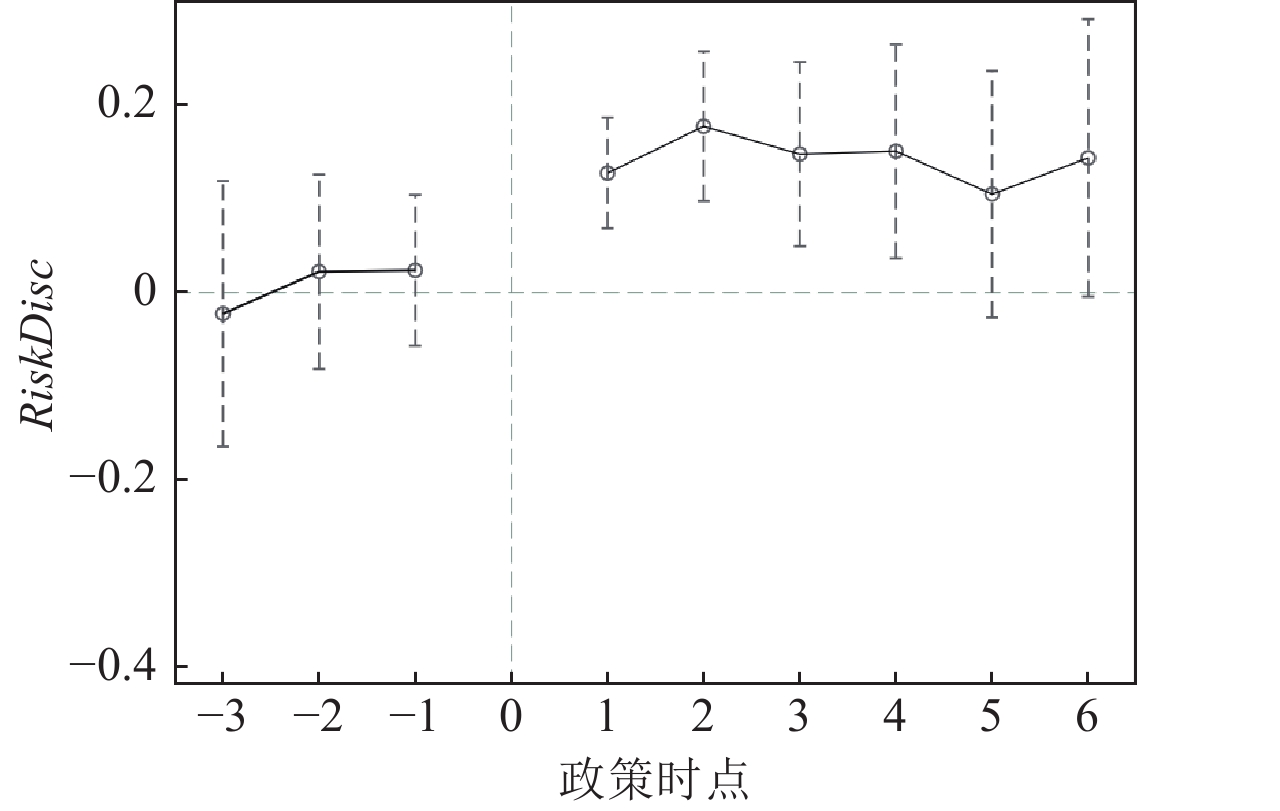
Investor information utilization is vital for disclosure-oriented capital markets, necessitating understanding how investor sophistication shapes corporate information disclosure. From a risk disclosure perspective, we use the launch of online investor-platform interactions as an exogenous shock and find that enhanced investor sophistication significantly increases corporate risk information disclosure in social media environments. Moreover, this incentive effect is more pronounced when proprietary costs are higher, suggesting improved investor sophistication helps mitigate the proprietary cost-disclosure conflict. Three mechanisms drive this effect: reducing information uncertainty, narrowing investor information gaps, and strengthening investor monitoring capabilities. The economic consequences analysis reveals that this investor-driven disclosure mechanism reduces the capital cost. Our study reveals the demand-pull effect of investor information needs on corporate disclosure supply from the investor perspective, elaborates the complementary relationship between social media and information disclosure, and provides both theoretical foundations and practical implications for developing disclosure-oriented capital market ecosystems at the micro level.
Investor information utilization is vital for disclosure-oriented capital markets, necessitating understanding how investor sophistication shapes corporate information disclosure. From a risk disclosure perspective, we use the launch of online investor-platform interactions as an exogenous shock and find that enhanced investor sophistication significantly increases corporate risk information disclosure in social media environments. Moreover, this incentive effect is more pronounced when proprietary costs are higher, suggesting improved investor sophistication helps mitigate the proprietary cost-disclosure conflict. Three mechanisms drive this effect: reducing information uncertainty, narrowing investor information gaps, and strengthening investor monitoring capabilities. The economic consequences analysis reveals that this investor-driven disclosure mechanism reduces the capital cost. Our study reveals the demand-pull effect of investor information needs on corporate disclosure supply from the investor perspective, elaborates the complementary relationship between social media and information disclosure, and provides both theoretical foundations and practical implications for developing disclosure-oriented capital market ecosystems at the micro level.
2025, 39(1): 25-43.
Abstract:
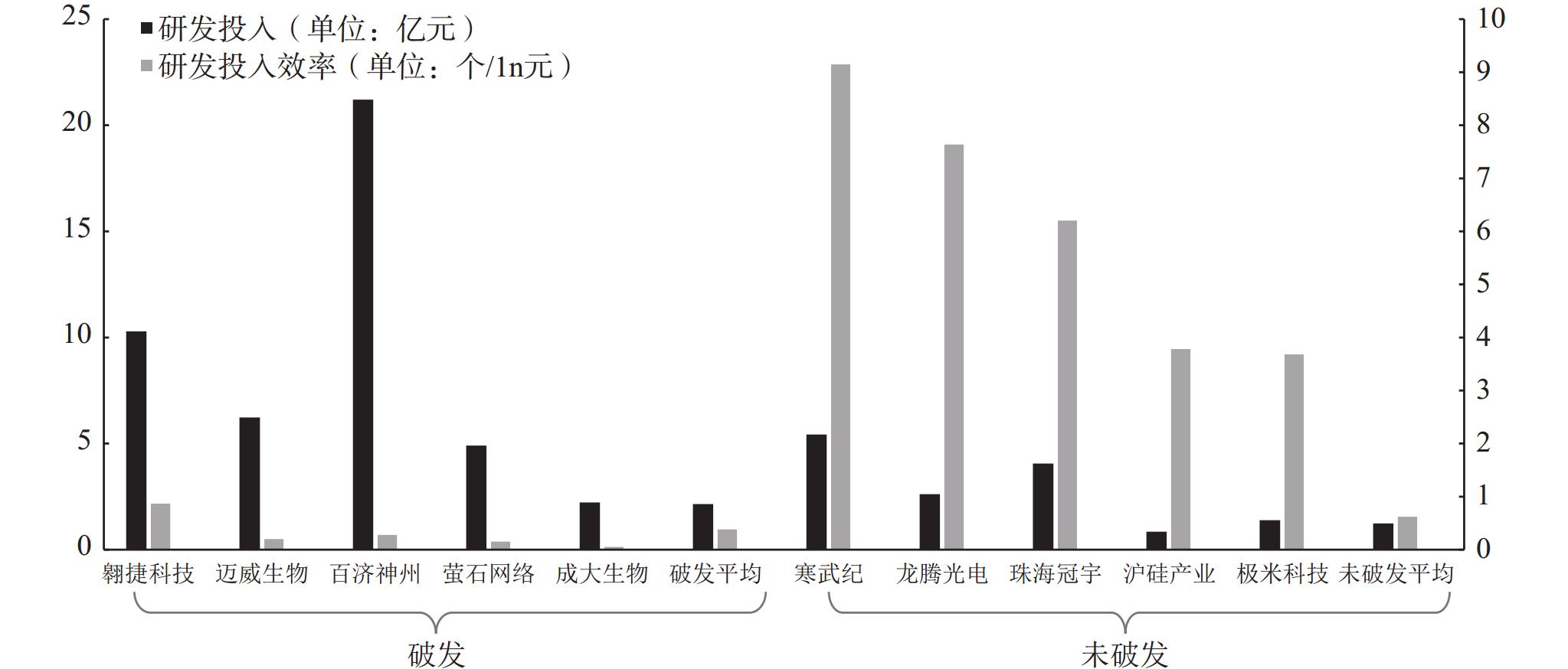
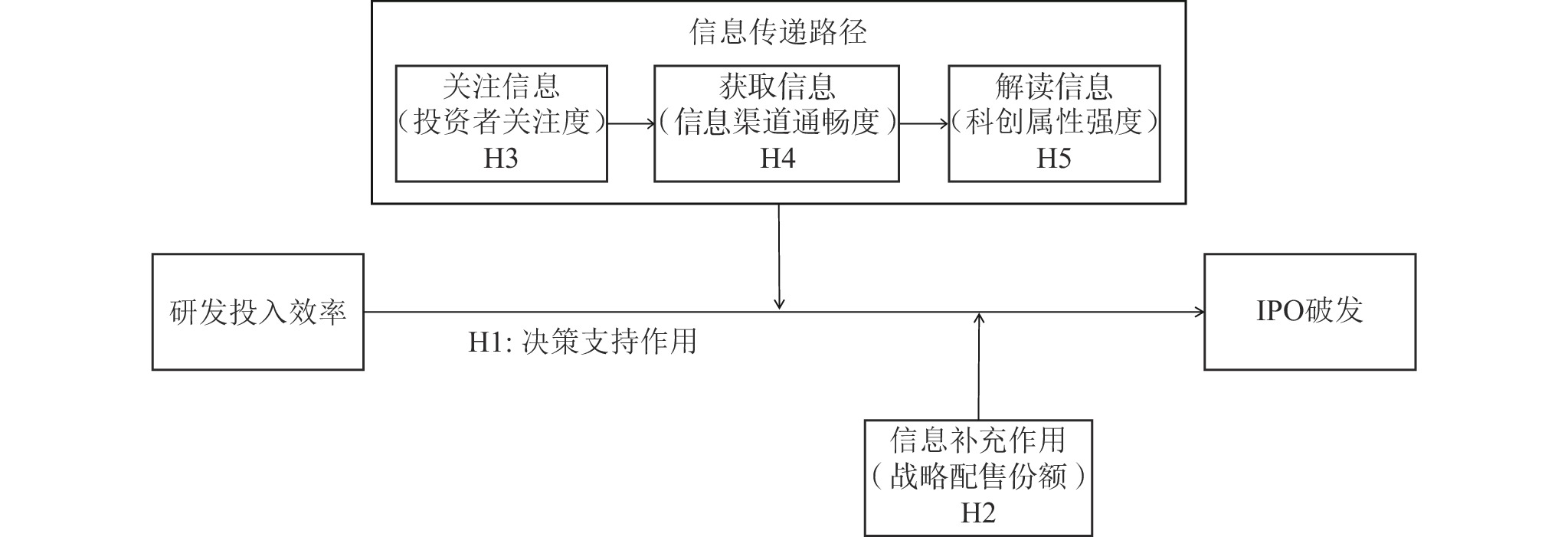
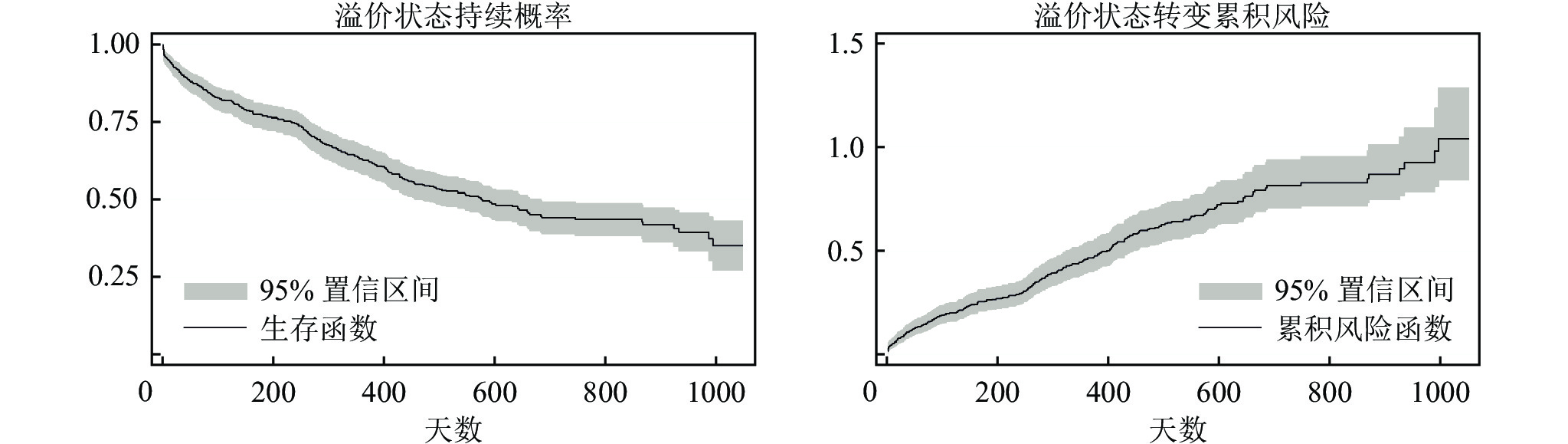
This study examines the impact of R&D investment efficiency—a key indicator of innovation implementation—on the broken IPO, using a sample of firms listed on China’s sci-tech innovation board (STAR), and further explores the informational value of R&D efficiency in capital markets. The results show that lower R&D efficiency leads to greater broken IPO, with this effect primarily transmitted through analyst ratings and coverage. Heterogeneity analysis reveals that the relationship is more pronounced in subsamples with low strategic placement ratios, high investor attention, well-developed information channels, and strong innovation-oriented attributes. Additional analysis indicates that firms avoiding underpricing due to high R&D efficiency exhibit lower post-IPO premium reversal risk and superior long- and short-term market performance. The findings enrich the broken IPO literatures, deepen the understanding of its causes and the informational role of R&D efficiency, and also provide insights for regulators and investors to reassess firms’ innovation implementation capabilities, thereby enhancing capital market efficiency.
This study examines the impact of R&D investment efficiency—a key indicator of innovation implementation—on the broken IPO, using a sample of firms listed on China’s sci-tech innovation board (STAR), and further explores the informational value of R&D efficiency in capital markets. The results show that lower R&D efficiency leads to greater broken IPO, with this effect primarily transmitted through analyst ratings and coverage. Heterogeneity analysis reveals that the relationship is more pronounced in subsamples with low strategic placement ratios, high investor attention, well-developed information channels, and strong innovation-oriented attributes. Additional analysis indicates that firms avoiding underpricing due to high R&D efficiency exhibit lower post-IPO premium reversal risk and superior long- and short-term market performance. The findings enrich the broken IPO literatures, deepen the understanding of its causes and the informational role of R&D efficiency, and also provide insights for regulators and investors to reassess firms’ innovation implementation capabilities, thereby enhancing capital market efficiency.
2025, 39(1): 44-65.
Abstract:
Based on the theoretical analysis of dual-class equity agency conflicts, this study employs the Difference-in-Differences(DID) method to empirically examine changes in related-party transactions before and after the equity incentive implementation in listed firms. The findings reveal that firms experience a significant increase in related-party transactions post-equity incentive implementation, primarily driven by abnormal related-party transactions and non-market-priced related-party transactions, which consequently leads to decreased persistence of such transactions. Heterogeneity analysis indicates that the increase in related-party transactions is particularly pronounced in state-owned enterprises, those adopting stock option incentives, and firms with superior historical performance, indicating that relational contracts, incentive mechanisms, and appropriable rents significantly influence controlling shareholders’ tunneling behaviors. The results demonstrate that while equity incentives serve to mitigate principal-agent conflicts between management and shareholders, thereby reducing Type I agency costs, they may concurrently induce or intensify controlling shareholders’ expropriation of minority interests, leading to an increase in Type II agency costs.
Based on the theoretical analysis of dual-class equity agency conflicts, this study employs the Difference-in-Differences(DID) method to empirically examine changes in related-party transactions before and after the equity incentive implementation in listed firms. The findings reveal that firms experience a significant increase in related-party transactions post-equity incentive implementation, primarily driven by abnormal related-party transactions and non-market-priced related-party transactions, which consequently leads to decreased persistence of such transactions. Heterogeneity analysis indicates that the increase in related-party transactions is particularly pronounced in state-owned enterprises, those adopting stock option incentives, and firms with superior historical performance, indicating that relational contracts, incentive mechanisms, and appropriable rents significantly influence controlling shareholders’ tunneling behaviors. The results demonstrate that while equity incentives serve to mitigate principal-agent conflicts between management and shareholders, thereby reducing Type I agency costs, they may concurrently induce or intensify controlling shareholders’ expropriation of minority interests, leading to an increase in Type II agency costs.
2025, 39(1): 66-88.
Abstract:
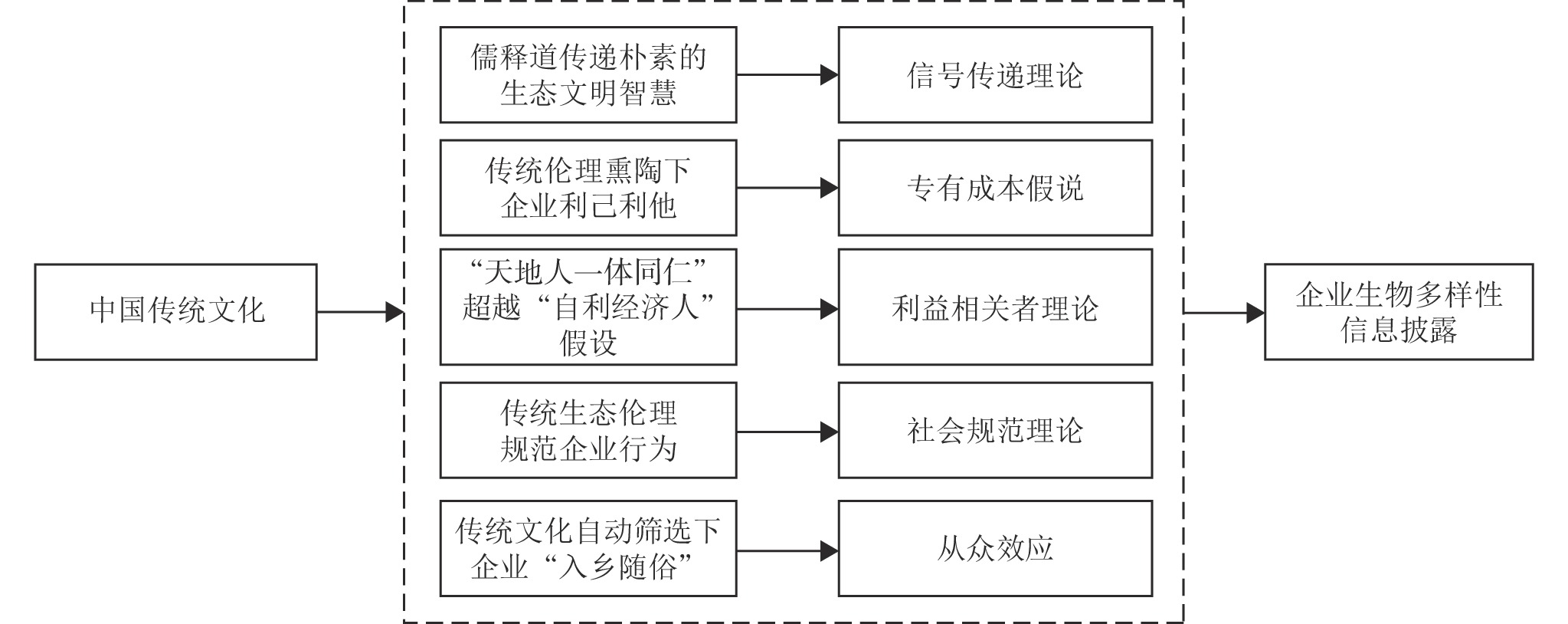
This paper examines the impact of Chinese traditional culture (Confucianism, Buddhism, and Daoism) on corporate biodiversity disclosure and the moderating effects of foreign-experienced directors and female executives, using a sample of Shanghai and Shenzhen A-share listed firms from 2015 to 2021. The empirical results demonstrate that: (1) Chinese traditional culture is significantly positively associated with corporate biodiversity disclosure, indicating that stronger cultural influence leads to higher disclosure levels; (2) Foreign-experienced directors and female executive weaken the above positive relationship. The findings suggest that: On one hand, we should explore the ecological wisdom inherent in traditional culture to enhance its guiding role in sustainable development. On the other hand, enterprises need to integrate traditional ecological philosophies with global governance practices, thereby advancing ecological civilization construction and achieving synergistic development between economic growth and environmental protection.
This paper examines the impact of Chinese traditional culture (Confucianism, Buddhism, and Daoism) on corporate biodiversity disclosure and the moderating effects of foreign-experienced directors and female executives, using a sample of Shanghai and Shenzhen A-share listed firms from 2015 to 2021. The empirical results demonstrate that: (1) Chinese traditional culture is significantly positively associated with corporate biodiversity disclosure, indicating that stronger cultural influence leads to higher disclosure levels; (2) Foreign-experienced directors and female executive weaken the above positive relationship. The findings suggest that: On one hand, we should explore the ecological wisdom inherent in traditional culture to enhance its guiding role in sustainable development. On the other hand, enterprises need to integrate traditional ecological philosophies with global governance practices, thereby advancing ecological civilization construction and achieving synergistic development between economic growth and environmental protection.
2025, 39(1): 89-113.
Abstract:
New Quality Productivity Forces (NQPF) serves as a solid foundation and powerful engine for enterprises to achieve high-quality development. Utilizing data of listed enterprises from 2015 to 2022 and contract announcement records from China Government Procurement Network, this study empirically examines the impact and mechanisms of government procurement on enterprises’ NQPF. The findings reveal that government procurement exerts significant positive effects on the development of enterprises’ NQPF, with conclusions remaining robust after addressing endogeneity issues and conducting comprehensive robustness checks. Mechanism analysis demonstrates that government procurement primarily facilitates enterprises’ NQPF through human capital upgrading, alleviation of financial constraints and breakthroughs in scientific technologies. Heterogeneity analysis indicates that the promotional effects of government procurement on enterprises’ NQPF are more pronounced with stronger continuity in government procurement, lower level of regional industrial structure upgrading and higher supply chain concentration. These conclusions provide micro-level empirical evidence and policy references for optimizing the positive role of government procurement and promoting the development of enterprises’ NQPF.
New Quality Productivity Forces (NQPF) serves as a solid foundation and powerful engine for enterprises to achieve high-quality development. Utilizing data of listed enterprises from 2015 to 2022 and contract announcement records from China Government Procurement Network, this study empirically examines the impact and mechanisms of government procurement on enterprises’ NQPF. The findings reveal that government procurement exerts significant positive effects on the development of enterprises’ NQPF, with conclusions remaining robust after addressing endogeneity issues and conducting comprehensive robustness checks. Mechanism analysis demonstrates that government procurement primarily facilitates enterprises’ NQPF through human capital upgrading, alleviation of financial constraints and breakthroughs in scientific technologies. Heterogeneity analysis indicates that the promotional effects of government procurement on enterprises’ NQPF are more pronounced with stronger continuity in government procurement, lower level of regional industrial structure upgrading and higher supply chain concentration. These conclusions provide micro-level empirical evidence and policy references for optimizing the positive role of government procurement and promoting the development of enterprises’ NQPF.
2025, 39(1): 114-135.
Abstract:
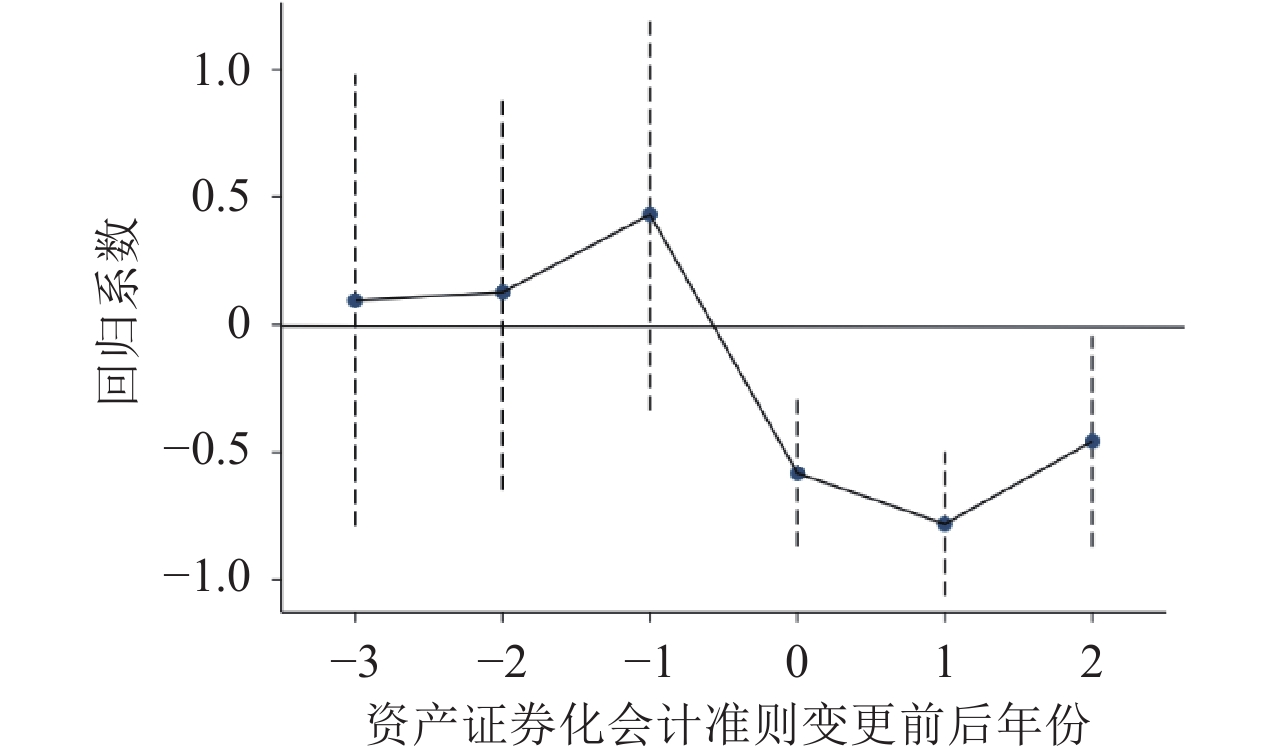
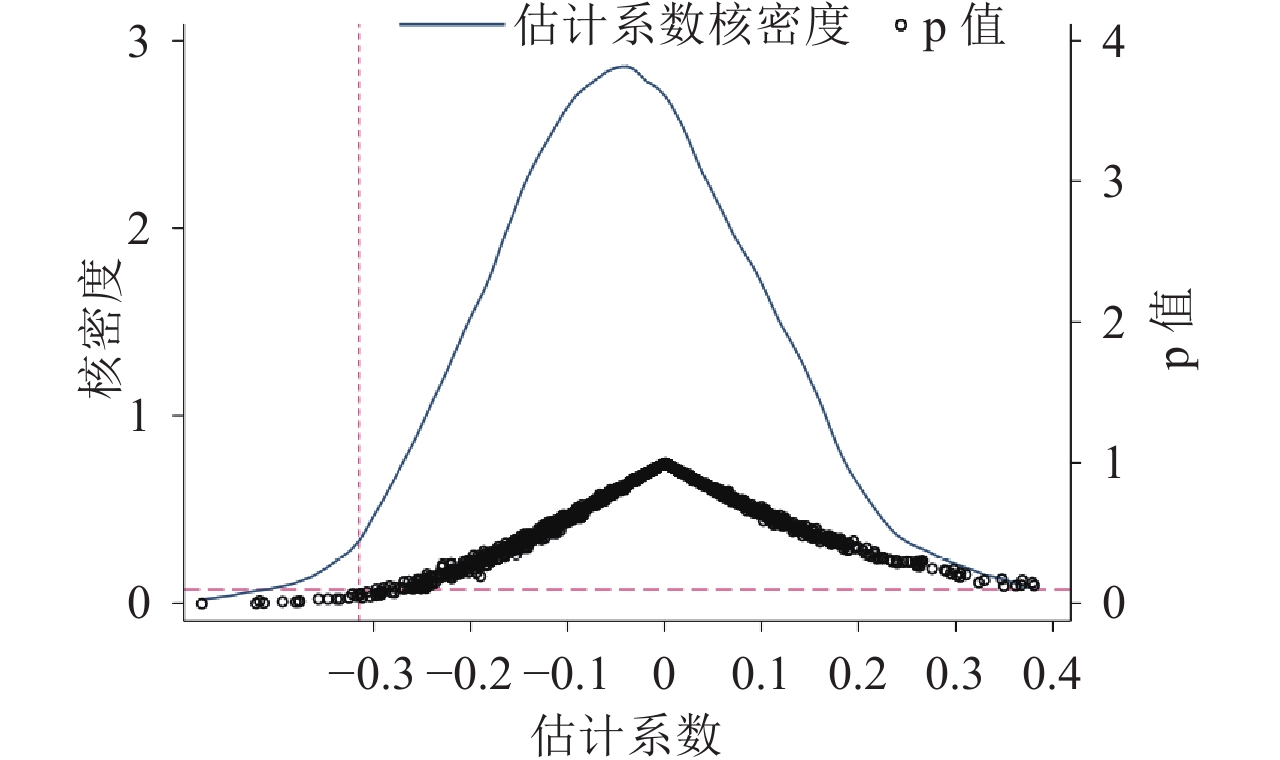
This study investigates the impact of changes in asset securitization accounting standard on analysts’ earnings forecast accuracy using China’s A-share non-financial listed companies as research subjects and employing a multi-period difference-in-differences (DID) approach. The findings reveal that the revision of asset securitization accounting standard significantly enhances analysts’ earnings forecast accuracy. Mechanism tests demonstrate that this improvement operates through the information disclosure effect and corporate behavior adjustment mechanisms. Heterogeneity analysis indicates that the enhancement effect is more pronounced in companies with higher financing constraints, poorer profitability, superior corporate governance and regulatory penalties. This research not only provides empirical evidence for evaluating the implementation effectiveness of current asset securitization accounting standard, but also offers valuable references and policy recommendations for further refinement of the asset securitization accounting standard.
This study investigates the impact of changes in asset securitization accounting standard on analysts’ earnings forecast accuracy using China’s A-share non-financial listed companies as research subjects and employing a multi-period difference-in-differences (DID) approach. The findings reveal that the revision of asset securitization accounting standard significantly enhances analysts’ earnings forecast accuracy. Mechanism tests demonstrate that this improvement operates through the information disclosure effect and corporate behavior adjustment mechanisms. Heterogeneity analysis indicates that the enhancement effect is more pronounced in companies with higher financing constraints, poorer profitability, superior corporate governance and regulatory penalties. This research not only provides empirical evidence for evaluating the implementation effectiveness of current asset securitization accounting standard, but also offers valuable references and policy recommendations for further refinement of the asset securitization accounting standard.
2025, 39(1): 136-159.
Abstract:
As a key component of the green supply chain and an important external stakeholder, customers’ green demands exert market-based green pressure on firms, thereby driving firm green innovation. Such green pressure is closely associated with the stability of buyer-supplier relationships, where higher customer stability provides essential conditions for firm green innovation. Using dynamic data on the top five customer structures of listed firms and detailed green patent records, we examine how supply chain customer stability affects firm green innovation. The findings reveal that higher customer stability significantly enhances firm green innovation, demonstrating a positive correlation between customer stability and green innovation performance. Mechanism analysis shows that customer stability promotes firm green innovation through three pathways: intensifying green pressure on firms, increasing green innovation input, and fostering green collaborative innovation between buyers and suppliers. Heterogeneity tests show that customer stability plays a greater role in promoting green innovation in firms with longer geographical distance from customers, higher public environmental engagement in customers’ regions, higher green innovation level in customers’ provinces, or greater environmental consciousness. Our study highlights how strengthening supply chain resilience and stability, and maximizing the leverage effect of market mechanisms through full activation of customers’ green purchasing power, and then provides important theoretical and practical implications for advancing green economic transformation and promoting the green high-quality economic development under the new development paradigm with domestic circulation as the mainstay.
As a key component of the green supply chain and an important external stakeholder, customers’ green demands exert market-based green pressure on firms, thereby driving firm green innovation. Such green pressure is closely associated with the stability of buyer-supplier relationships, where higher customer stability provides essential conditions for firm green innovation. Using dynamic data on the top five customer structures of listed firms and detailed green patent records, we examine how supply chain customer stability affects firm green innovation. The findings reveal that higher customer stability significantly enhances firm green innovation, demonstrating a positive correlation between customer stability and green innovation performance. Mechanism analysis shows that customer stability promotes firm green innovation through three pathways: intensifying green pressure on firms, increasing green innovation input, and fostering green collaborative innovation between buyers and suppliers. Heterogeneity tests show that customer stability plays a greater role in promoting green innovation in firms with longer geographical distance from customers, higher public environmental engagement in customers’ regions, higher green innovation level in customers’ provinces, or greater environmental consciousness. Our study highlights how strengthening supply chain resilience and stability, and maximizing the leverage effect of market mechanisms through full activation of customers’ green purchasing power, and then provides important theoretical and practical implications for advancing green economic transformation and promoting the green high-quality economic development under the new development paradigm with domestic circulation as the mainstay.

 Email alert
 RSS