


2025 Vol. 39, No. 2
Display Method:
2025, 39(2): 3-27.
Abstract:
The executive rotation system plays an important role in strengthening national economic governance and modernization. Although learning by doing is theoretically regarded as an important underlying mechanism, there is still a lack of systematic and consistent empirical evidence. Against the backdrop of the rotation system of chief accountants vigorously promoted in recent years by the State-owned Assets Supervision and Administration Commission (SASAC), this paper examines the governance effect and mechanism of chief accountant rotation on the market value stability of state-owned enterprises (SOEs) from a micro perspective. The study finds that the rotation of chief accountants significantly reduces the stock price crash risk of SOEs, and this governance effect is more pronounced when SOEs face more severe information asymmetry and principal-agent problems. Mechanism tests show that the governance effect of chief accountant rotation does not operate through enhancing their independence in performing duties, but primarily through promoting learning by doing. Specifically, the more rotation experiences and the longer rotation duration of chief accountants, the stronger the governance effect. Furthermore, the more severe the information asymmetry and principal-agent problems in the new SOEs compared to the original SOEs before chief accountants assume office, the stronger the effect of rotation on improving the information environment, reducing agency costs, and suppressing stock price crash risk in the new SOEs. Further tests reveal that alternative explanations based on incentive changes induced by rotation are not supported, while market-based mechanisms in the capital market, such as investor participation, analyst coverage, and short-selling deregulation, have a substitutive effect on the governance role of chief accountant rotation. In summary, the rotation system of chief accountants helps accumulate human capital of chief accountants, thereby optimizing SOE governance and effectively maintaining the market value stability of SOEs.
The executive rotation system plays an important role in strengthening national economic governance and modernization. Although learning by doing is theoretically regarded as an important underlying mechanism, there is still a lack of systematic and consistent empirical evidence. Against the backdrop of the rotation system of chief accountants vigorously promoted in recent years by the State-owned Assets Supervision and Administration Commission (SASAC), this paper examines the governance effect and mechanism of chief accountant rotation on the market value stability of state-owned enterprises (SOEs) from a micro perspective. The study finds that the rotation of chief accountants significantly reduces the stock price crash risk of SOEs, and this governance effect is more pronounced when SOEs face more severe information asymmetry and principal-agent problems. Mechanism tests show that the governance effect of chief accountant rotation does not operate through enhancing their independence in performing duties, but primarily through promoting learning by doing. Specifically, the more rotation experiences and the longer rotation duration of chief accountants, the stronger the governance effect. Furthermore, the more severe the information asymmetry and principal-agent problems in the new SOEs compared to the original SOEs before chief accountants assume office, the stronger the effect of rotation on improving the information environment, reducing agency costs, and suppressing stock price crash risk in the new SOEs. Further tests reveal that alternative explanations based on incentive changes induced by rotation are not supported, while market-based mechanisms in the capital market, such as investor participation, analyst coverage, and short-selling deregulation, have a substitutive effect on the governance role of chief accountant rotation. In summary, the rotation system of chief accountants helps accumulate human capital of chief accountants, thereby optimizing SOE governance and effectively maintaining the market value stability of SOEs.
2025, 39(2): 28-50.
Abstract:
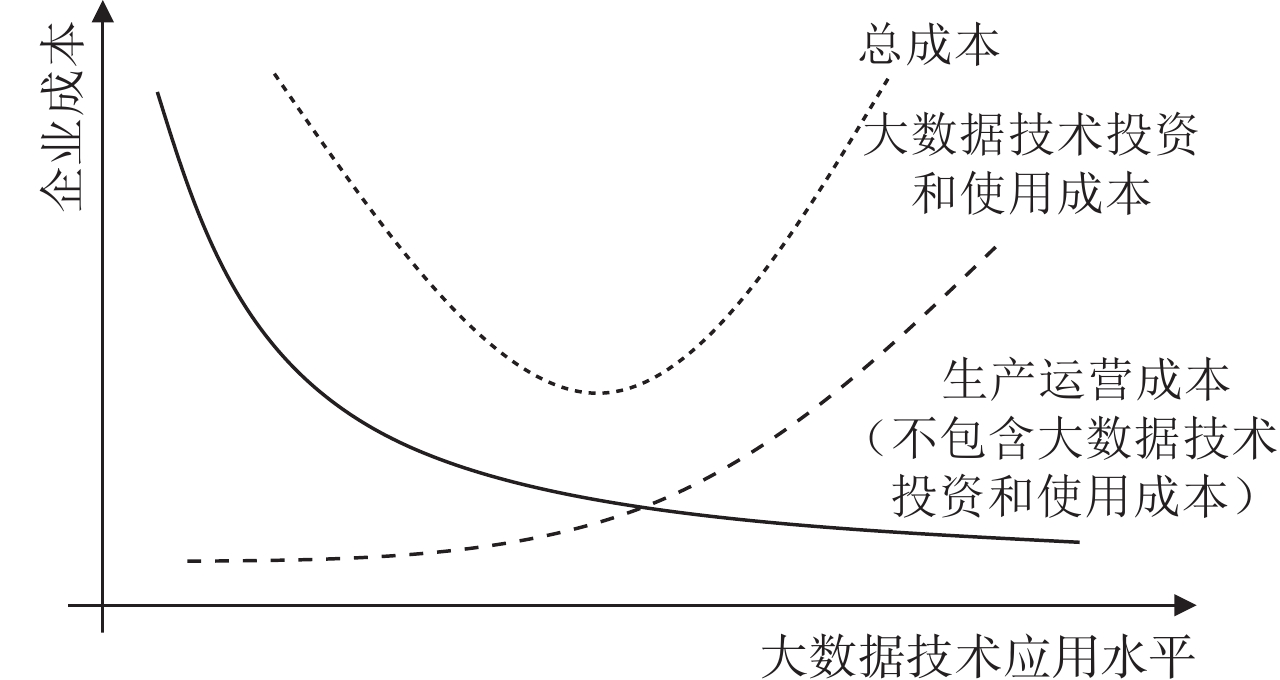
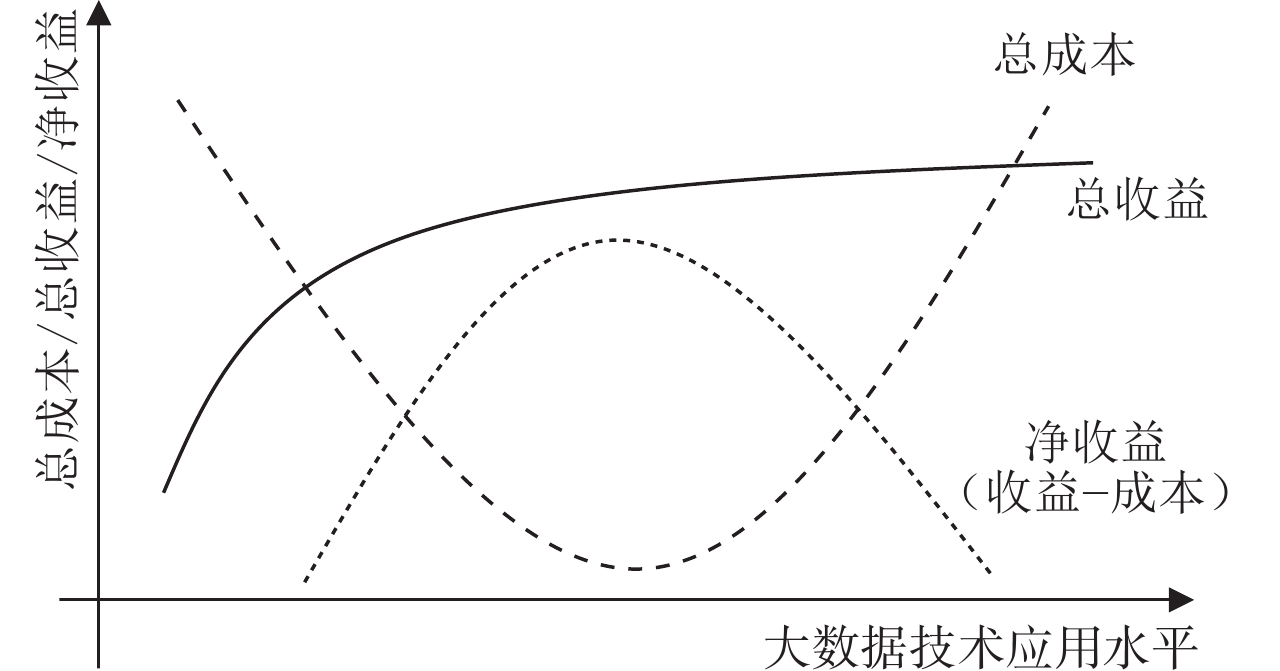
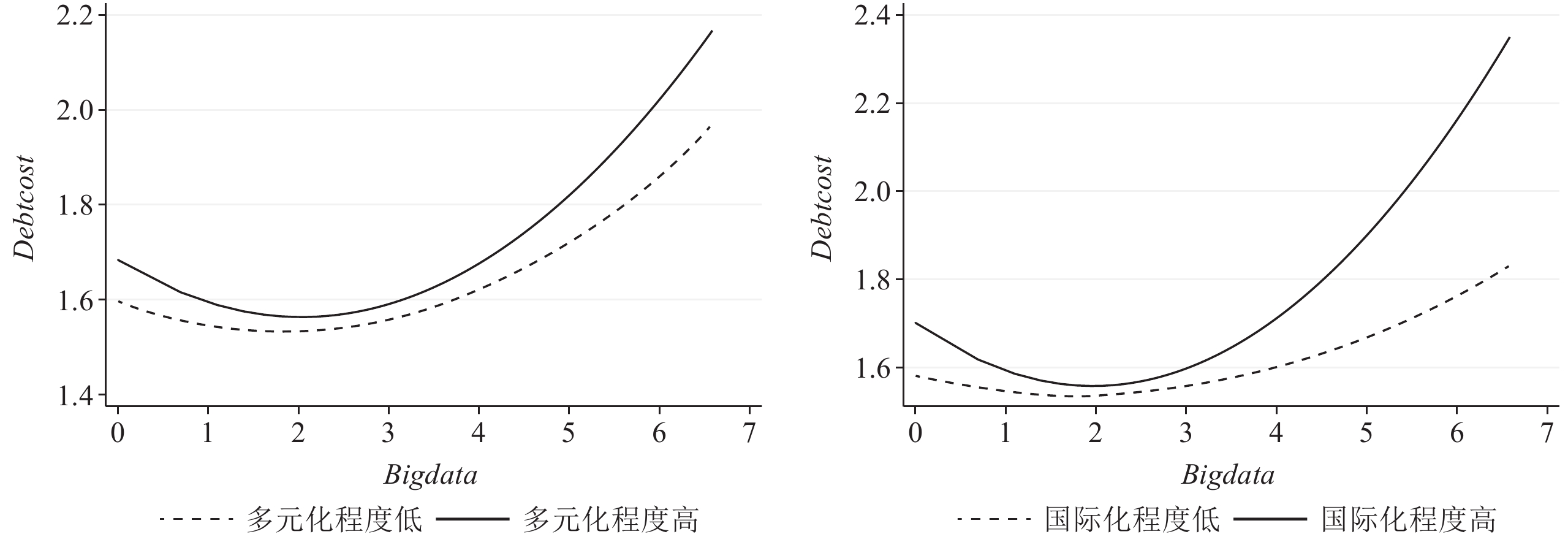
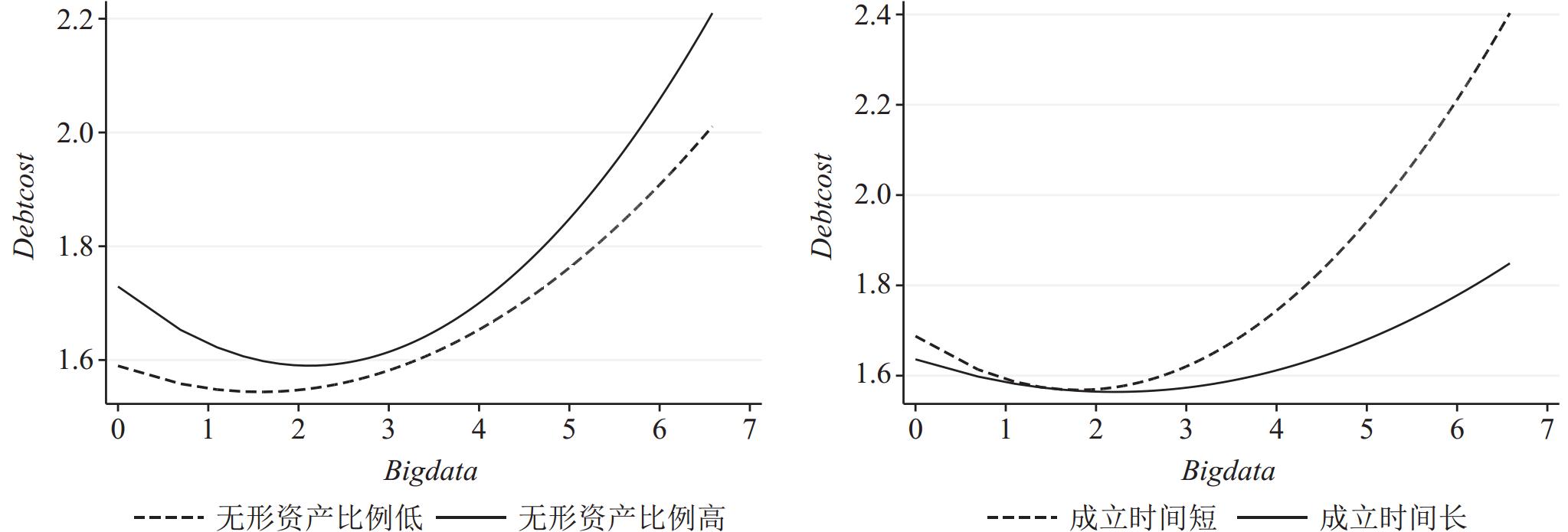
Based on the impact of big data technology on corporate costs, benefits, and information asymmetry, this study examines the effect of big data technology on corporate debt financing costs using a sample of China’s A-share listed companies from 2007 to 2023. The findings reveal a U-shaped relationship between the application level of big data technology and corporate debt financing costs, indicating that as the application level increases, corporate debt financing costs first decrease and then rise. Mechanism analysis shows that at lower levels of big data technology application, improving this level helps reduce costs, increase benefits, and alleviate information asymmetry, thereby lowering debt financing costs. However, at higher application levels, further enhancement yields diminishing marginal effects in boosting benefits and mitigating information asymmetry, while continuously raising costs, leading to an increase in debt financing costs. Heterogeneity analysis indicates that the impact of big data technology on corporate debt financing costs is more pronounced in firms with higher degrees of diversification and internationalization, higher proportion of intangible assets, and shorter establishment periods. The study unveils the nonlinear impact mechanism of big data technology on corporate debt financing costs, and offers practical implications for firms to optimize technology application to reduce financing costs.
Based on the impact of big data technology on corporate costs, benefits, and information asymmetry, this study examines the effect of big data technology on corporate debt financing costs using a sample of China’s A-share listed companies from 2007 to 2023. The findings reveal a U-shaped relationship between the application level of big data technology and corporate debt financing costs, indicating that as the application level increases, corporate debt financing costs first decrease and then rise. Mechanism analysis shows that at lower levels of big data technology application, improving this level helps reduce costs, increase benefits, and alleviate information asymmetry, thereby lowering debt financing costs. However, at higher application levels, further enhancement yields diminishing marginal effects in boosting benefits and mitigating information asymmetry, while continuously raising costs, leading to an increase in debt financing costs. Heterogeneity analysis indicates that the impact of big data technology on corporate debt financing costs is more pronounced in firms with higher degrees of diversification and internationalization, higher proportion of intangible assets, and shorter establishment periods. The study unveils the nonlinear impact mechanism of big data technology on corporate debt financing costs, and offers practical implications for firms to optimize technology application to reduce financing costs.
2025, 39(2): 51-75.
Abstract:
The deep integration of artificial intelligence (AI) with real-economy enterprises is profoundly altering the production and transmission of traditional corporate information. As key users and disseminators of information in the capital market, whether analysts are affected by these changes in information production dissemination driven by AI applications has been a crucial issue for understanding the evolution of the capital market information environment. Using a sample of Shanghai and Shenzhen A-share listed companies from 2011 to 2022, this study employs text mining methods to construct micro-level AI application metrics. From the perspective of analyst behaviors, it empirically examines the impact of corporate AI applications on the capital market information environment. The findings indicate that AI applications by listed companies significantly increases both the demand for and supply of analysts in the capital market, attracts more analyst coverage, reduces analyst earnings forecast errors and dispersion, thereby improving the capital market information environment. Further pathway tests reveal that AI applications by listed companies enhances their accounting information quality and attracts more analysts to conduct on-site visits, which in turn increases analyst attention and reduces earnings forecast errors and dispersion. The conclusions of this study not only enrich the research on the economic consequences of micro-level AI applications and the factors influencing analyst behaviors, but also hold significant implications for capital market participants in deeply understanding the integration of AI with real-economy enterprises, thereby promoting the enhancement of resource allocation efficiency in the capital market.
The deep integration of artificial intelligence (AI) with real-economy enterprises is profoundly altering the production and transmission of traditional corporate information. As key users and disseminators of information in the capital market, whether analysts are affected by these changes in information production dissemination driven by AI applications has been a crucial issue for understanding the evolution of the capital market information environment. Using a sample of Shanghai and Shenzhen A-share listed companies from 2011 to 2022, this study employs text mining methods to construct micro-level AI application metrics. From the perspective of analyst behaviors, it empirically examines the impact of corporate AI applications on the capital market information environment. The findings indicate that AI applications by listed companies significantly increases both the demand for and supply of analysts in the capital market, attracts more analyst coverage, reduces analyst earnings forecast errors and dispersion, thereby improving the capital market information environment. Further pathway tests reveal that AI applications by listed companies enhances their accounting information quality and attracts more analysts to conduct on-site visits, which in turn increases analyst attention and reduces earnings forecast errors and dispersion. The conclusions of this study not only enrich the research on the economic consequences of micro-level AI applications and the factors influencing analyst behaviors, but also hold significant implications for capital market participants in deeply understanding the integration of AI with real-economy enterprises, thereby promoting the enhancement of resource allocation efficiency in the capital market.
The Implementation of the Government Financial Reporting System and Enterprise Investment Efficiency
2025, 39(2): 76-95.
Abstract:
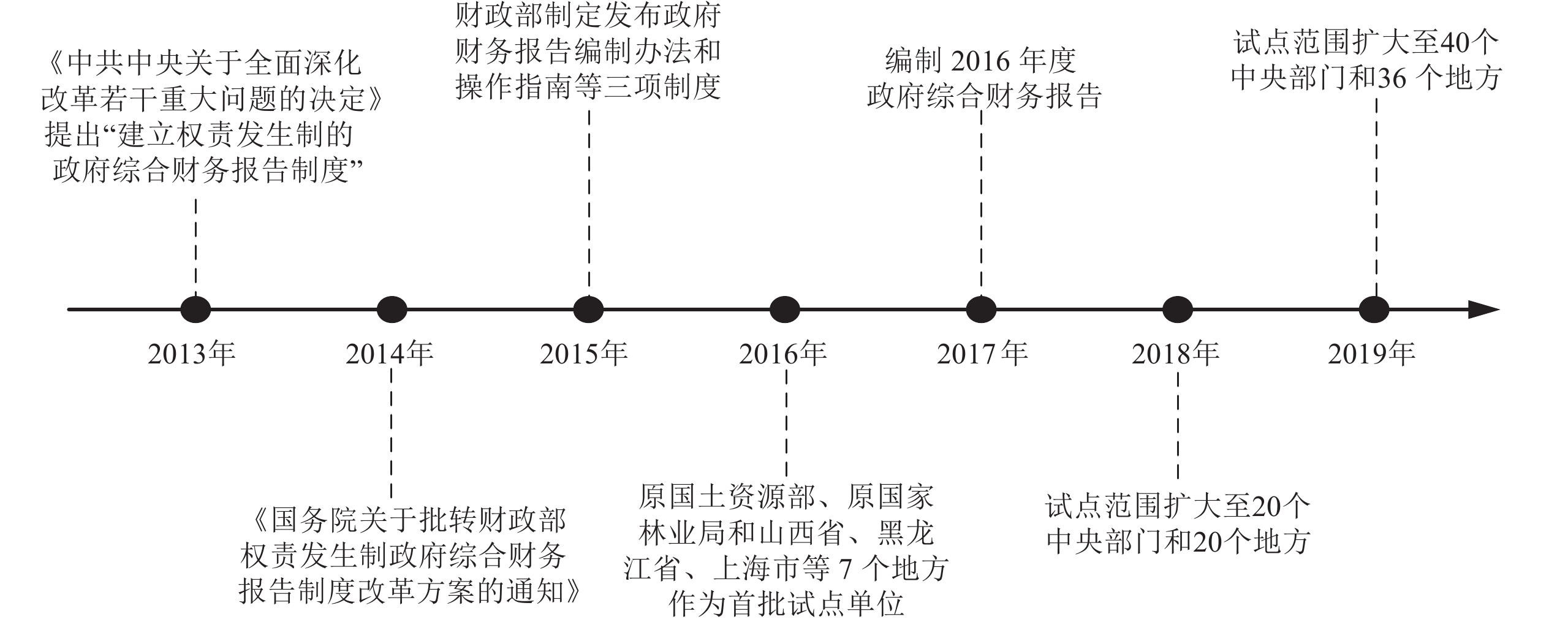
To explore the economic governance effects of the implementation of the government financial reporting system, this study constructs a quasi-natural experiment based on the pilot trial of government financial reporting initiated by the Ministry of Finance. A multi-period difference-in-differences (DID) model is constructed to examine the impact of the system’s implementation on enterprise investment efficiency and its underlying mechanisms. The findings reveal that the implementation of the government financial reporting system significantly enhances enterprise investment efficiency. Pathway analysis indicates that this improvement operates through the channel of increased government investment efficiency. However, this transmission mechanism is moderated by institutional and behavioral factors such as GDP growth pressure, intergovernmental competition, and soft budget constraints. Heterogeneity analysis further demonstrates that the positive impact of the system’s implementation on enterprise investment efficiency is more pronounced in state-owned enterprises (SOEs), industries with higher competition intensity, and economically developed regions. Identifying and verifying the economic governance effects of implementing the government financial reporting system holds significant theoretical and practical implications for advancing the organic synergy between a well-functioning government and an efficient market, thereby further enhancing the macroeconomic governance capabilities of governments.
To explore the economic governance effects of the implementation of the government financial reporting system, this study constructs a quasi-natural experiment based on the pilot trial of government financial reporting initiated by the Ministry of Finance. A multi-period difference-in-differences (DID) model is constructed to examine the impact of the system’s implementation on enterprise investment efficiency and its underlying mechanisms. The findings reveal that the implementation of the government financial reporting system significantly enhances enterprise investment efficiency. Pathway analysis indicates that this improvement operates through the channel of increased government investment efficiency. However, this transmission mechanism is moderated by institutional and behavioral factors such as GDP growth pressure, intergovernmental competition, and soft budget constraints. Heterogeneity analysis further demonstrates that the positive impact of the system’s implementation on enterprise investment efficiency is more pronounced in state-owned enterprises (SOEs), industries with higher competition intensity, and economically developed regions. Identifying and verifying the economic governance effects of implementing the government financial reporting system holds significant theoretical and practical implications for advancing the organic synergy between a well-functioning government and an efficient market, thereby further enhancing the macroeconomic governance capabilities of governments.
2025, 39(2): 96-112.
Abstract:
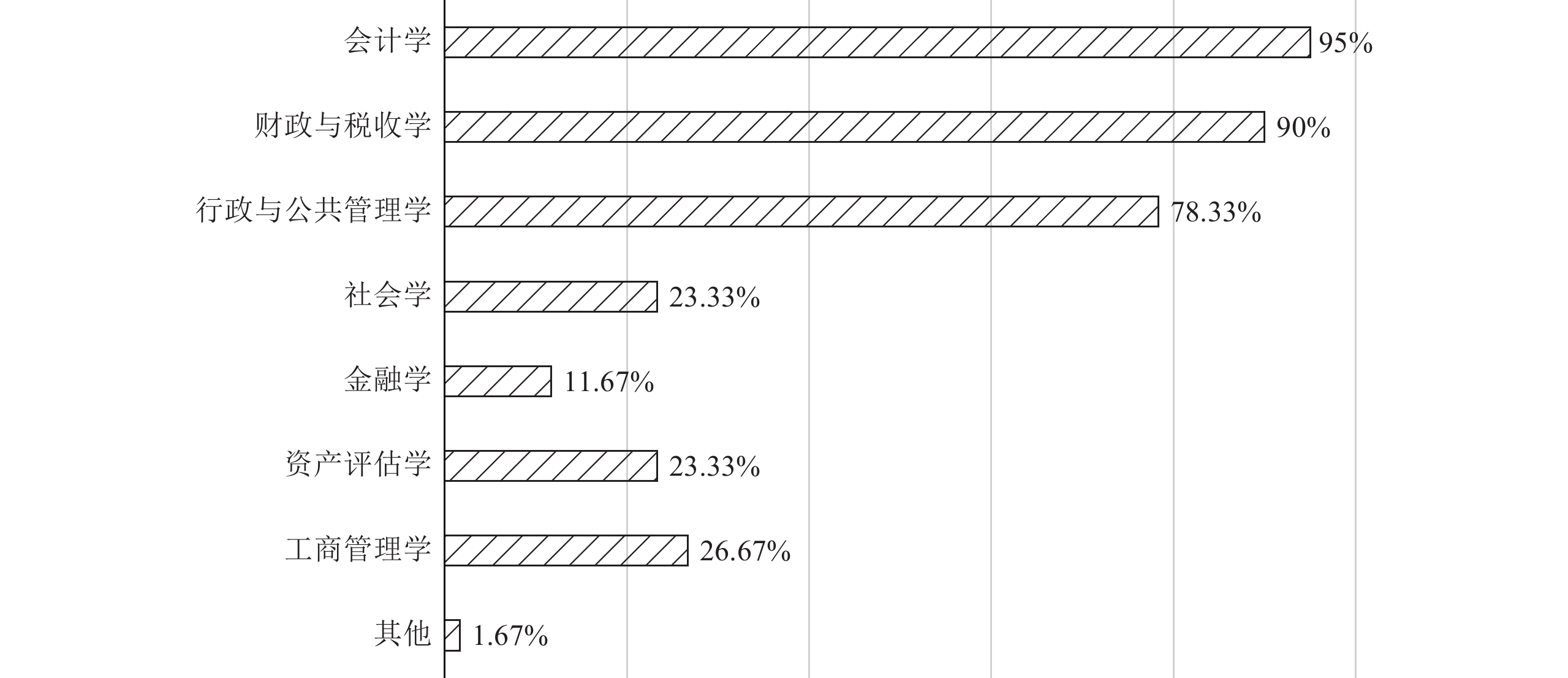
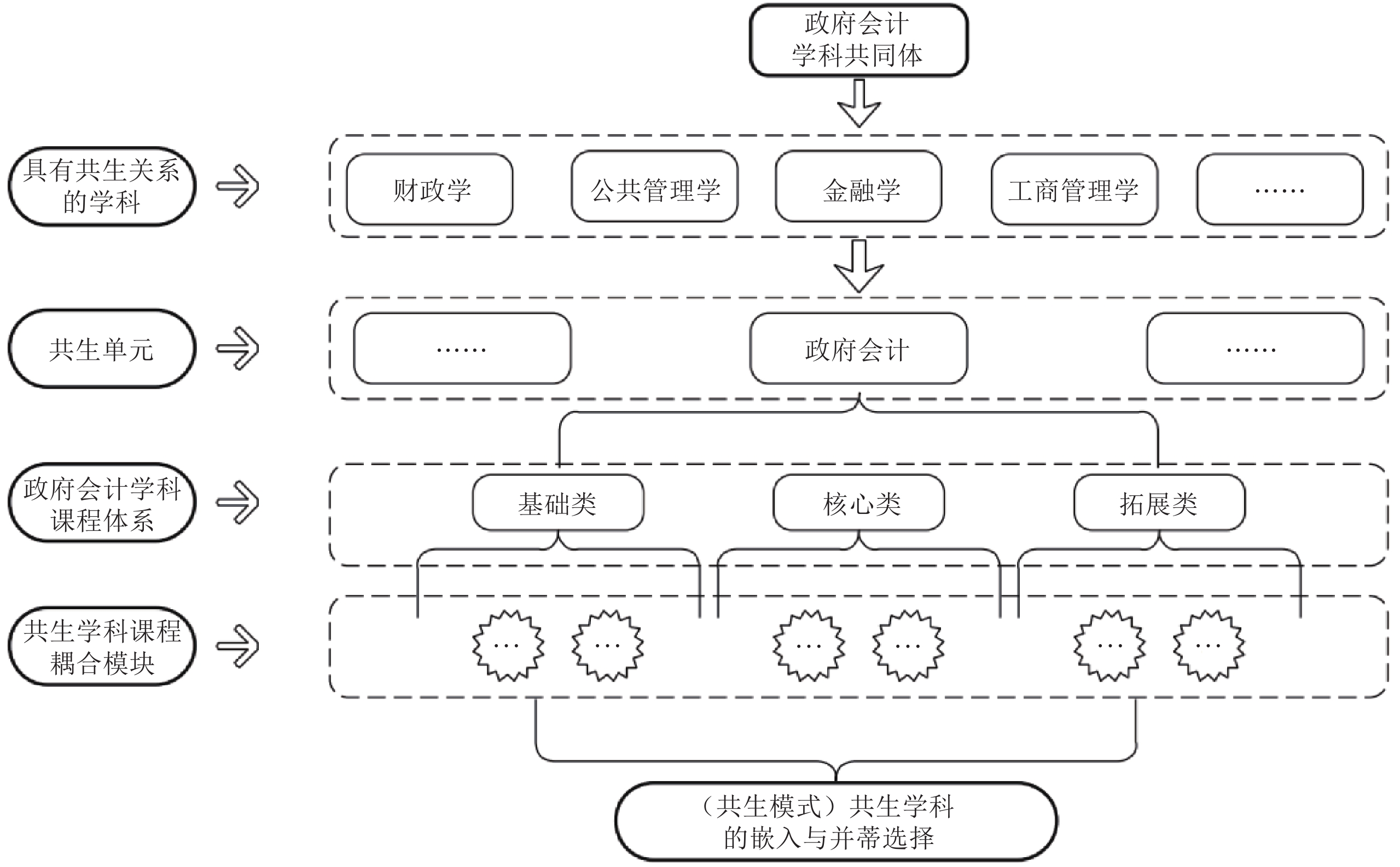
The implementation of the dual-function government accounting standards and systems aims to embed comprehensive accounting control and supervision mechanisms into the fund management systems of government organizations. Given that the scope of government accounting and its verification aligns highly with the scope of government fund flows, its knowledge system inevitably spans across distinct disciplinary categories such as economics and management science. Consequently, the cultivation of government accounting professionals necessitates symbiotic and collaborative mechanisms among these disciplines. However, survey questionnaires distributed to faculty members across universities reveal prevalent issues including unclear disciplinary positioning, narrow curriculum scopes, and inadequate curriculum systems. An effective mechanism aligned with the objectives of government accounting talent cultivation has yet to be established. Universities need to clarify the disciplinary affiliation of government accounting based on the symbiosis theory and the concept of community, construct a disciplinary community centered on the government accounting, coordinate interdisciplinary curriculum systems according to shared community goals and values, and design cross-disciplinary talent cultivation programs for government accounting. Specifically, on one hand, we can introduce related disciplines such as public administration to form an embedded community model. On the other hand, a government accounting track can be established within the accounting major, creating a parallel community model that exists alongside corporate accounting. This approach aims to cultivate interdisciplinary professionals capable of managing government funds.
The implementation of the dual-function government accounting standards and systems aims to embed comprehensive accounting control and supervision mechanisms into the fund management systems of government organizations. Given that the scope of government accounting and its verification aligns highly with the scope of government fund flows, its knowledge system inevitably spans across distinct disciplinary categories such as economics and management science. Consequently, the cultivation of government accounting professionals necessitates symbiotic and collaborative mechanisms among these disciplines. However, survey questionnaires distributed to faculty members across universities reveal prevalent issues including unclear disciplinary positioning, narrow curriculum scopes, and inadequate curriculum systems. An effective mechanism aligned with the objectives of government accounting talent cultivation has yet to be established. Universities need to clarify the disciplinary affiliation of government accounting based on the symbiosis theory and the concept of community, construct a disciplinary community centered on the government accounting, coordinate interdisciplinary curriculum systems according to shared community goals and values, and design cross-disciplinary talent cultivation programs for government accounting. Specifically, on one hand, we can introduce related disciplines such as public administration to form an embedded community model. On the other hand, a government accounting track can be established within the accounting major, creating a parallel community model that exists alongside corporate accounting. This approach aims to cultivate interdisciplinary professionals capable of managing government funds.


2025, 39(2): 113-132.
Abstract:
The regulation on shareholding reduction refers to the institutional constraints on major shareholders’ shareholding reduction transactions in listed companies. Existing research has primarily focused on the positive effects of reduction regulation, paying less attention to their negative impacts such as regulatory costs. This paper employs a difference-in-differences model, using the reduction regulation policy issued by the Securities Regulatory Commission in May 2017 as an exogenous shock, to examine the economic consequences of the regulation. The results show that reduction regulation leads to higher timing costs and information disclosure costs for major shareholders. To avoid the excessive transaction costs imposed by the regulation, major shareholders engage in tunneling for compensation, manifested as increased fund occupation, more aggressive dividend policies, and more related-party transactions. Further analysis reveals that the tunneling induced by reduction regulation is more pronounced in non-state-owned enterprises, firms with no actual reductions, and firms with a lower degree of separation between ownership and control. Moreover, Compared to control firms with lower propensity to reduce holdings, those with higher propensity are more affected by the regulation and exhibit more significant tunneling by major shareholders.
The regulation on shareholding reduction refers to the institutional constraints on major shareholders’ shareholding reduction transactions in listed companies. Existing research has primarily focused on the positive effects of reduction regulation, paying less attention to their negative impacts such as regulatory costs. This paper employs a difference-in-differences model, using the reduction regulation policy issued by the Securities Regulatory Commission in May 2017 as an exogenous shock, to examine the economic consequences of the regulation. The results show that reduction regulation leads to higher timing costs and information disclosure costs for major shareholders. To avoid the excessive transaction costs imposed by the regulation, major shareholders engage in tunneling for compensation, manifested as increased fund occupation, more aggressive dividend policies, and more related-party transactions. Further analysis reveals that the tunneling induced by reduction regulation is more pronounced in non-state-owned enterprises, firms with no actual reductions, and firms with a lower degree of separation between ownership and control. Moreover, Compared to control firms with lower propensity to reduce holdings, those with higher propensity are more affected by the regulation and exhibit more significant tunneling by major shareholders.
2025, 39(2): 133-156.
Abstract:
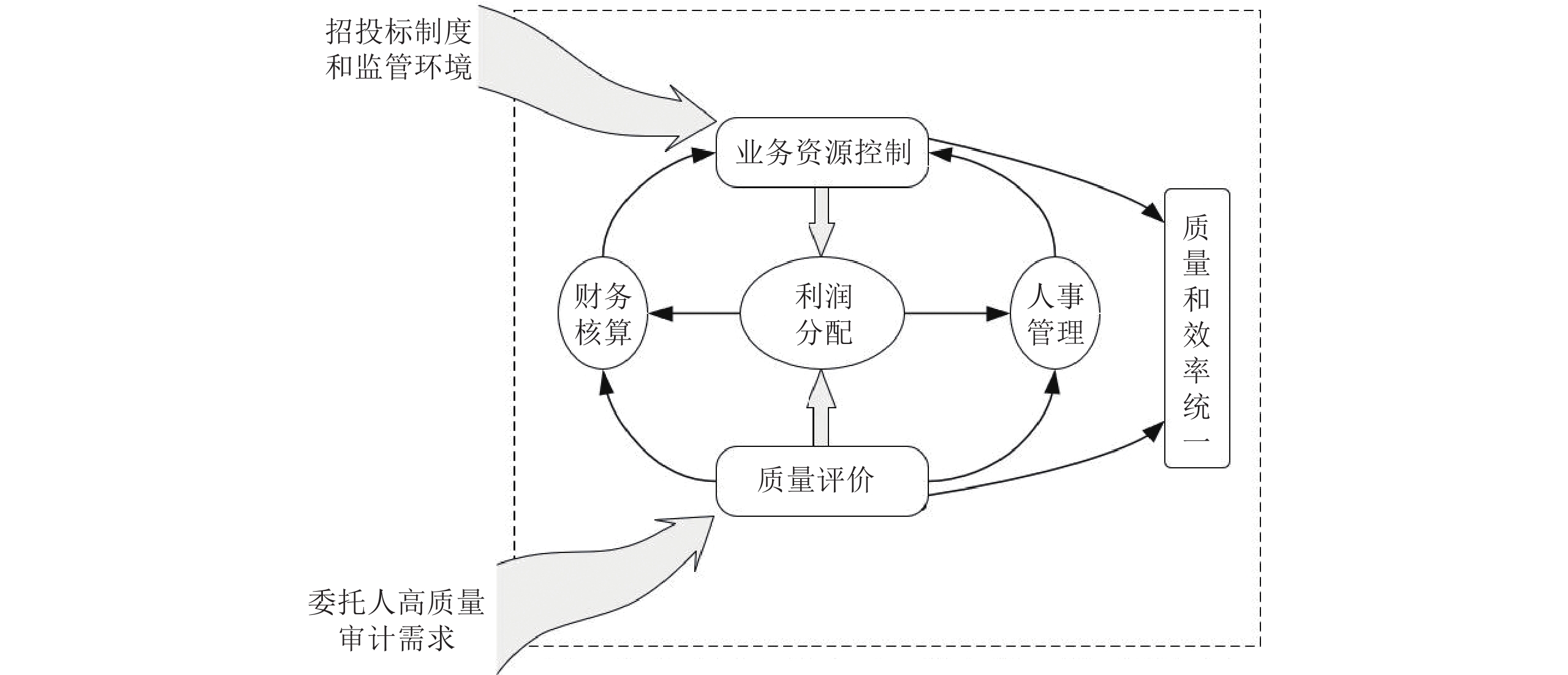
We employ game theory to analyze the connotation, characteristics, and essence of substantive integrated management in social audit institutions, and posit that substantive integrated management entails the systematic integration of core elements to achieve rational structure and organic unity, while dynamically interacting with the external environment to realize internal-external synergy. From a practical standpoint, substantive integrated management represents a secondary game between accounting firms’ headquarters and branches following their initial strategic interactions. By analyzing the underlying contradictions in integrated management, we identify three critical challenges: transitioning from formality to substance, shifting from externally imposed constraints to internally driven needs, and replacing revenue- and market-oriented performance metrics with quality- and risk-based evaluation criteria. The crux of integrated management lies in operational integration, with the substantive foundation being the unification of business sources. The proposed solution involves developing a substantive integrated management system that harmonizes the five integrations according to their respective roles and interrelationships, while accounting for external market and regulatory environments. This system aims to unify quality and efficiency objectives. Our study outlines operational principles for substantive integrated management and provides recommendations for refining the evaluation index system to advance social audit institutions from nominal to substantive integration.
We employ game theory to analyze the connotation, characteristics, and essence of substantive integrated management in social audit institutions, and posit that substantive integrated management entails the systematic integration of core elements to achieve rational structure and organic unity, while dynamically interacting with the external environment to realize internal-external synergy. From a practical standpoint, substantive integrated management represents a secondary game between accounting firms’ headquarters and branches following their initial strategic interactions. By analyzing the underlying contradictions in integrated management, we identify three critical challenges: transitioning from formality to substance, shifting from externally imposed constraints to internally driven needs, and replacing revenue- and market-oriented performance metrics with quality- and risk-based evaluation criteria. The crux of integrated management lies in operational integration, with the substantive foundation being the unification of business sources. The proposed solution involves developing a substantive integrated management system that harmonizes the five integrations according to their respective roles and interrelationships, while accounting for external market and regulatory environments. This system aims to unify quality and efficiency objectives. Our study outlines operational principles for substantive integrated management and provides recommendations for refining the evaluation index system to advance social audit institutions from nominal to substantive integration.

 Email alert
 RSS