


2025 Vol. 39, No. 4
Display Method:
2025, 39(4): 3-32.
Abstract:
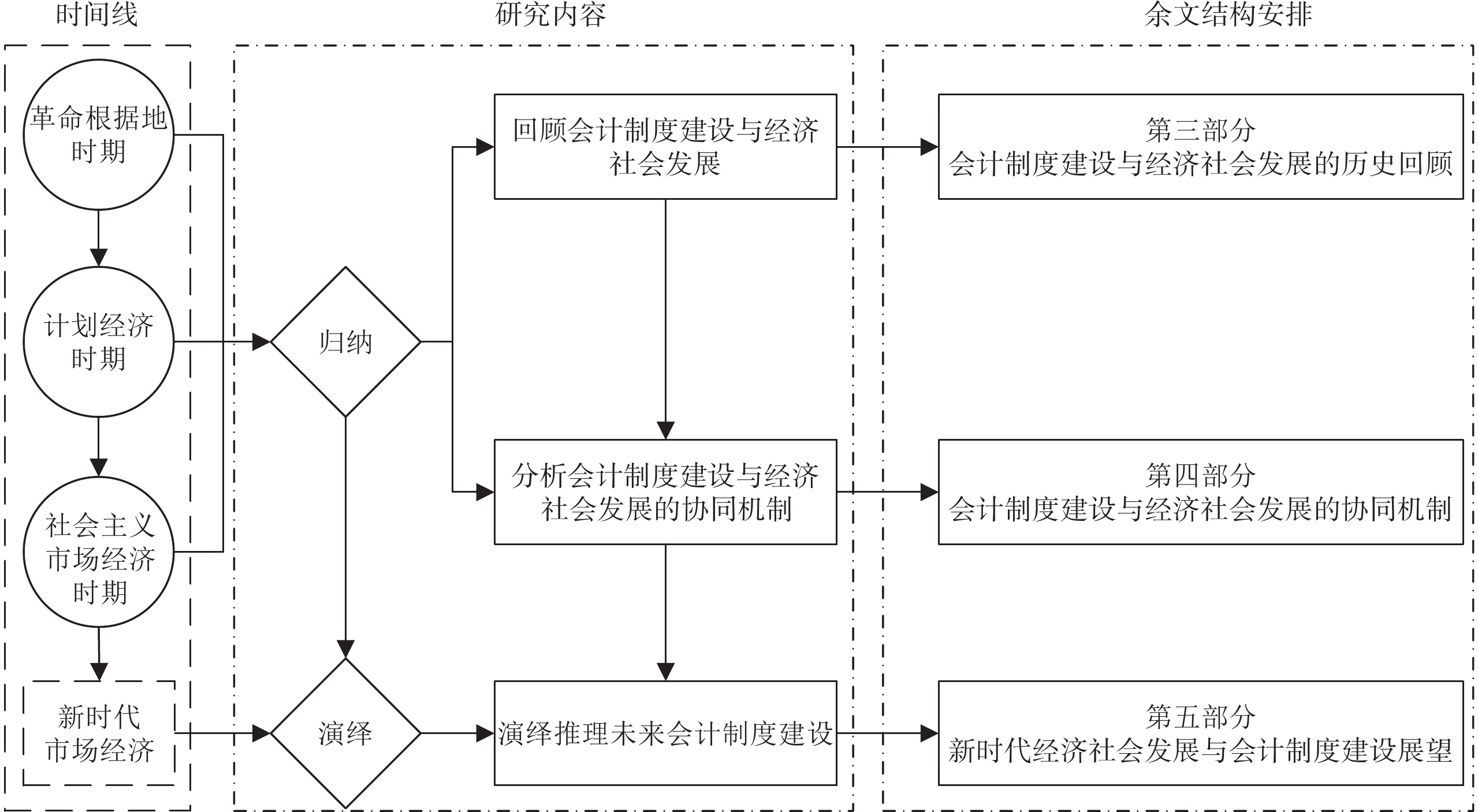
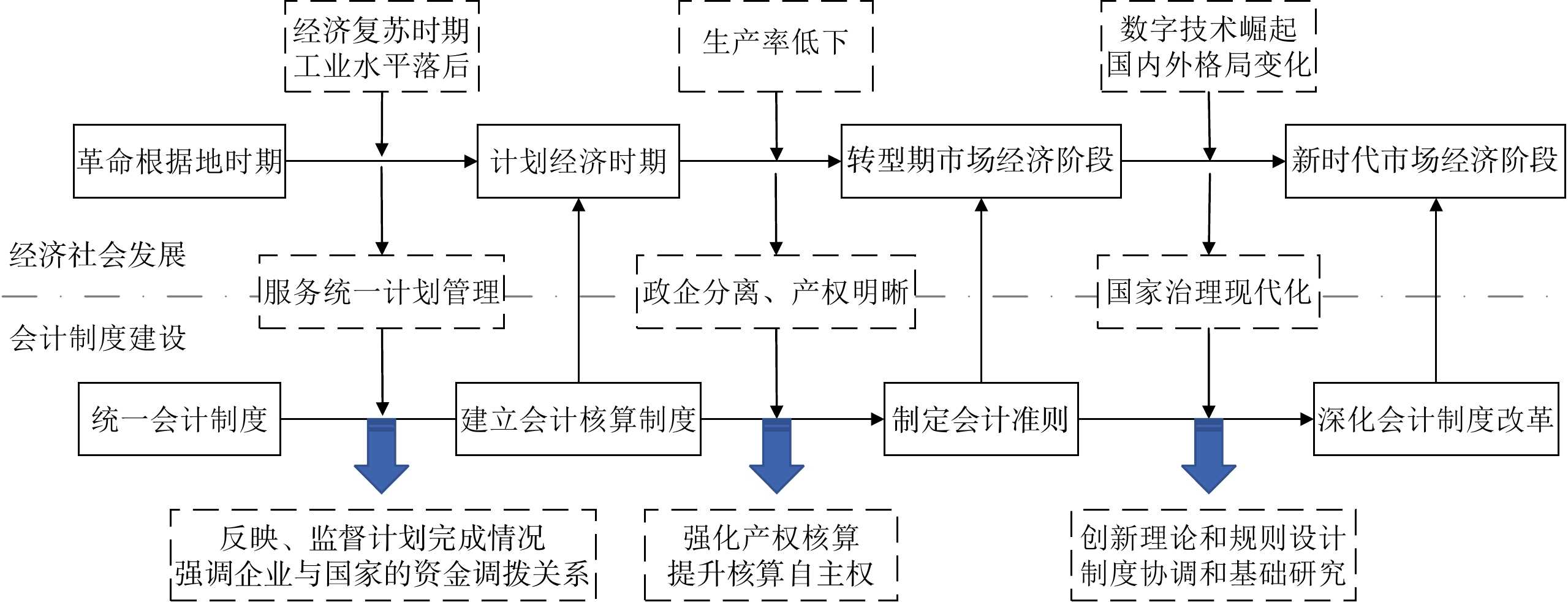
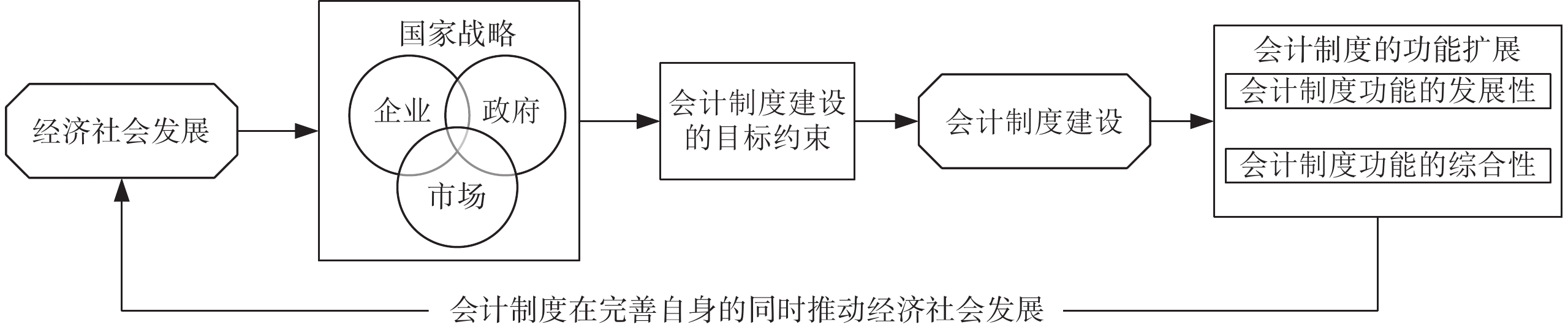
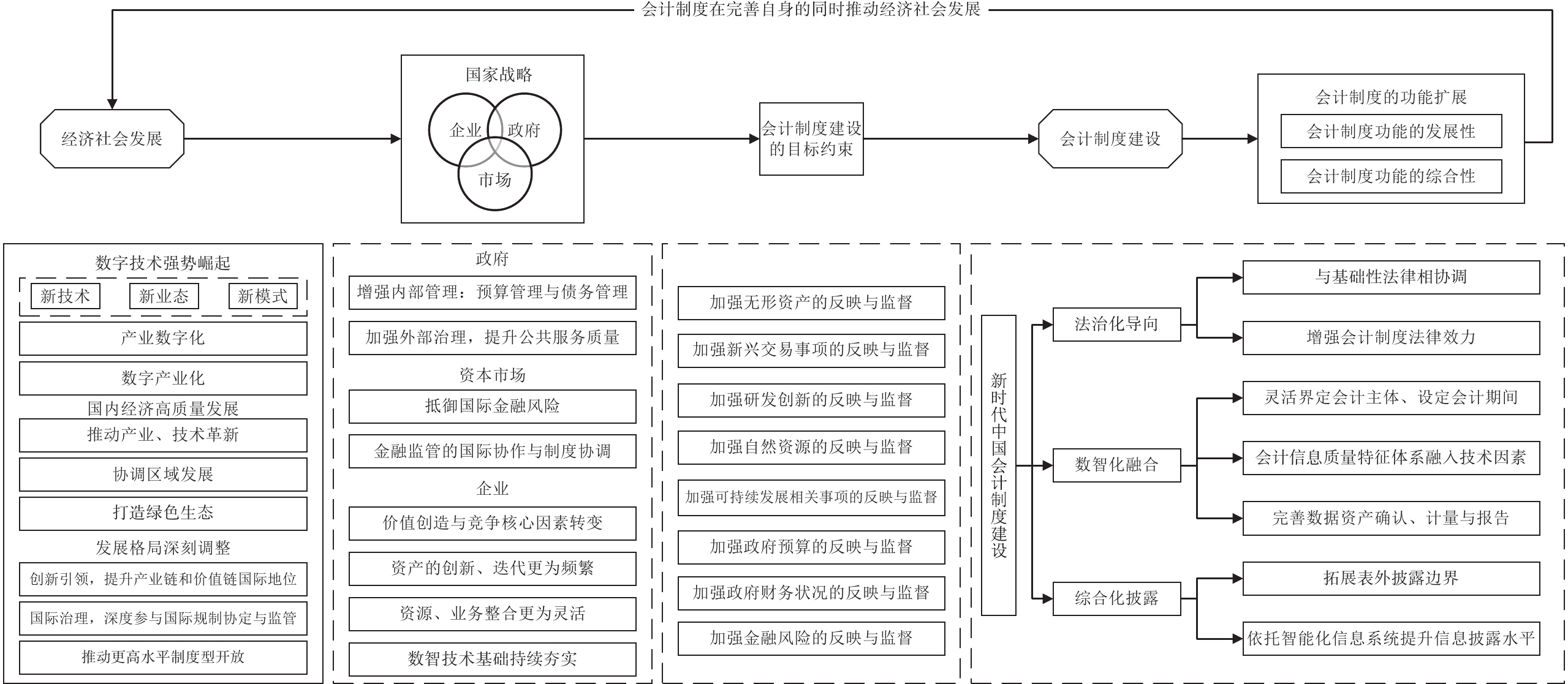
The interaction between the development of China’s accounting system construction and economic and social progress follows a distinctive practical path and demonstrates unique theoretical characteristics. Grounded in the analytical framework of historical institutionalism, this study systematically explains the mechanisms through which the economic and social environment influenced the formation and evolution of the accounting system during key historical phases in China, examines the adaptive features exhibited by the accounting system across different historical contexts and analyzes its profound impact on the economic and social development. Building on a systematic synthesis of historical trajectories, this study constructs a theoretical framework for the interactive development of the accounting system and the economic and social environment, revealing the synergistic mechanisms formed through their long-term dynamic evolution. Furthermore, focusing on the context of the new era, the study explores the practical demands placed on accounting institutional innovation by the current economic and social environment and outlines prospective developmental trends. By examining institutional forms, value orientations, and evolutionary logic, this study highlights the indigenous characteristics of China’s accounting system, offering valuable insights for constructing China’s independent accounting knowledge system and advancing accounting institutional development in the new era.
The interaction between the development of China’s accounting system construction and economic and social progress follows a distinctive practical path and demonstrates unique theoretical characteristics. Grounded in the analytical framework of historical institutionalism, this study systematically explains the mechanisms through which the economic and social environment influenced the formation and evolution of the accounting system during key historical phases in China, examines the adaptive features exhibited by the accounting system across different historical contexts and analyzes its profound impact on the economic and social development. Building on a systematic synthesis of historical trajectories, this study constructs a theoretical framework for the interactive development of the accounting system and the economic and social environment, revealing the synergistic mechanisms formed through their long-term dynamic evolution. Furthermore, focusing on the context of the new era, the study explores the practical demands placed on accounting institutional innovation by the current economic and social environment and outlines prospective developmental trends. By examining institutional forms, value orientations, and evolutionary logic, this study highlights the indigenous characteristics of China’s accounting system, offering valuable insights for constructing China’s independent accounting knowledge system and advancing accounting institutional development in the new era.
2025, 39(4): 33-49.
Abstract:
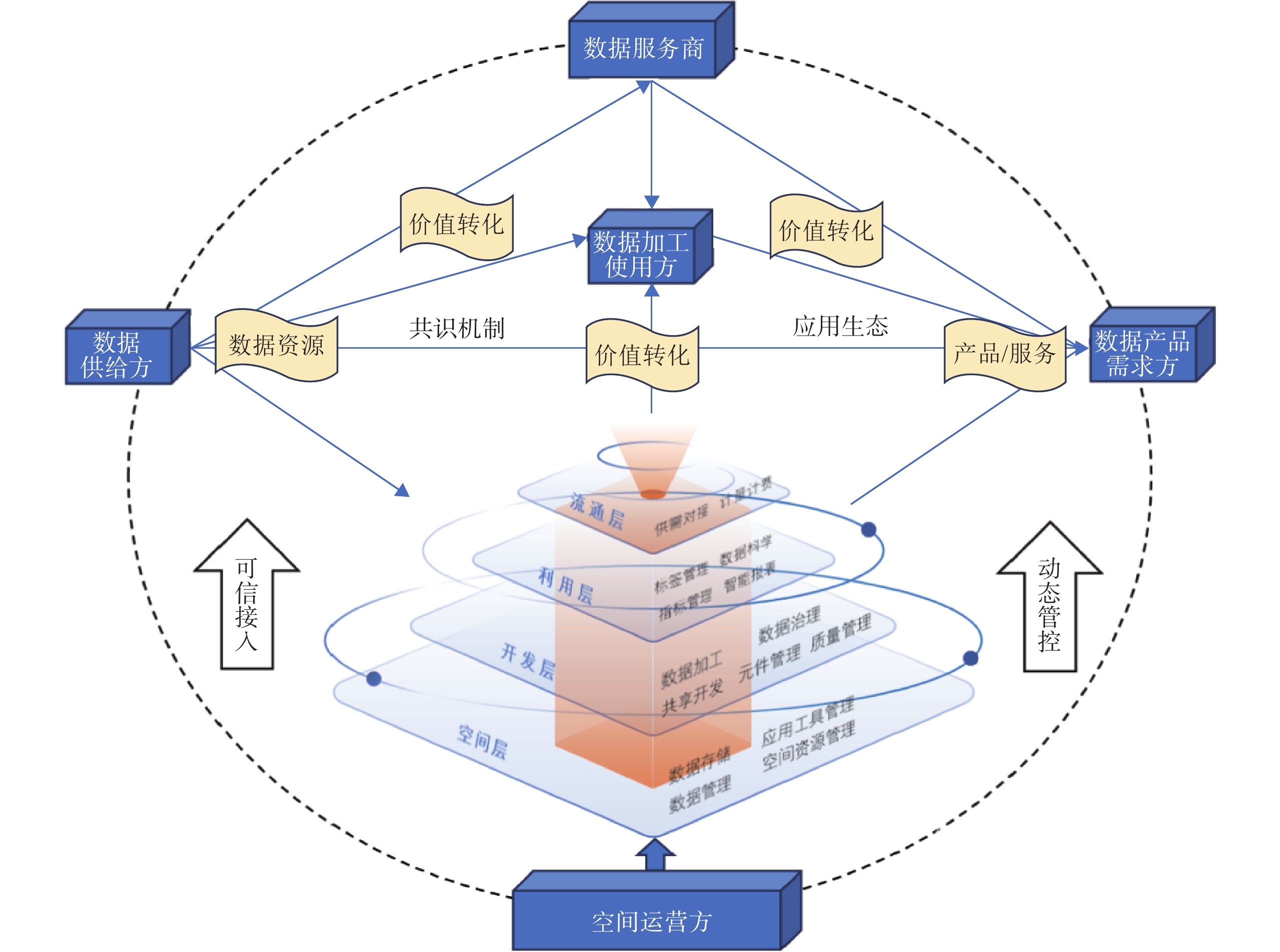
The data element market is shifting from a direct bilateral supply-and-demand trading structure to a multi-party transaction model based on trusted data spaces. However, prior research has not yet adequately explained the transaction characteristics of trusted data spaces. This study focuses on the market pricing mechanism within trusted data space, clearly clarifies transaction subjects and objects from a multi-sided market perspective, analyzes the transaction characteristics across two phases—the cold-start phase and the orderly phase—and designs corresponding pricing mechanisms. The study reveals that during the cold-start phase, the market exhibits low participant activity, difficulties in internalizing positive externalities, cost shifting, and pricing mechanism failures. To address these issues, an asymmetric pricing mechanism incorporating cost compensation and option contracts is proposed to stimulate market vitality and facilitate the transition from the cold-start phase to the orderly phase. In the orderly phase, transactions are characterized by scale, product standardization, and risk sharing. Under the principle of fair pricing, three pricing models are advanced: a cost-based fundamental fair pricing model, a market-based competitive fair pricing model, and an incentive-based revenue-sharing fair pricing model, all aimed at improving pricing efficiency in multilateral markets. This study provides a theoretical foundation for phased pricing in data multilateral markets within trusted data spaces, contributing to the development and prosperity of the data element market.
The data element market is shifting from a direct bilateral supply-and-demand trading structure to a multi-party transaction model based on trusted data spaces. However, prior research has not yet adequately explained the transaction characteristics of trusted data spaces. This study focuses on the market pricing mechanism within trusted data space, clearly clarifies transaction subjects and objects from a multi-sided market perspective, analyzes the transaction characteristics across two phases—the cold-start phase and the orderly phase—and designs corresponding pricing mechanisms. The study reveals that during the cold-start phase, the market exhibits low participant activity, difficulties in internalizing positive externalities, cost shifting, and pricing mechanism failures. To address these issues, an asymmetric pricing mechanism incorporating cost compensation and option contracts is proposed to stimulate market vitality and facilitate the transition from the cold-start phase to the orderly phase. In the orderly phase, transactions are characterized by scale, product standardization, and risk sharing. Under the principle of fair pricing, three pricing models are advanced: a cost-based fundamental fair pricing model, a market-based competitive fair pricing model, and an incentive-based revenue-sharing fair pricing model, all aimed at improving pricing efficiency in multilateral markets. This study provides a theoretical foundation for phased pricing in data multilateral markets within trusted data spaces, contributing to the development and prosperity of the data element market.
2025, 39(4): 50-73.
Abstract:
Non-task performance evaluation has gained increasing attention from both theoretical and practical fields due to its unique value. Based on questionnaire survey data, this study empirically examines the impact of non-task performance evaluation on corporate innovation and its underlying mechanisms. The findings reveal that non-task performance evaluation significantly promotes corporate innovation, a conclusion that remains robust under multiple rigorous tests. Mechanism analysis indicates that the incentive effect of non-task performance evaluation on employees differs fundamentally from that of task performance evaluation. It primarily fosters corporate innovation by enhancing employee creativity and strengthening employee stability. Further analysis shows that the synergistic application of non-task and task performance evaluation amplifies the promotion effect on corporate innovation. Moreover, the innovation incentive effect of non-task performance evaluation is more pronounced when employees exhibit stronger intrinsic motivation and when enterprises rely more heavily on creativity. Finally, economic consequence tests confirm that the innovation incentive effect of non-task performance evaluation effectively improves overall corporate performance.
Non-task performance evaluation has gained increasing attention from both theoretical and practical fields due to its unique value. Based on questionnaire survey data, this study empirically examines the impact of non-task performance evaluation on corporate innovation and its underlying mechanisms. The findings reveal that non-task performance evaluation significantly promotes corporate innovation, a conclusion that remains robust under multiple rigorous tests. Mechanism analysis indicates that the incentive effect of non-task performance evaluation on employees differs fundamentally from that of task performance evaluation. It primarily fosters corporate innovation by enhancing employee creativity and strengthening employee stability. Further analysis shows that the synergistic application of non-task and task performance evaluation amplifies the promotion effect on corporate innovation. Moreover, the innovation incentive effect of non-task performance evaluation is more pronounced when employees exhibit stronger intrinsic motivation and when enterprises rely more heavily on creativity. Finally, economic consequence tests confirm that the innovation incentive effect of non-task performance evaluation effectively improves overall corporate performance.
2025, 39(4): 74-93.
Abstract:
The core of building a unified national market lies in breaking down regional barriers, unifying market standards, and maintaining fair market competition. Using the implementation of the Fair Competition Review System as a quasi-natural experiment, this study empirically examines the impact of fair market competition on innovation in state-owned enterprises (SOEs). The findings indicate that fair market competition significantly enhances SOE innovation inputs. This effect is stronger in industries with intense competition, firms with stronger internal incentives, or those receiving greater attention from external capital markets. the impact path analysis shows that fair market competition helps to optimize the structure of human capital and thus affects the innovation of state-owned enterprises. Path analysis reveals that fair market competition promotes SOE innovation by optimizing the structure of human capital. Further analysis of economic consequences shows that fair market competition primarily improves the level of substantive innovation in SOEs, while having limited effects on strategic innovation. This study explores the impact of fair market competition on SOE innovation, and offers policy insights into how constructing a unified national market can foster high-quality economic development through improved competition mechanisms.
The core of building a unified national market lies in breaking down regional barriers, unifying market standards, and maintaining fair market competition. Using the implementation of the Fair Competition Review System as a quasi-natural experiment, this study empirically examines the impact of fair market competition on innovation in state-owned enterprises (SOEs). The findings indicate that fair market competition significantly enhances SOE innovation inputs. This effect is stronger in industries with intense competition, firms with stronger internal incentives, or those receiving greater attention from external capital markets. the impact path analysis shows that fair market competition helps to optimize the structure of human capital and thus affects the innovation of state-owned enterprises. Path analysis reveals that fair market competition promotes SOE innovation by optimizing the structure of human capital. Further analysis of economic consequences shows that fair market competition primarily improves the level of substantive innovation in SOEs, while having limited effects on strategic innovation. This study explores the impact of fair market competition on SOE innovation, and offers policy insights into how constructing a unified national market can foster high-quality economic development through improved competition mechanisms.
2025, 39(4): 94-114.
Abstract:
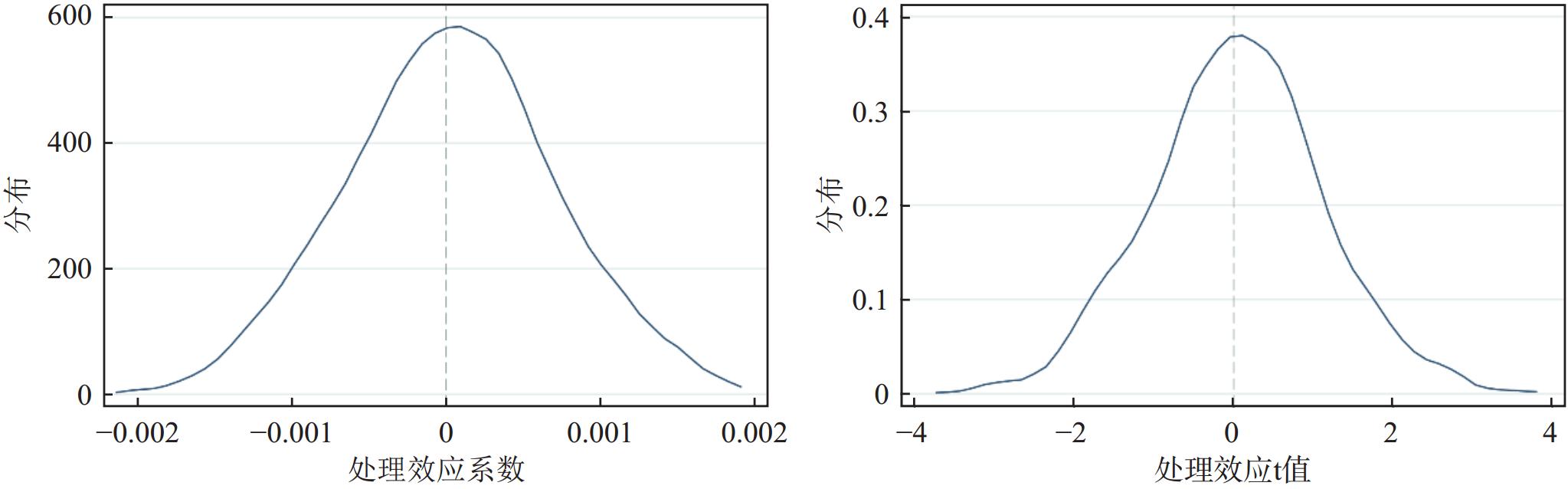
Enterprises engage in deceptive deleveraging by employing leverage manipulation such as non-share-real-debts and off-balance-sheet liabilities, which contravenes the original intent of deleveraging policies. Thus, effectively suppress corporate leverage manipulation is of great significance for promoting high-quality economic development in China. Using the implementation of Mainland-Hong Kong Stock Connect policy as an exogenous shock, we construct a difference-in-differences model to examine the impact of capital market opening on corporate leverage manipulation behavior. The findings reveal that capital market opening significantly inhibits corporate leverage manipulation. Mechanism analysis indicates that capital market opening primarily restrains leverage manipulation through financing effects, information effects, and governance effects. Heterogeneity analysis shows that this inhibitory effect is more pronounced in firms with higher separation rates between ownership and control, lower equity checks and balances, higher information asymmetry, non-state-owned enterprises, and firms with better growth potential. Tests on economic consequences demonstrate that when an enterprise becomes a target firm of the Stock Connect program, engaging in leverage manipulation leads to a higher probability of receiving a non-standard audit opinion from auditors.
Enterprises engage in deceptive deleveraging by employing leverage manipulation such as non-share-real-debts and off-balance-sheet liabilities, which contravenes the original intent of deleveraging policies. Thus, effectively suppress corporate leverage manipulation is of great significance for promoting high-quality economic development in China. Using the implementation of Mainland-Hong Kong Stock Connect policy as an exogenous shock, we construct a difference-in-differences model to examine the impact of capital market opening on corporate leverage manipulation behavior. The findings reveal that capital market opening significantly inhibits corporate leverage manipulation. Mechanism analysis indicates that capital market opening primarily restrains leverage manipulation through financing effects, information effects, and governance effects. Heterogeneity analysis shows that this inhibitory effect is more pronounced in firms with higher separation rates between ownership and control, lower equity checks and balances, higher information asymmetry, non-state-owned enterprises, and firms with better growth potential. Tests on economic consequences demonstrate that when an enterprise becomes a target firm of the Stock Connect program, engaging in leverage manipulation leads to a higher probability of receiving a non-standard audit opinion from auditors.
2025, 39(4): 115-137.
Abstract:
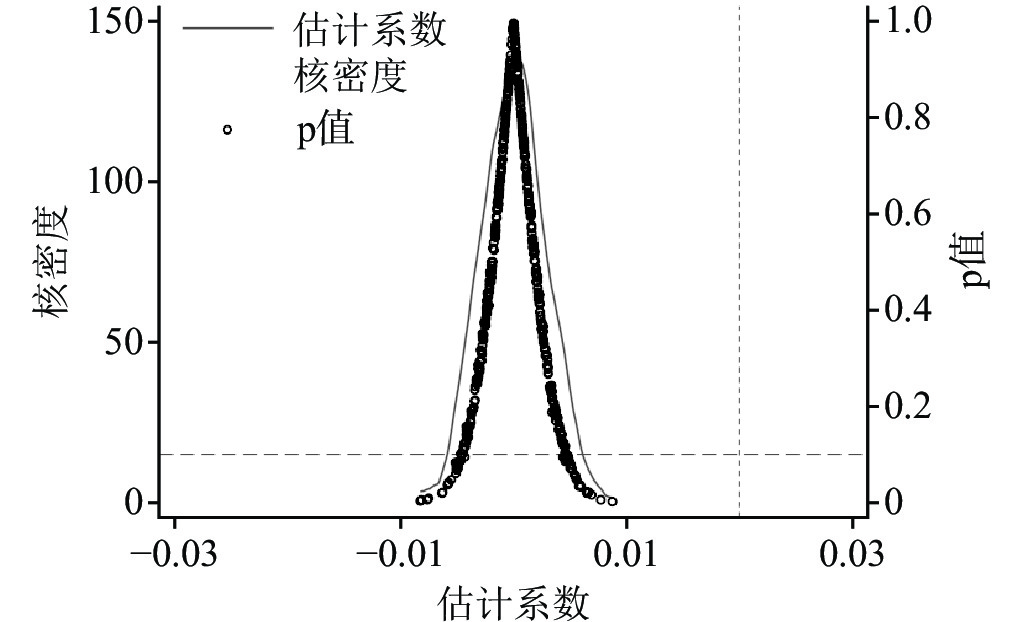
Pilot Free Trade Zones (FTZs) serve as significant testing grounds for China’s institutional opening-up in the new era, which imposes higher requirements on the regulation and information disclosure of listed companies. Using a sample of Chinese A-share listed companies from 2010 to 2022, this paper empirically finds establishment of FTZs significantly enhances the corporate demand for high-quality audits, as evidenced by increased audit fees and a greater likelihood of hiring one of the Top 10 accounting firms. Mechanism tests reveal that intensified market competition, enhanced internationalization, and rising foreign ownership are key channels driving this increased demand. Heterogeneity analyses show that the positive effect is more pronounced among firms located in eastern regions, those in non-labor-intensive industries, firms with outbound investments, and firms with lower institutional investor ownership. Further economic consequence tests indicate that the establishment of FTZs and high-quality audits jointly strengthen corporate governance, thereby alleviating financing constraints and enhancing firm value. The findings further elucidate the policy effects of FTZs and provide policy implications for guiding firms to establish quality-oriented auditor selection mechanisms, improving the information quality of capital markets, and promoting high-quality development of an open economy under the background of institutional opening-up.
Pilot Free Trade Zones (FTZs) serve as significant testing grounds for China’s institutional opening-up in the new era, which imposes higher requirements on the regulation and information disclosure of listed companies. Using a sample of Chinese A-share listed companies from 2010 to 2022, this paper empirically finds establishment of FTZs significantly enhances the corporate demand for high-quality audits, as evidenced by increased audit fees and a greater likelihood of hiring one of the Top 10 accounting firms. Mechanism tests reveal that intensified market competition, enhanced internationalization, and rising foreign ownership are key channels driving this increased demand. Heterogeneity analyses show that the positive effect is more pronounced among firms located in eastern regions, those in non-labor-intensive industries, firms with outbound investments, and firms with lower institutional investor ownership. Further economic consequence tests indicate that the establishment of FTZs and high-quality audits jointly strengthen corporate governance, thereby alleviating financing constraints and enhancing firm value. The findings further elucidate the policy effects of FTZs and provide policy implications for guiding firms to establish quality-oriented auditor selection mechanisms, improving the information quality of capital markets, and promoting high-quality development of an open economy under the background of institutional opening-up.
2025, 39(4): 138-157.
Abstract:
Share repurchase is a fundamental institutional arrangement in capital markets. Distinct from the international practice of share cancellation following repurchases, a substantial proportion of share repurchases in China’s capital market are conducted for equity incentive purposes. Based on a sample of voluntary share repurchases initiated by Chinese listed firms from 2005 to 2022, this paper employs an event study methodology to examine how the equity incentive purpose of share repurchases affects the firm value. The findings indicate that: (1) the equity incentive purpose of share repurchases significantly weakens the market reaction to repurchase proposal announcements, exhibiting a value-destroying effect; (2) compared with repurchases for cancellation or market value management purposes, those for equity incentives causesignificantly weaker positive market responses; (3) the value-destroying effect is more pronounced for firms with prior regulatory penalties or a history of welfare-oriented equity incentives; (4) the value-destroying effect of equity incentive-motivated repurchases is more significant when firms exhibit lower repurchase information transparency, poorer earnings quality, or lower dividend payout ratios. These results suggest that the equity incentive purpose of share repurchases fails to effectively protect investor interests. Not only does it fail to generate the value-enhancing effects associated with post-repurchase cancellation, but it may also induce managerial rent-seeking behaviors, thereby damaging investor interests. The study provides insightful policy implications for improving the share repurchase system in China’s capital market.
Share repurchase is a fundamental institutional arrangement in capital markets. Distinct from the international practice of share cancellation following repurchases, a substantial proportion of share repurchases in China’s capital market are conducted for equity incentive purposes. Based on a sample of voluntary share repurchases initiated by Chinese listed firms from 2005 to 2022, this paper employs an event study methodology to examine how the equity incentive purpose of share repurchases affects the firm value. The findings indicate that: (1) the equity incentive purpose of share repurchases significantly weakens the market reaction to repurchase proposal announcements, exhibiting a value-destroying effect; (2) compared with repurchases for cancellation or market value management purposes, those for equity incentives causesignificantly weaker positive market responses; (3) the value-destroying effect is more pronounced for firms with prior regulatory penalties or a history of welfare-oriented equity incentives; (4) the value-destroying effect of equity incentive-motivated repurchases is more significant when firms exhibit lower repurchase information transparency, poorer earnings quality, or lower dividend payout ratios. These results suggest that the equity incentive purpose of share repurchases fails to effectively protect investor interests. Not only does it fail to generate the value-enhancing effects associated with post-repurchase cancellation, but it may also induce managerial rent-seeking behaviors, thereby damaging investor interests. The study provides insightful policy implications for improving the share repurchase system in China’s capital market.

 Email alert
 RSS