


2025 Vol. 39, No. 5
Display Method:
2025, 39(5): 3-14.
Abstract:
Building an independent accounting standards system with Chinese characteristics is an important practice in establishing a self-sustained Chinese accounting knowledge system, which also serves as a foundational institutional arrangement for advancing national governance modernization, safeguarding economic security, and promoting high-quality development. Guided by General Secretary Xi Jinping’s important discourses on building an independent knowledge system for philosophy and social sciences with Chinese characteristics, this paper systematically analyzes the deep-seated contradictions inherent in the current convergence model between China’s accounting standards and the International Financial Reporting Standards (IFRS), and clarifies the strategic necessity and urgency of building an independent accounting standard system with Chinese characteristics. This paper argues for adhering to the principle of “rooted in China, with a global vision”, and forms an independent accounting standard system with Chinese characteristics that integrates principle-based and rule-based standards, bridges theoretical innovation with practical needs, and balances autonomy with openness through innovations in standard-setting mechanisms, enhanced digital and intelligent technological empowerment, cultivation of an independent professional talent pool, and improved supervision and evaluation systems. Such a system will provide a solid accounting system guarantee for Chinese path to modernization.
Building an independent accounting standards system with Chinese characteristics is an important practice in establishing a self-sustained Chinese accounting knowledge system, which also serves as a foundational institutional arrangement for advancing national governance modernization, safeguarding economic security, and promoting high-quality development. Guided by General Secretary Xi Jinping’s important discourses on building an independent knowledge system for philosophy and social sciences with Chinese characteristics, this paper systematically analyzes the deep-seated contradictions inherent in the current convergence model between China’s accounting standards and the International Financial Reporting Standards (IFRS), and clarifies the strategic necessity and urgency of building an independent accounting standard system with Chinese characteristics. This paper argues for adhering to the principle of “rooted in China, with a global vision”, and forms an independent accounting standard system with Chinese characteristics that integrates principle-based and rule-based standards, bridges theoretical innovation with practical needs, and balances autonomy with openness through innovations in standard-setting mechanisms, enhanced digital and intelligent technological empowerment, cultivation of an independent professional talent pool, and improved supervision and evaluation systems. Such a system will provide a solid accounting system guarantee for Chinese path to modernization.
2025, 39(5): 15-37.
Abstract:
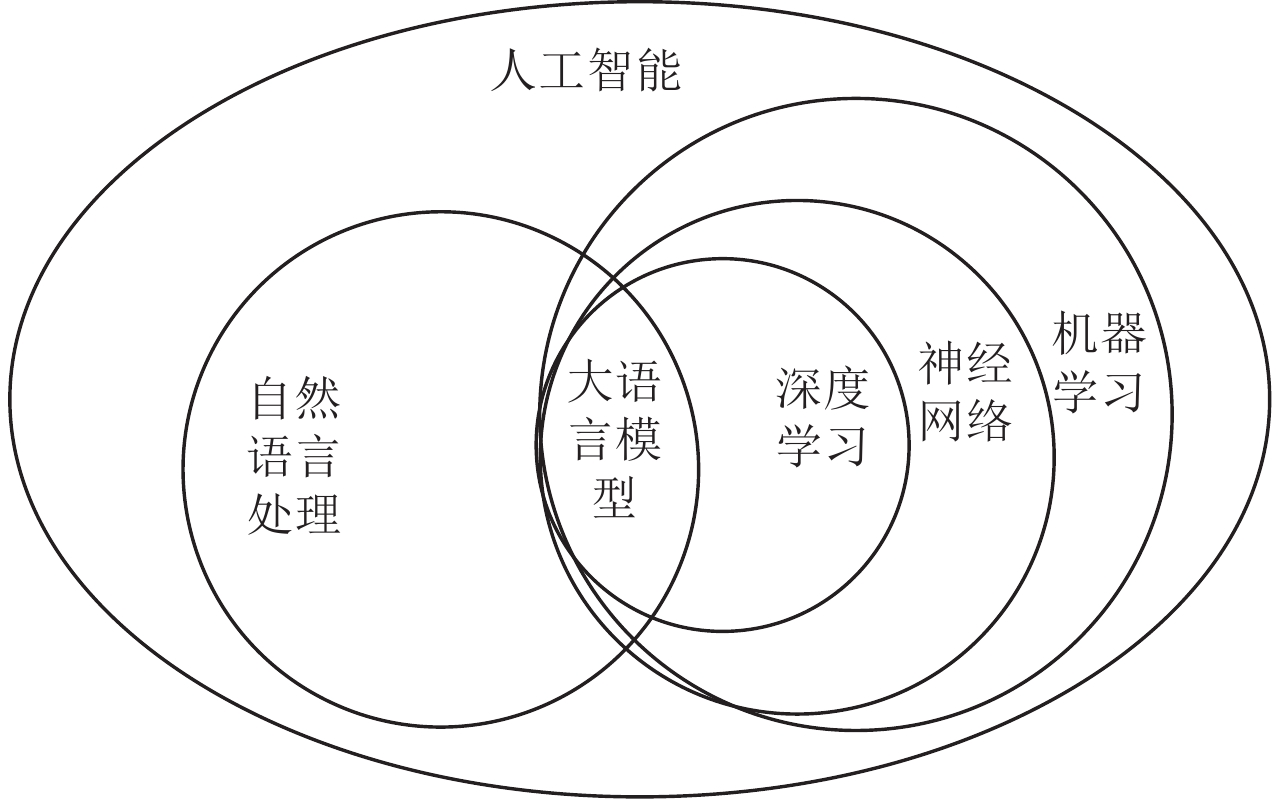
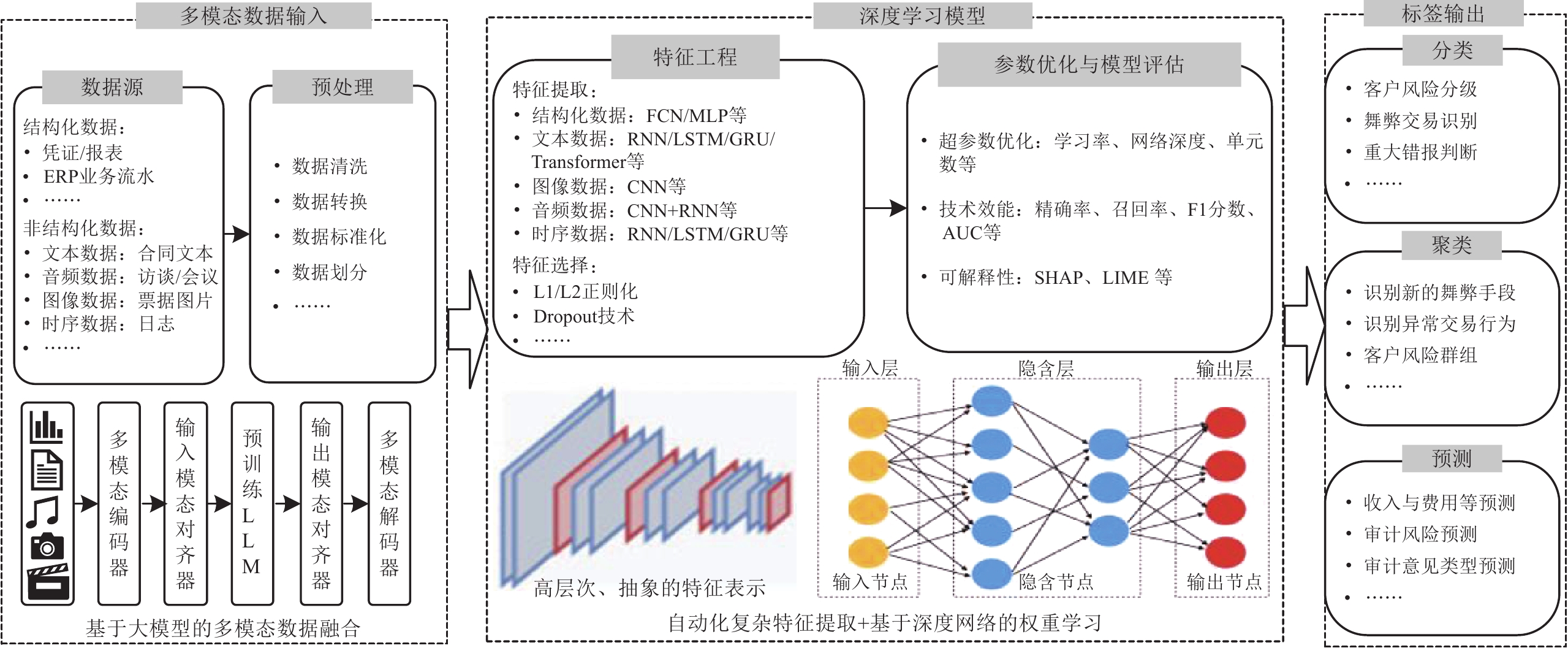
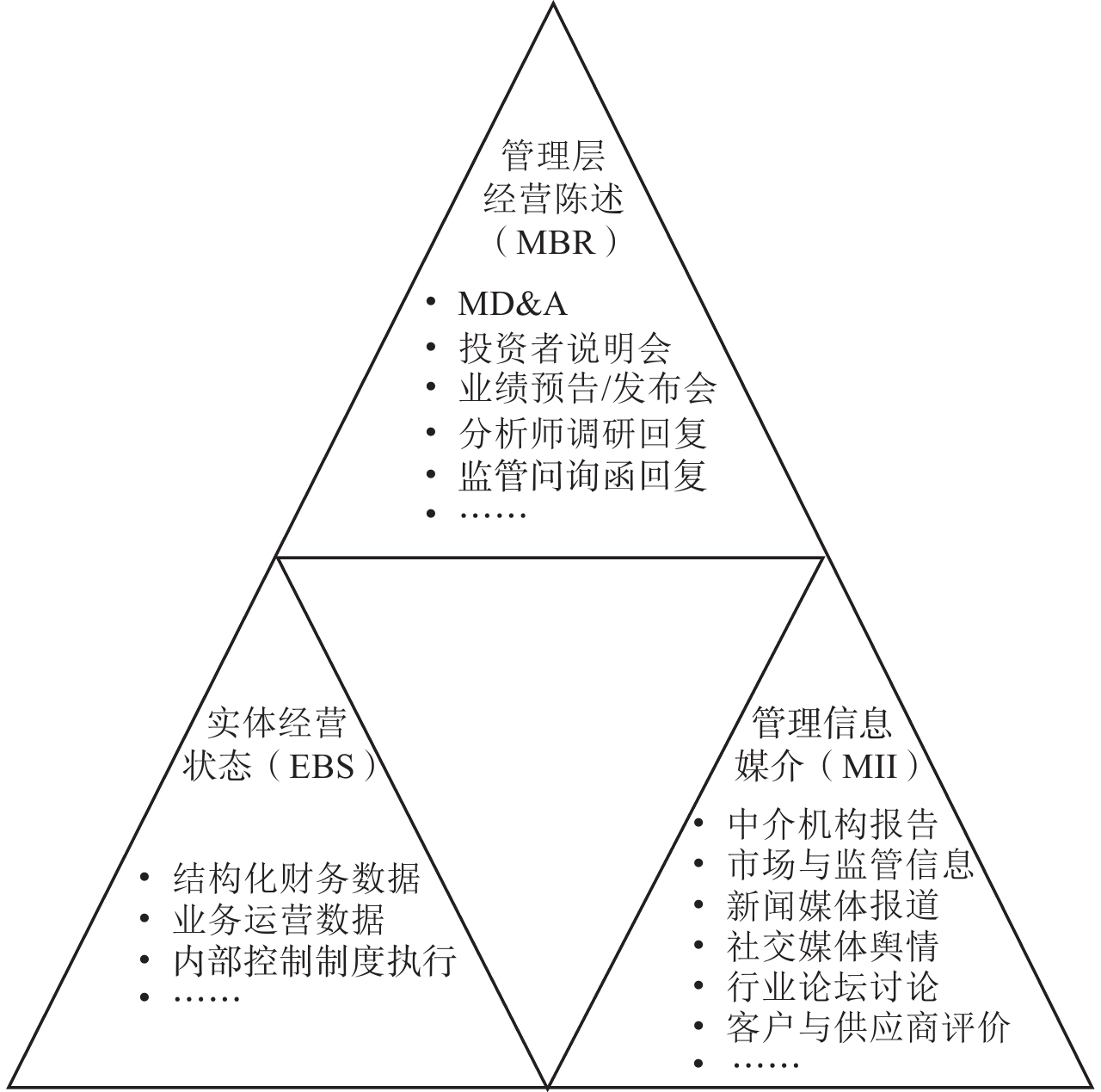
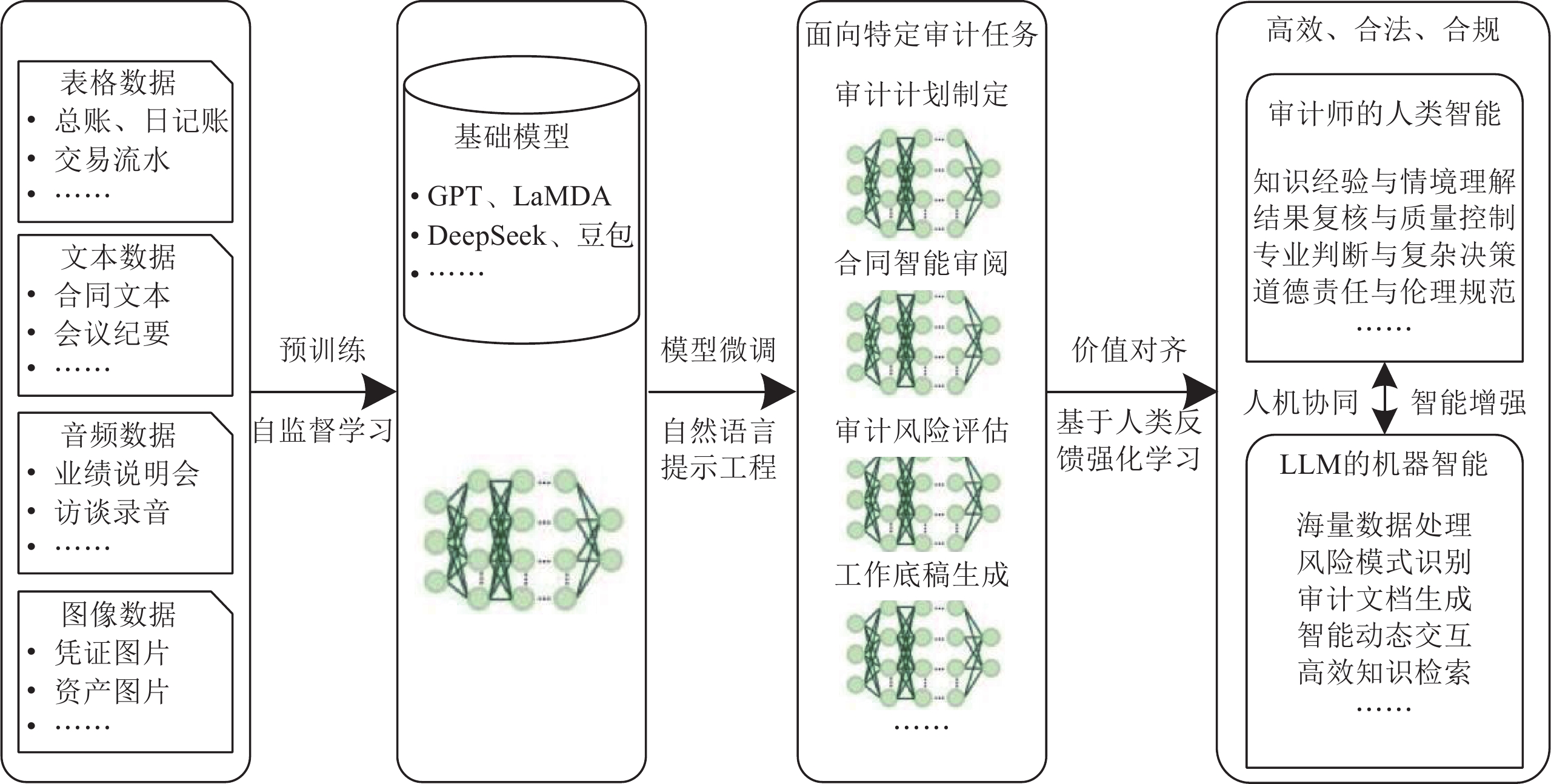
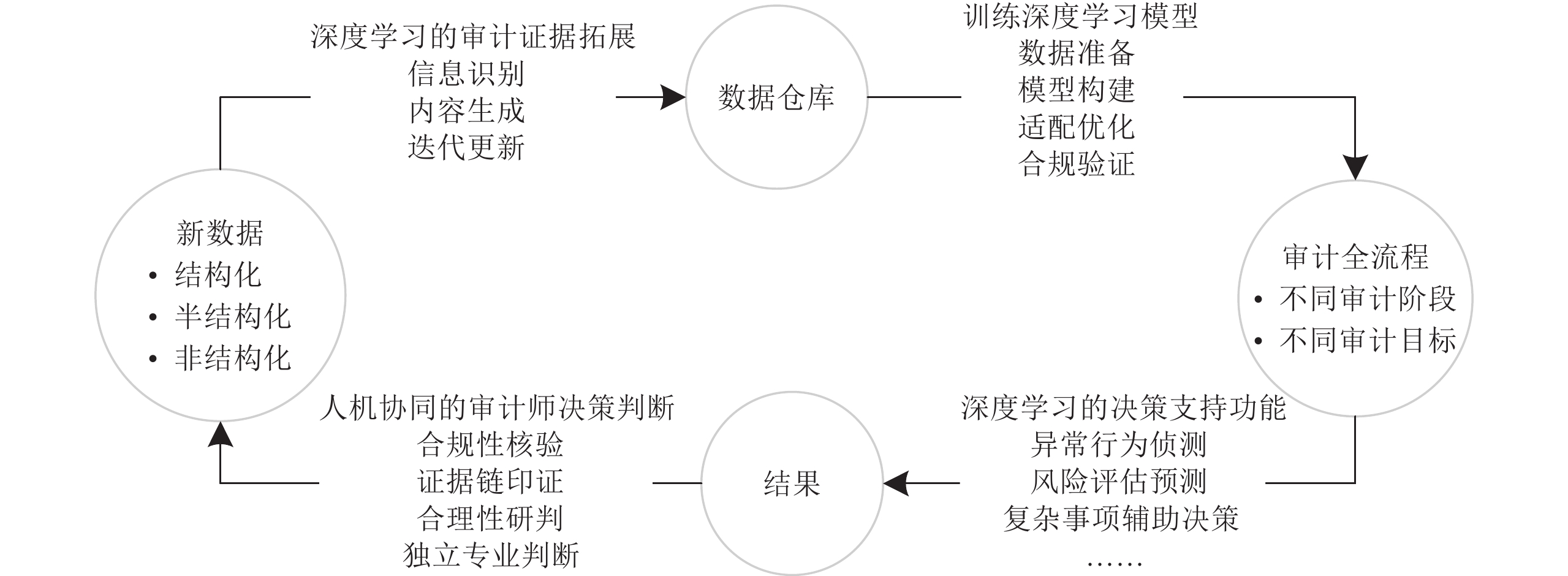
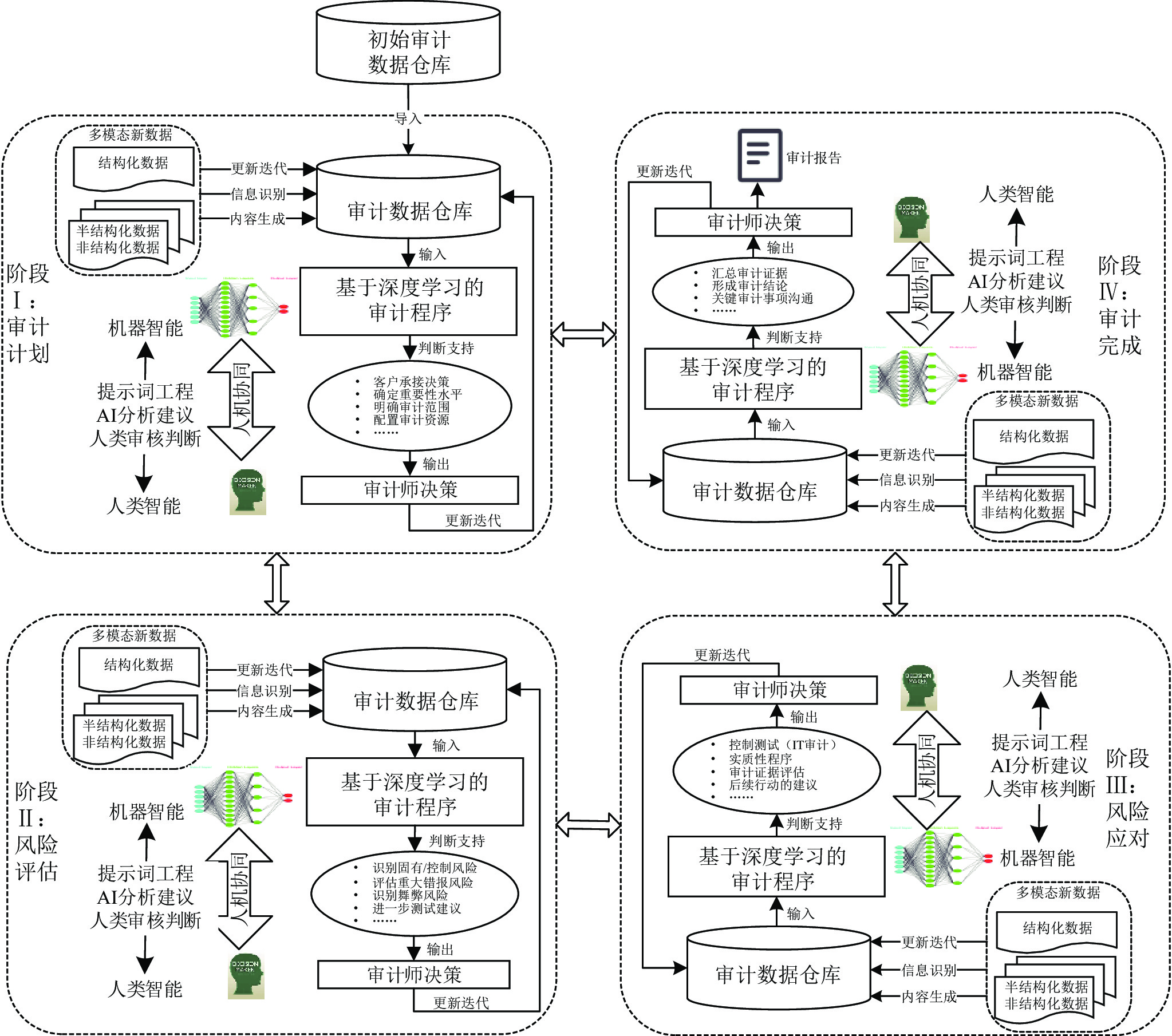
Based on the technical advantages of deep learning models in multimodal data recognition, predictive analysis and decision support, semantic understanding and content generation, this study systematically reconstructs their functional architecture and application pathways in the audit field. Considering the high dependence of deep learning models on data-driven features, the study begins with the continuous iterative updating of audit data warehouses. It constructs an integrated application framework covering the full audit process—including planning, implementation, and reporting phases—to promote the deep integration of the intelligent self-learning mechanisms of deep learning with the professional knowledge and experience of human auditors. This integration aims to achieve synergistic effects between machine intelligence and human intelligence in uncertain judgment, risk identification, and evidence evaluation. In response to practical challenges such as high technical investment, high system complexity, and implementation difficulties that deep learning models may face in audit practice, the study proposes differentiated coping strategies from the perspectives of three core stakeholders in the audit ecosystem: accounting firms, regulatory bodies, and auditors. The study aims to provide theoretical guidance and practical insights for deepening the trustworthy, controllable, and sustainable application of artificial intelligence technology in audit scenarios.
Based on the technical advantages of deep learning models in multimodal data recognition, predictive analysis and decision support, semantic understanding and content generation, this study systematically reconstructs their functional architecture and application pathways in the audit field. Considering the high dependence of deep learning models on data-driven features, the study begins with the continuous iterative updating of audit data warehouses. It constructs an integrated application framework covering the full audit process—including planning, implementation, and reporting phases—to promote the deep integration of the intelligent self-learning mechanisms of deep learning with the professional knowledge and experience of human auditors. This integration aims to achieve synergistic effects between machine intelligence and human intelligence in uncertain judgment, risk identification, and evidence evaluation. In response to practical challenges such as high technical investment, high system complexity, and implementation difficulties that deep learning models may face in audit practice, the study proposes differentiated coping strategies from the perspectives of three core stakeholders in the audit ecosystem: accounting firms, regulatory bodies, and auditors. The study aims to provide theoretical guidance and practical insights for deepening the trustworthy, controllable, and sustainable application of artificial intelligence technology in audit scenarios.
2025, 39(5): 38-62.
Abstract:
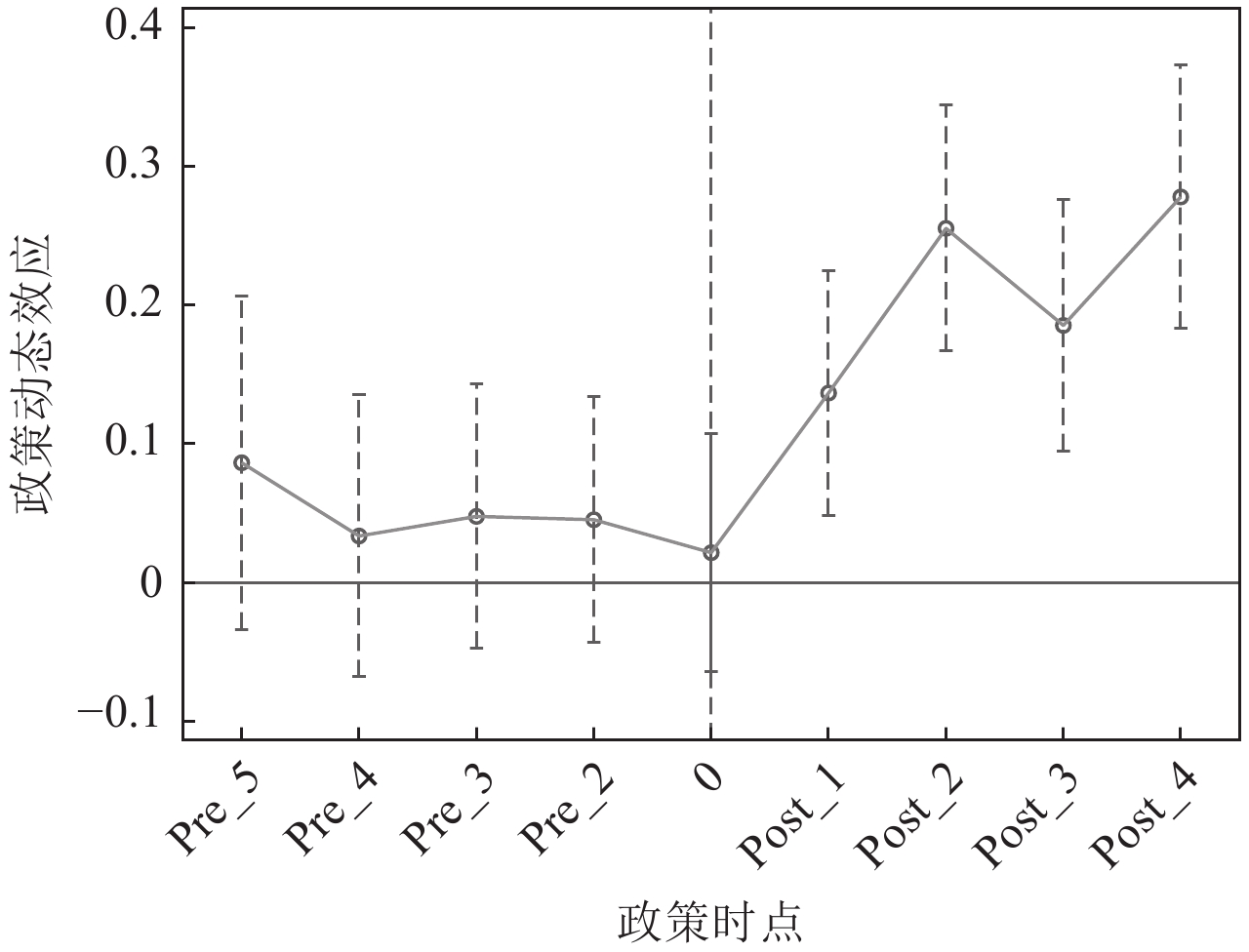
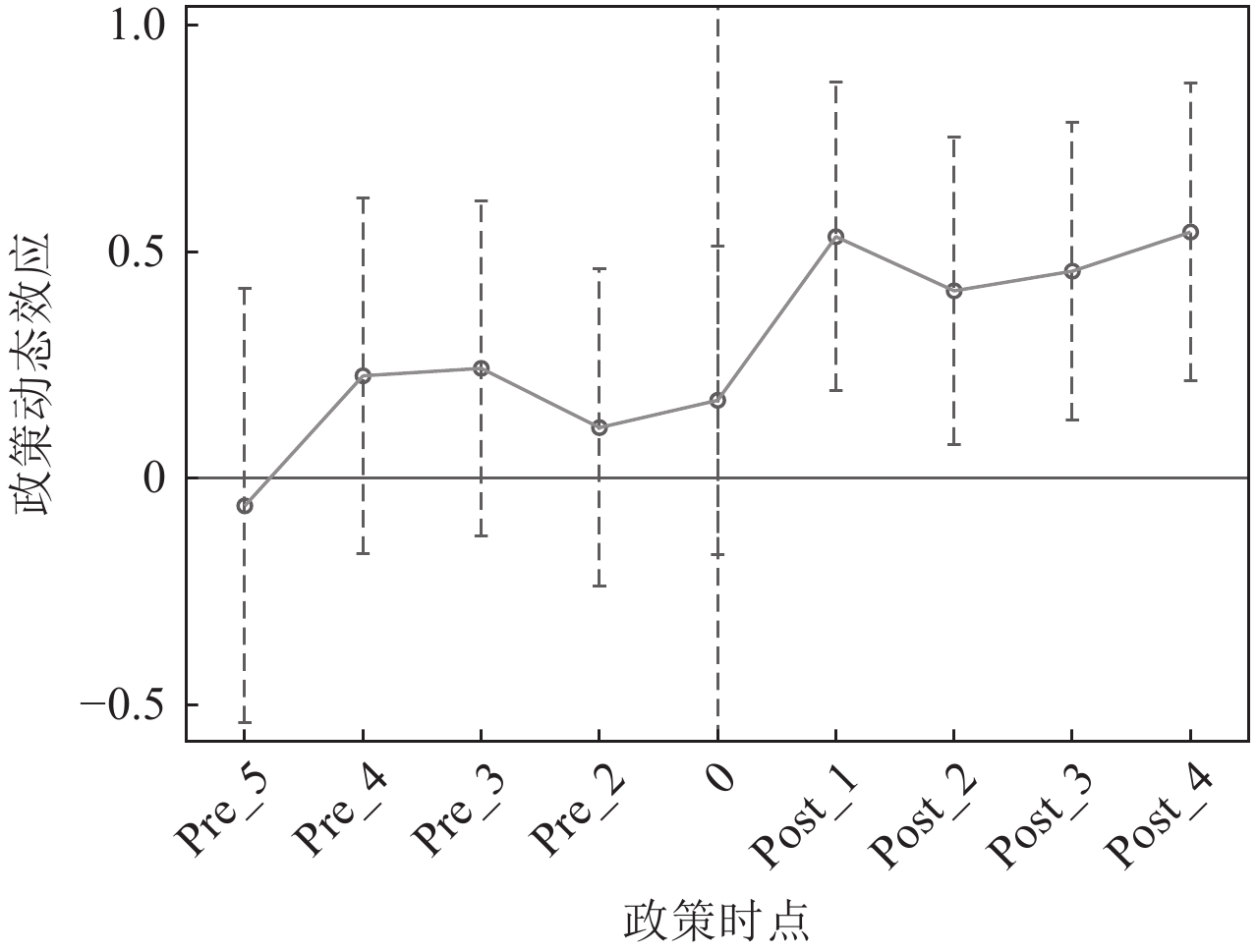
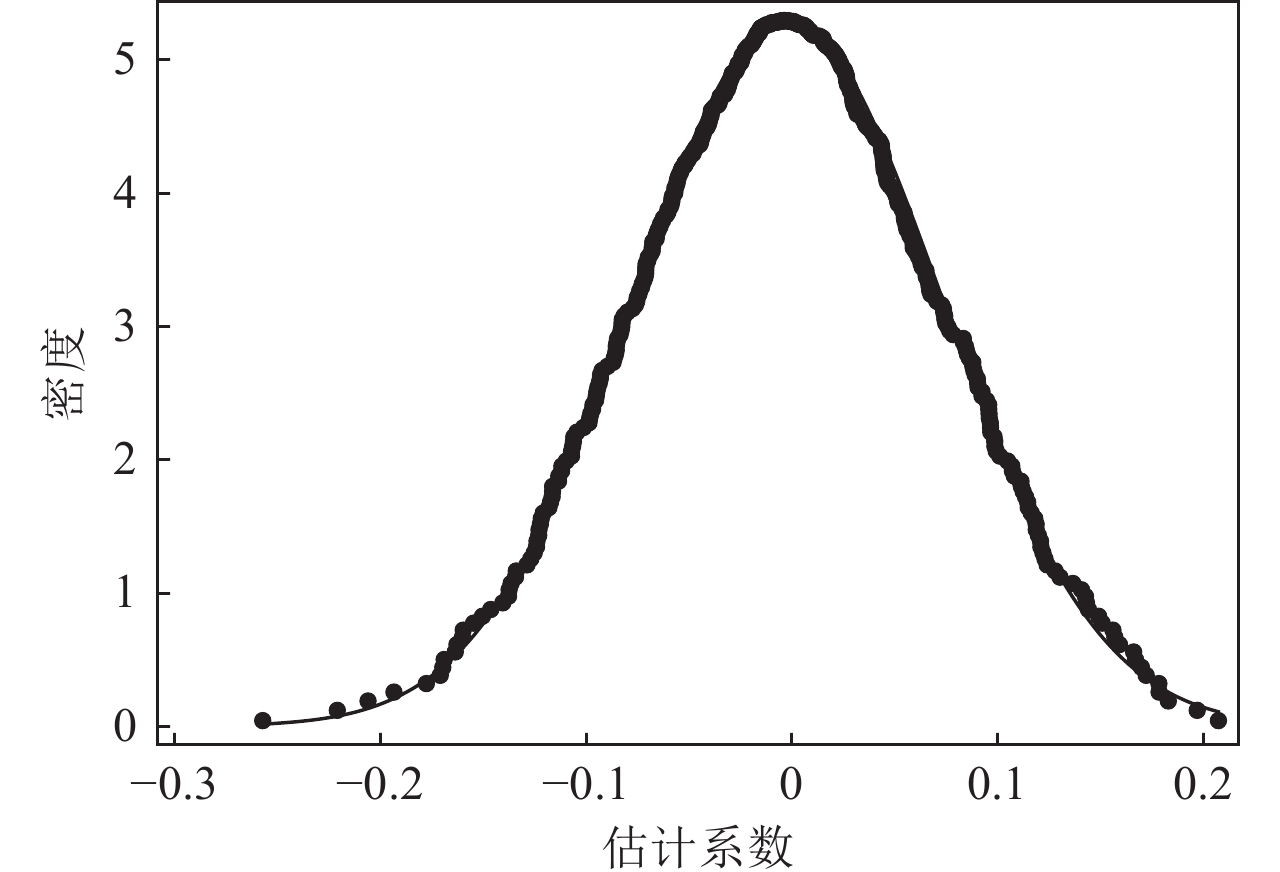
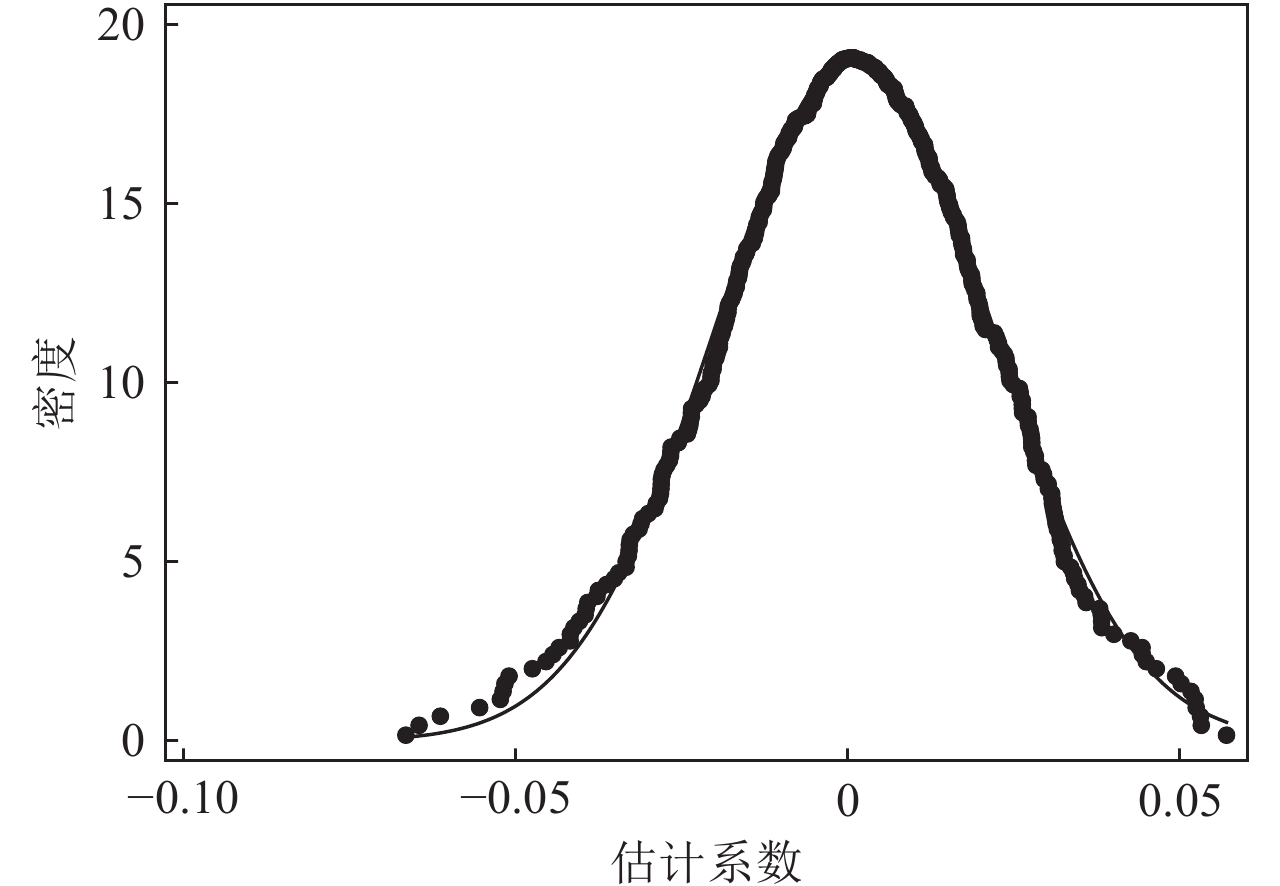
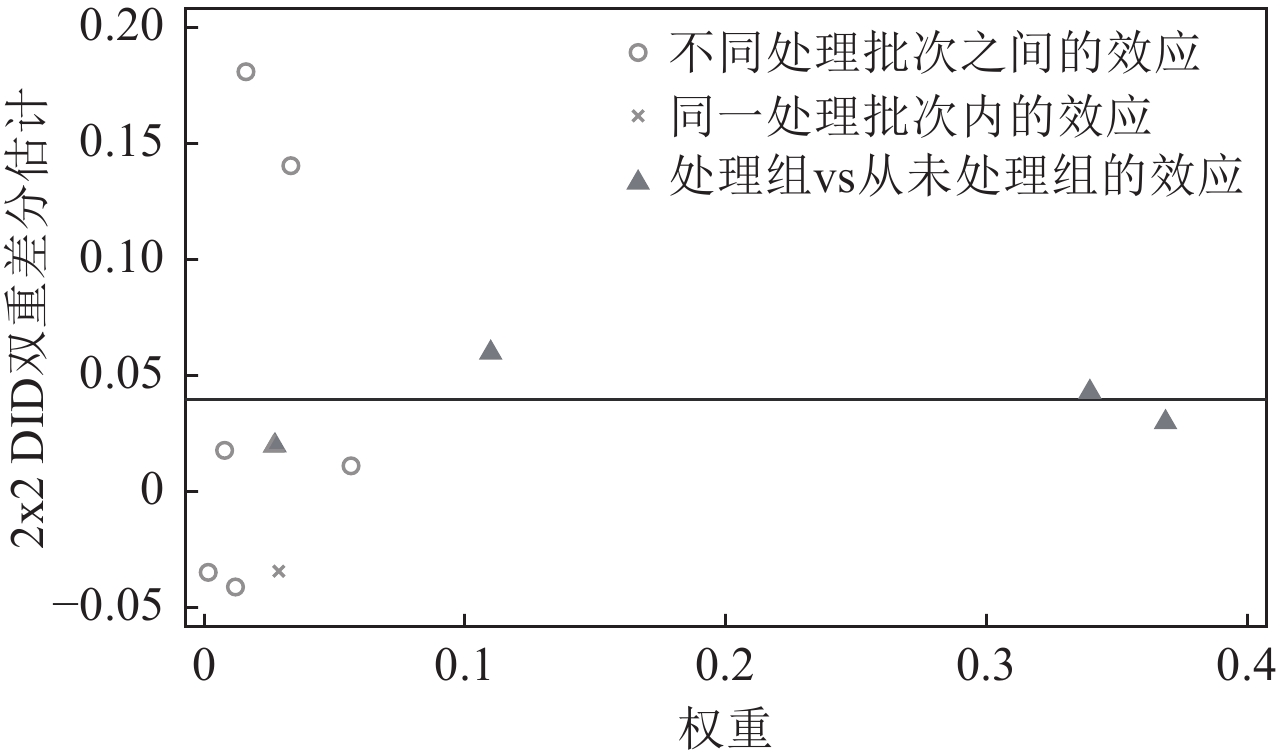
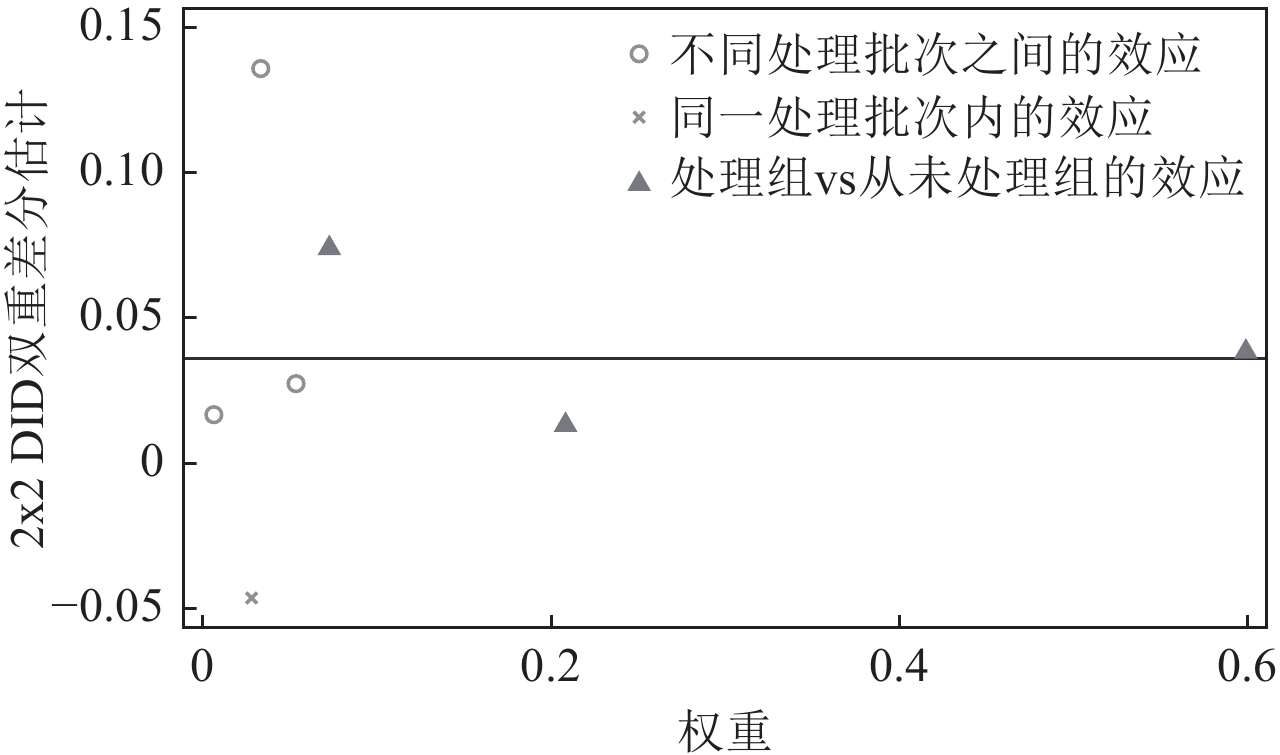
This study takes the establishment of the National New-generation Artificial Intelligence Innovation Pilot Zones as a quasi-natural experiment to examine the impact and underlying mechanism of artificial intelligence policies on core business concentration of state-owned enterprises. The empirical results reveal that the policy of artificial intelligence pilot zones significantly promotes core business concentration among state-owned enterprises. Mechanism analysis indicates that the policy functions through three channels: supervision and governance, resource allocation, and human capital. Heterogeneity analysis shows that the positive effect is more pronounced for firms in high-tech industries, located in cities with advanced digital infrastructure, and in regions with a higher degree of marketization. Further analysis suggests that the policy of artificial intelligence pilot zones enhances the core competitiveness of state-owned enterprises while empowering them to focus on their core business. This study provides theoretical insights into how AI-related policies influence corporate strategic behaviors, and offers practical implications for the government to further advance the “AI+” initiative and guide state-owned enterprises to focus on their core business.
This study takes the establishment of the National New-generation Artificial Intelligence Innovation Pilot Zones as a quasi-natural experiment to examine the impact and underlying mechanism of artificial intelligence policies on core business concentration of state-owned enterprises. The empirical results reveal that the policy of artificial intelligence pilot zones significantly promotes core business concentration among state-owned enterprises. Mechanism analysis indicates that the policy functions through three channels: supervision and governance, resource allocation, and human capital. Heterogeneity analysis shows that the positive effect is more pronounced for firms in high-tech industries, located in cities with advanced digital infrastructure, and in regions with a higher degree of marketization. Further analysis suggests that the policy of artificial intelligence pilot zones enhances the core competitiveness of state-owned enterprises while empowering them to focus on their core business. This study provides theoretical insights into how AI-related policies influence corporate strategic behaviors, and offers practical implications for the government to further advance the “AI+” initiative and guide state-owned enterprises to focus on their core business.
2025, 39(5): 63-88.
Abstract:
Compared with other securities regulations, financial and accounting supervision targets a broader scope of entities beyond listed companies. This paper takes the bond market, which includes issuers such as listed companies, unlisted state-owned enterprises, and financing platforms, as the research setting to explore the policy effects of routine financial and accounting supervision from the perspective of bond pricing. The result shows that routine financial and accounting supervision significantly reduces the bond credit spreads of issuers in pilot regions, and this effect is limited to bonds issued by unlisted companies, while it is not significant for those issued by listed companies. Mechanism analysis reveals that routine financial and accounting supervision improves the information quality and internal governance of issuers, thereby effectively mitigating the information risk faced by bond investors. Heterogeneity analysis shows that the effect is more pronounced when issuers are more likely to be subject to key supervision, when their information quality and information governance mechanism are weaker, and when bond investors have a higher demand for information. Furthermore, routine financial and accounting supervision exerts real economic effects by helping issuers obtain long-term bond financing, alleviating the maturity mismatch between investment and financing, and increasing long-term real investment. The above evidence indicates that routine financial and accounting supervision plays an important role in facilitating corporate investment and financing activities, providing empirical evidence for financial and accounting supervision to strengthen financial support for the real economy.
Compared with other securities regulations, financial and accounting supervision targets a broader scope of entities beyond listed companies. This paper takes the bond market, which includes issuers such as listed companies, unlisted state-owned enterprises, and financing platforms, as the research setting to explore the policy effects of routine financial and accounting supervision from the perspective of bond pricing. The result shows that routine financial and accounting supervision significantly reduces the bond credit spreads of issuers in pilot regions, and this effect is limited to bonds issued by unlisted companies, while it is not significant for those issued by listed companies. Mechanism analysis reveals that routine financial and accounting supervision improves the information quality and internal governance of issuers, thereby effectively mitigating the information risk faced by bond investors. Heterogeneity analysis shows that the effect is more pronounced when issuers are more likely to be subject to key supervision, when their information quality and information governance mechanism are weaker, and when bond investors have a higher demand for information. Furthermore, routine financial and accounting supervision exerts real economic effects by helping issuers obtain long-term bond financing, alleviating the maturity mismatch between investment and financing, and increasing long-term real investment. The above evidence indicates that routine financial and accounting supervision plays an important role in facilitating corporate investment and financing activities, providing empirical evidence for financial and accounting supervision to strengthen financial support for the real economy.
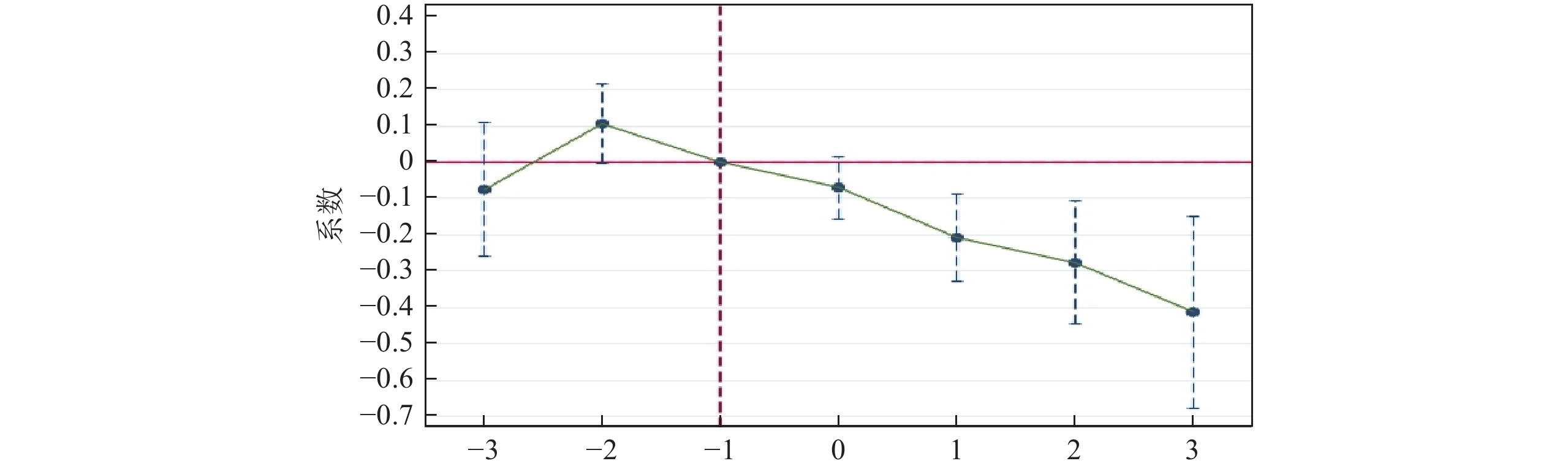

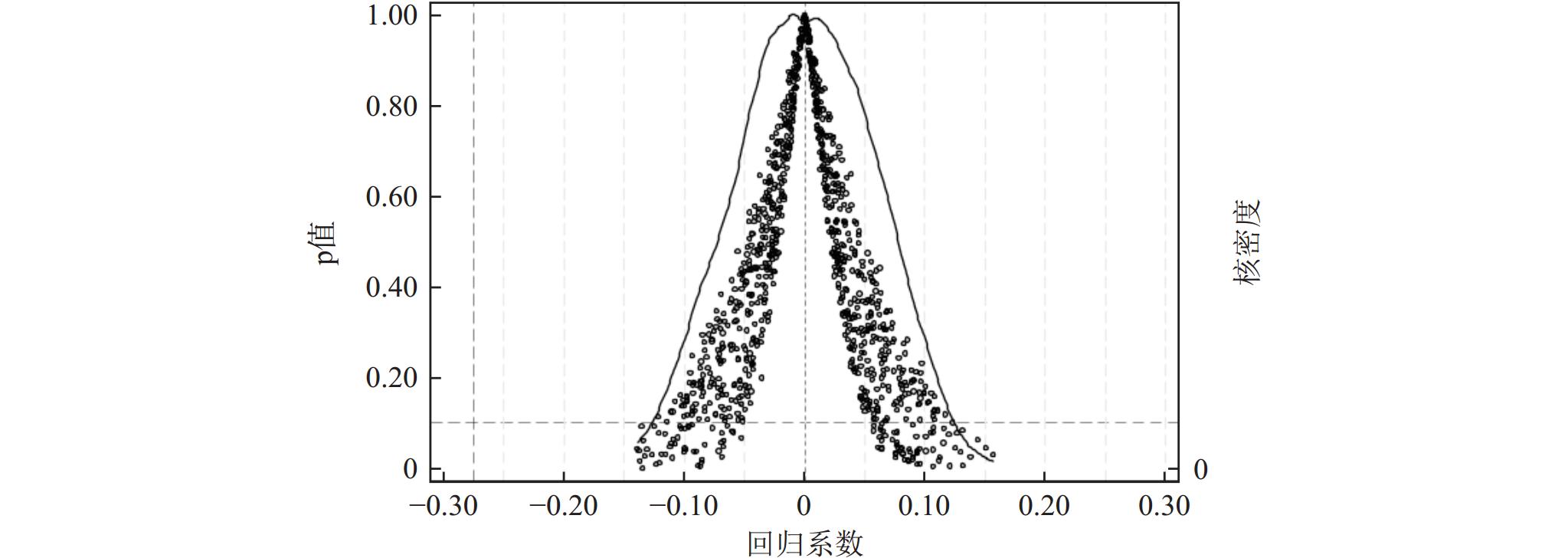
2025, 39(5): 89-118.
Abstract:
Accelerating supplier innovation is of great practical significance for promoting the optimization and upgrading of industrial and supply chains and safeguarding national economic security. Drawing on China’s unique institutional context, this paper develops a three-dimensional analytical framework of “subject–environment–relationship” to characterize the actor attributes, contextual boundaries, and relational conditions under which the core mechanisms operate. It further uncovers the differentiated governance logic through which supply chain common institutional investors drive supplier innovation in a transition economy. The empirical results show that supply chain common institutional investors significantly enhance supplier innovation, primarily through three channels: facilitating innovation-related knowledge spillovers from customers to suppliers, mitigating the “hold-up” problem in supply chains, and improving supply chain stability and operational efficiency. The heterogeneity analysis reveals that this positive effect is more pronounced when common institutional investors have a long-term orientation or a state-owned background, when supply chains exhibit higher customer concentration or stronger customer innovation capability, and when suppliers operate in high-tech industries or regions with weaker intellectual property protection. Tests of economic consequences indicate that the innovation-promoting effect of supply chain common institutional investors enhances suppliers’ firm value and total factor productivity.
Accelerating supplier innovation is of great practical significance for promoting the optimization and upgrading of industrial and supply chains and safeguarding national economic security. Drawing on China’s unique institutional context, this paper develops a three-dimensional analytical framework of “subject–environment–relationship” to characterize the actor attributes, contextual boundaries, and relational conditions under which the core mechanisms operate. It further uncovers the differentiated governance logic through which supply chain common institutional investors drive supplier innovation in a transition economy. The empirical results show that supply chain common institutional investors significantly enhance supplier innovation, primarily through three channels: facilitating innovation-related knowledge spillovers from customers to suppliers, mitigating the “hold-up” problem in supply chains, and improving supply chain stability and operational efficiency. The heterogeneity analysis reveals that this positive effect is more pronounced when common institutional investors have a long-term orientation or a state-owned background, when supply chains exhibit higher customer concentration or stronger customer innovation capability, and when suppliers operate in high-tech industries or regions with weaker intellectual property protection. Tests of economic consequences indicate that the innovation-promoting effect of supply chain common institutional investors enhances suppliers’ firm value and total factor productivity.
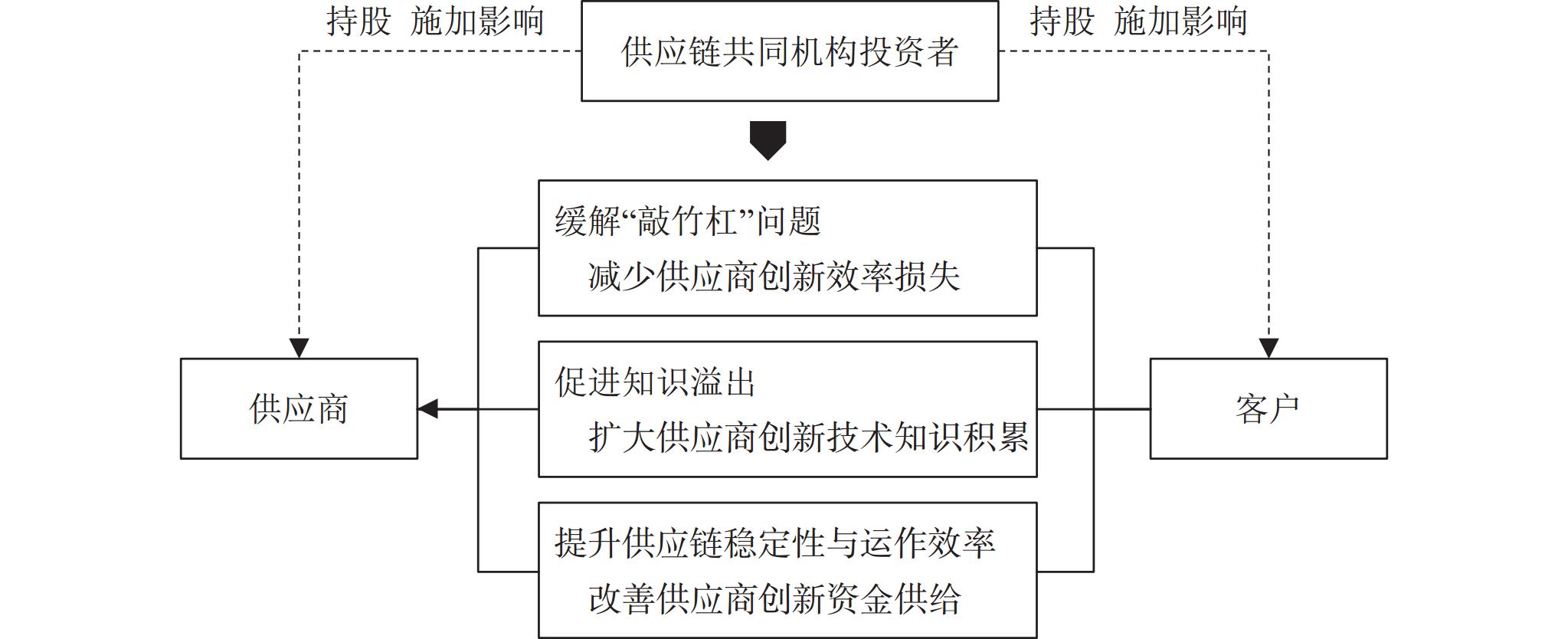
2025, 39(5): 119-140.
Abstract:
With government as both the collector and user of tax revenues, and firms as major contributors of tax revenues, do major government customers influence corporate tax decision-making? This study uses data on the top five customers disclosed in the annual reports of A-share listed companies from 2010 to 2019, and explores how firms trade off the economic benefits and monitoring costs associated with major government customers and tax avoidance when making tax decisions in the Chinese institutional setting, that is, the effect of major government customers on corporate tax compliance. The empirical results show that the presence of major government customers significantly reduces firms’ tax avoidance and enhances tax compliance. Moreover, the greater the importance of major government customers, the higher the effective tax rate of firms. Further study finds that stable and long-term relationships with major government customers are more effective in promoting tax compliance, compared with sporadic and occasional government orders. Heterogeneity analysis shows that the positive effect is more pronounced in firms located in areas with stronger tax enforcement, in firms in highly competitive industries, and in non-state-owned enterprises. This paper contributes to the literature on major government customers and tax compliance, and provides practical implications for firms in conducting tax planning and for government authorities in strengthening tax enforcement.
With government as both the collector and user of tax revenues, and firms as major contributors of tax revenues, do major government customers influence corporate tax decision-making? This study uses data on the top five customers disclosed in the annual reports of A-share listed companies from 2010 to 2019, and explores how firms trade off the economic benefits and monitoring costs associated with major government customers and tax avoidance when making tax decisions in the Chinese institutional setting, that is, the effect of major government customers on corporate tax compliance. The empirical results show that the presence of major government customers significantly reduces firms’ tax avoidance and enhances tax compliance. Moreover, the greater the importance of major government customers, the higher the effective tax rate of firms. Further study finds that stable and long-term relationships with major government customers are more effective in promoting tax compliance, compared with sporadic and occasional government orders. Heterogeneity analysis shows that the positive effect is more pronounced in firms located in areas with stronger tax enforcement, in firms in highly competitive industries, and in non-state-owned enterprises. This paper contributes to the literature on major government customers and tax compliance, and provides practical implications for firms in conducting tax planning and for government authorities in strengthening tax enforcement.
2025, 39(5): 141-157.
Abstract:
Bank internationalization is a key measure for China to advance high-level financial opening up and establish a new higher-level open economic system. However, it may also exert significant effects on banks’ risk-taking behaviors. Using micro-panel data on Chinese banks that engaged in internationalization from 2000 to 2024, this paper empirically examines the impact of internationalization on banks’ risk-taking. The results show that bank internationalization enhances the willingness for active risk-taking while reducing the level of passive risk-taking. Mechanism tests indicate that internationalization promotes active risk-taking by strengthening liquidity creation, and mitigates passive risk-taking by increasing income diversification. Heterogeneity analysis shows that these effects are more pronounced in large banks with high capital adequacy ratios, compared to smaller banks with lower capital buffers. The findings not only help clarify the risk-taking effects of bank internationalization and their underlying mechanisms, but also provide empirical evidence and valuable insights for steadily and hierarchically advancing the process of bank internationalization and implementing institutional opening-up.
Bank internationalization is a key measure for China to advance high-level financial opening up and establish a new higher-level open economic system. However, it may also exert significant effects on banks’ risk-taking behaviors. Using micro-panel data on Chinese banks that engaged in internationalization from 2000 to 2024, this paper empirically examines the impact of internationalization on banks’ risk-taking. The results show that bank internationalization enhances the willingness for active risk-taking while reducing the level of passive risk-taking. Mechanism tests indicate that internationalization promotes active risk-taking by strengthening liquidity creation, and mitigates passive risk-taking by increasing income diversification. Heterogeneity analysis shows that these effects are more pronounced in large banks with high capital adequacy ratios, compared to smaller banks with lower capital buffers. The findings not only help clarify the risk-taking effects of bank internationalization and their underlying mechanisms, but also provide empirical evidence and valuable insights for steadily and hierarchically advancing the process of bank internationalization and implementing institutional opening-up.

 Email alert
 RSS