


2020 Vol. 34, No. 5
Display Method:
2020, 34(5): 3-27.
Abstract:
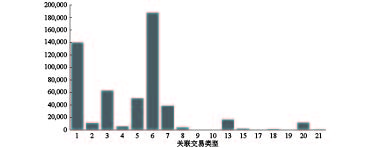
Using a sample of Chinese A-share listed companies for the period of 2006-2016, this paper empirically examines the impact of related party transactions (RPTs) on stock price synchronicity (SPS) and its mechanism, and investigates the important role of analyst behavior in the relationship between RPTs and SPS. The results show that RPTs significantly reduce SPS. The reason is that RPTs reduce transparency of corporate information, make the stock price contains more noise information, and thus reduce SPS. Meanwhile, higher concerns and more accurate forecast of the analysts help to mitigate the interference of noise information on stock price, and this weakens the negative effect of RPTs on SPS. The above results suggest that low information transparency caused by RPTs reduces stock pricing efficiency, while effective analyst following can play a positive role to deal with this problem. Further study finds that among all kinds of RPTs only commodity transactions and secured mortgage have significantly negative effects on SPS. In addition, excessive concentration of ownership will lead to agency problems, and strengthen the negative relationship between RPTs and SPS. Employing high-quality auditors from Big Four accounting firms can play an active role, and weakens the negative relationship between RPTs and SPS. In theory, this study enriches the relevant literatures on the economic consequences of RPTs and the factors affecting SPS. In practice, it provides empirical evidence for a deeper understanding of the impact of RPTs on capital market information efficiency.
Using a sample of Chinese A-share listed companies for the period of 2006-2016, this paper empirically examines the impact of related party transactions (RPTs) on stock price synchronicity (SPS) and its mechanism, and investigates the important role of analyst behavior in the relationship between RPTs and SPS. The results show that RPTs significantly reduce SPS. The reason is that RPTs reduce transparency of corporate information, make the stock price contains more noise information, and thus reduce SPS. Meanwhile, higher concerns and more accurate forecast of the analysts help to mitigate the interference of noise information on stock price, and this weakens the negative effect of RPTs on SPS. The above results suggest that low information transparency caused by RPTs reduces stock pricing efficiency, while effective analyst following can play a positive role to deal with this problem. Further study finds that among all kinds of RPTs only commodity transactions and secured mortgage have significantly negative effects on SPS. In addition, excessive concentration of ownership will lead to agency problems, and strengthen the negative relationship between RPTs and SPS. Employing high-quality auditors from Big Four accounting firms can play an active role, and weakens the negative relationship between RPTs and SPS. In theory, this study enriches the relevant literatures on the economic consequences of RPTs and the factors affecting SPS. In practice, it provides empirical evidence for a deeper understanding of the impact of RPTs on capital market information efficiency.
2020, 34(5): 28-40.
Abstract:
To deepen the reform of state-owned enterprises and ensure the preservation and appreciation of state-owned assets, it is necessary to further improve internal capital allocation and operational efficiency. Cash holding, as an important financial decision of enterprises, is the key to optimize the efficiency of resource allocation. Based on the data of listed companies controlled by central enterprises from 2008 to 2018, this paper examines the impact of national audit on cash holdings of state-owned enterprises. The results show that the cash holding of state-owned enterprises is significantly improved after the national audit. Further research shows that the positive correlation between national audit and cash holding of state-owned enterprises is more significant when the degree of corporate financing constraints is high, the level of risk-taking is low and the proportion of large shareholders is high; National audit can significantly improve the value of cash holdings of state-owned enterprises. The conclusion of this paper not only expands the research on the economic consequences of national audit, but also provides empirical evidence for the influence of national audit on the cash holdings of state-owned enterprises, and also has certain enlightenment for exploring the financial decision-making and corporate governance of state-owned enterprises.
To deepen the reform of state-owned enterprises and ensure the preservation and appreciation of state-owned assets, it is necessary to further improve internal capital allocation and operational efficiency. Cash holding, as an important financial decision of enterprises, is the key to optimize the efficiency of resource allocation. Based on the data of listed companies controlled by central enterprises from 2008 to 2018, this paper examines the impact of national audit on cash holdings of state-owned enterprises. The results show that the cash holding of state-owned enterprises is significantly improved after the national audit. Further research shows that the positive correlation between national audit and cash holding of state-owned enterprises is more significant when the degree of corporate financing constraints is high, the level of risk-taking is low and the proportion of large shareholders is high; National audit can significantly improve the value of cash holdings of state-owned enterprises. The conclusion of this paper not only expands the research on the economic consequences of national audit, but also provides empirical evidence for the influence of national audit on the cash holdings of state-owned enterprises, and also has certain enlightenment for exploring the financial decision-making and corporate governance of state-owned enterprises.
2020, 34(5): 41-55.
Abstract:
Based on the background of increasing corporate tax avoidance activities, this paper examines the impact of tax avoidance on corporate information disclosure behaviors. Tax avoidance tends to bring about the complexity of organizational structure, the concealment of private trading activities and the obscurity of financial reports, which will aggravate the information asymmetry and destroy firm value. In this case, rational managers are motivated to disclose more information to satisfy the needs of external investors for alleviating information asymmetry. Based on the data of China’s listed companies from 2008 to 2017, we find that firms with more aggressive tax planning are more likely to issue voluntary earnings forecasts or provide more precise and accurate estimates under requirement. We further find that good governance mechanism can enhance the management’s motivation for more disclosure. The positive effect of tax avoidance on information disclosure is stronger in firms with higher institutional investors portion. The findings demonstrate that managers try to mitigate negative consequences of aggressive tax avoidance activities through more disclosure.
Based on the background of increasing corporate tax avoidance activities, this paper examines the impact of tax avoidance on corporate information disclosure behaviors. Tax avoidance tends to bring about the complexity of organizational structure, the concealment of private trading activities and the obscurity of financial reports, which will aggravate the information asymmetry and destroy firm value. In this case, rational managers are motivated to disclose more information to satisfy the needs of external investors for alleviating information asymmetry. Based on the data of China’s listed companies from 2008 to 2017, we find that firms with more aggressive tax planning are more likely to issue voluntary earnings forecasts or provide more precise and accurate estimates under requirement. We further find that good governance mechanism can enhance the management’s motivation for more disclosure. The positive effect of tax avoidance on information disclosure is stronger in firms with higher institutional investors portion. The findings demonstrate that managers try to mitigate negative consequences of aggressive tax avoidance activities through more disclosure.
2020, 34(5): 56-67.
Abstract:
Based on A-share listed companies in Shanghai and Shenzhen Stock Exchanges from 2016 to 2018, this paper mainly examines the impact of government regulation on financial risk of enterprises from two perspectives of the force and the mode of government regulation. Through the empirical test of the establishment of multiple linear regression analysis model, the paper finds that the government regulation has a significant impact on the financial risk of enterprises. Based on the current regulatory environment in China, the stronger the force of government regulation, the smaller the financial risk of enterprises, and the impact of government regulation on financial risk of enterprises varies with the ways the government acts, and the impact of economic regulation on financial risk of enterprises is more significant than that of social regulation. The empirical results provide theoretical reference and empirical evidence for China’s economic regulation reform and how enterprises cope with financial risks in different regulatory environments.
Based on A-share listed companies in Shanghai and Shenzhen Stock Exchanges from 2016 to 2018, this paper mainly examines the impact of government regulation on financial risk of enterprises from two perspectives of the force and the mode of government regulation. Through the empirical test of the establishment of multiple linear regression analysis model, the paper finds that the government regulation has a significant impact on the financial risk of enterprises. Based on the current regulatory environment in China, the stronger the force of government regulation, the smaller the financial risk of enterprises, and the impact of government regulation on financial risk of enterprises varies with the ways the government acts, and the impact of economic regulation on financial risk of enterprises is more significant than that of social regulation. The empirical results provide theoretical reference and empirical evidence for China’s economic regulation reform and how enterprises cope with financial risks in different regulatory environments.
2020, 34(5): 68-88.
Abstract:
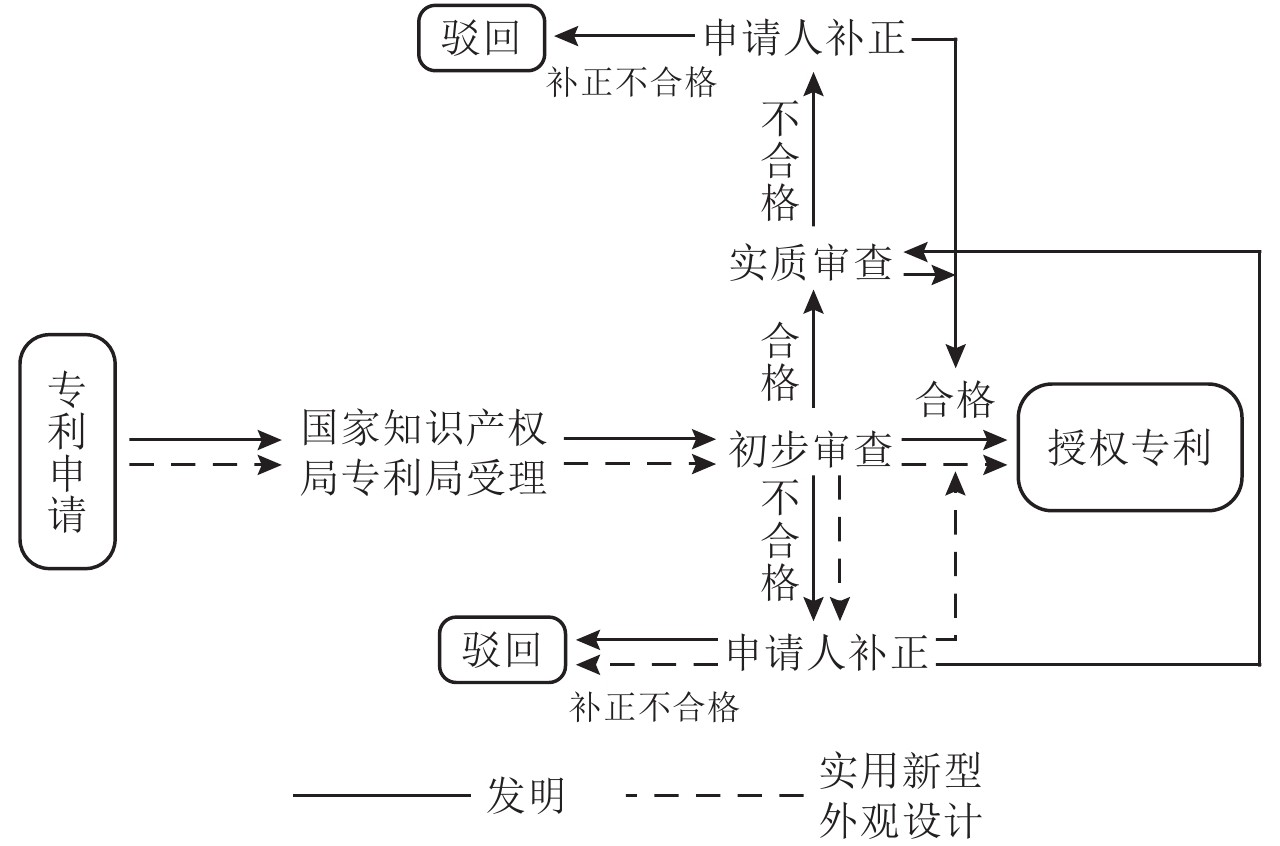
In this paper, we take China’s A-share listed companies from 2016 to 2018 as the sample to investigate the impact of targeted poverty alleviation (TPA) on corporate innovation activities, concerning the wide participation of firms in TPA. We find that TPA by enterprises significantly increases their innovation. However, TPA does not increase the innovation investment through the input side, but significantly impacts the innovation quality negatively when the innovation structure remains unchanged. Further research shows that the positive effect of TPA on corporate innovation is partly due to the greater convenience of authorization. We make the first focus on companies participating in poverty alleviation and exploration on the black box of the patent application and authorization process. The findings not only provide a new perspective and new evidence for understanding the economic consequences of TPA in China, but also give new ways of thinking about the institutional factors influencing the corporate innovation quality. The government is suggested to be vigilant that some companies take advantage of TPA in some regions to get expedience, and that government-enterprise relations in some regions change from direct resource exchange to more subtle and destructive indirect behaviors.
In this paper, we take China’s A-share listed companies from 2016 to 2018 as the sample to investigate the impact of targeted poverty alleviation (TPA) on corporate innovation activities, concerning the wide participation of firms in TPA. We find that TPA by enterprises significantly increases their innovation. However, TPA does not increase the innovation investment through the input side, but significantly impacts the innovation quality negatively when the innovation structure remains unchanged. Further research shows that the positive effect of TPA on corporate innovation is partly due to the greater convenience of authorization. We make the first focus on companies participating in poverty alleviation and exploration on the black box of the patent application and authorization process. The findings not only provide a new perspective and new evidence for understanding the economic consequences of TPA in China, but also give new ways of thinking about the institutional factors influencing the corporate innovation quality. The government is suggested to be vigilant that some companies take advantage of TPA in some regions to get expedience, and that government-enterprise relations in some regions change from direct resource exchange to more subtle and destructive indirect behaviors.

2020, 34(5): 89-106.
Abstract:
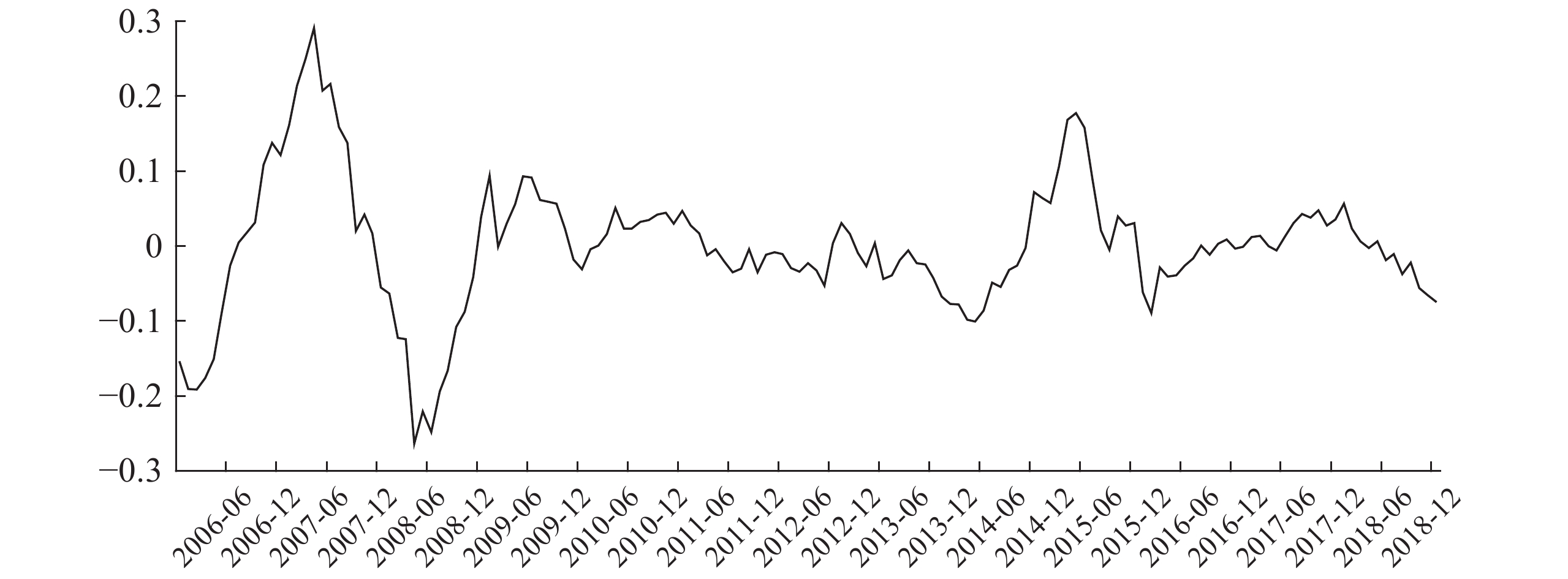
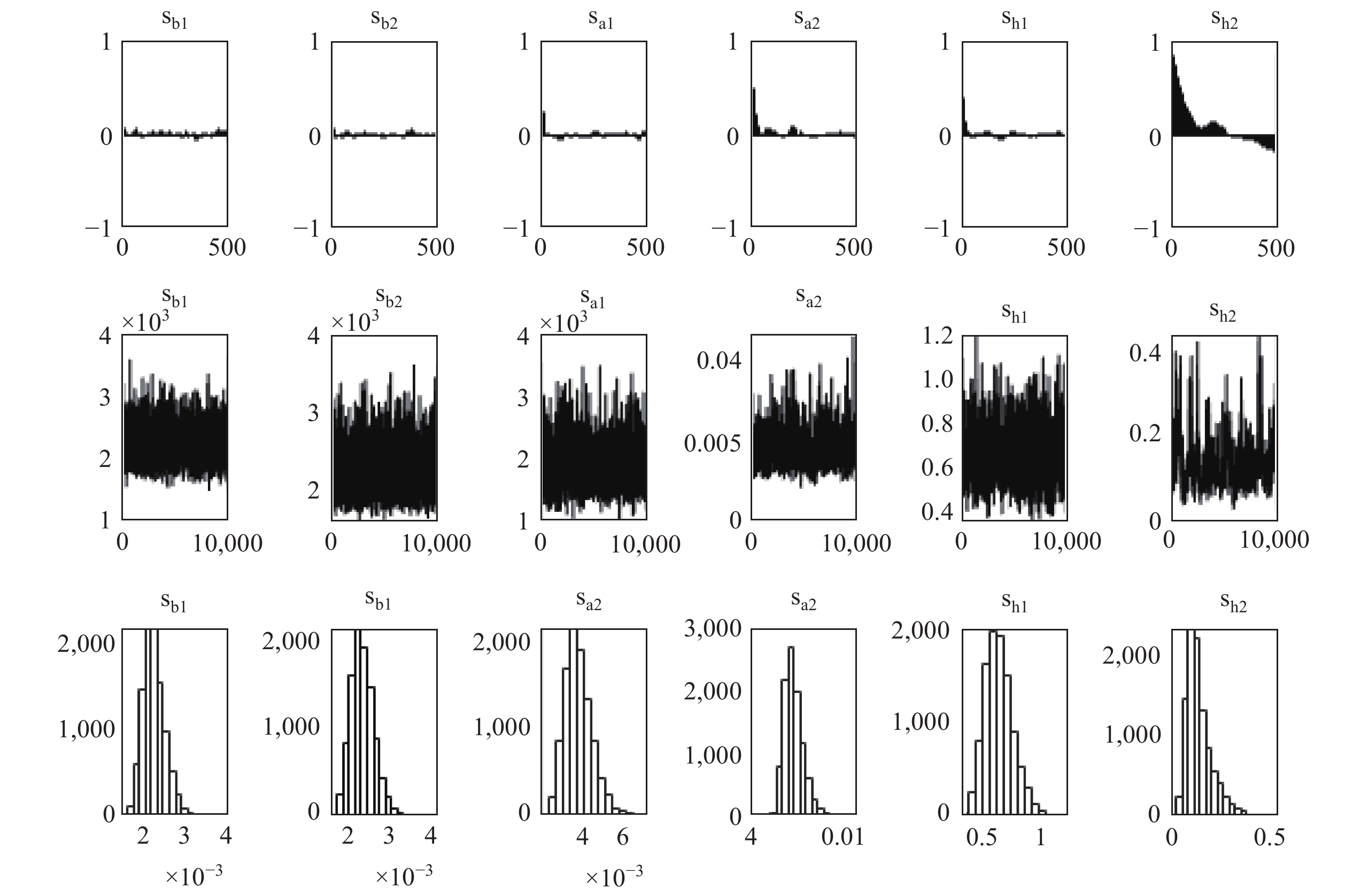
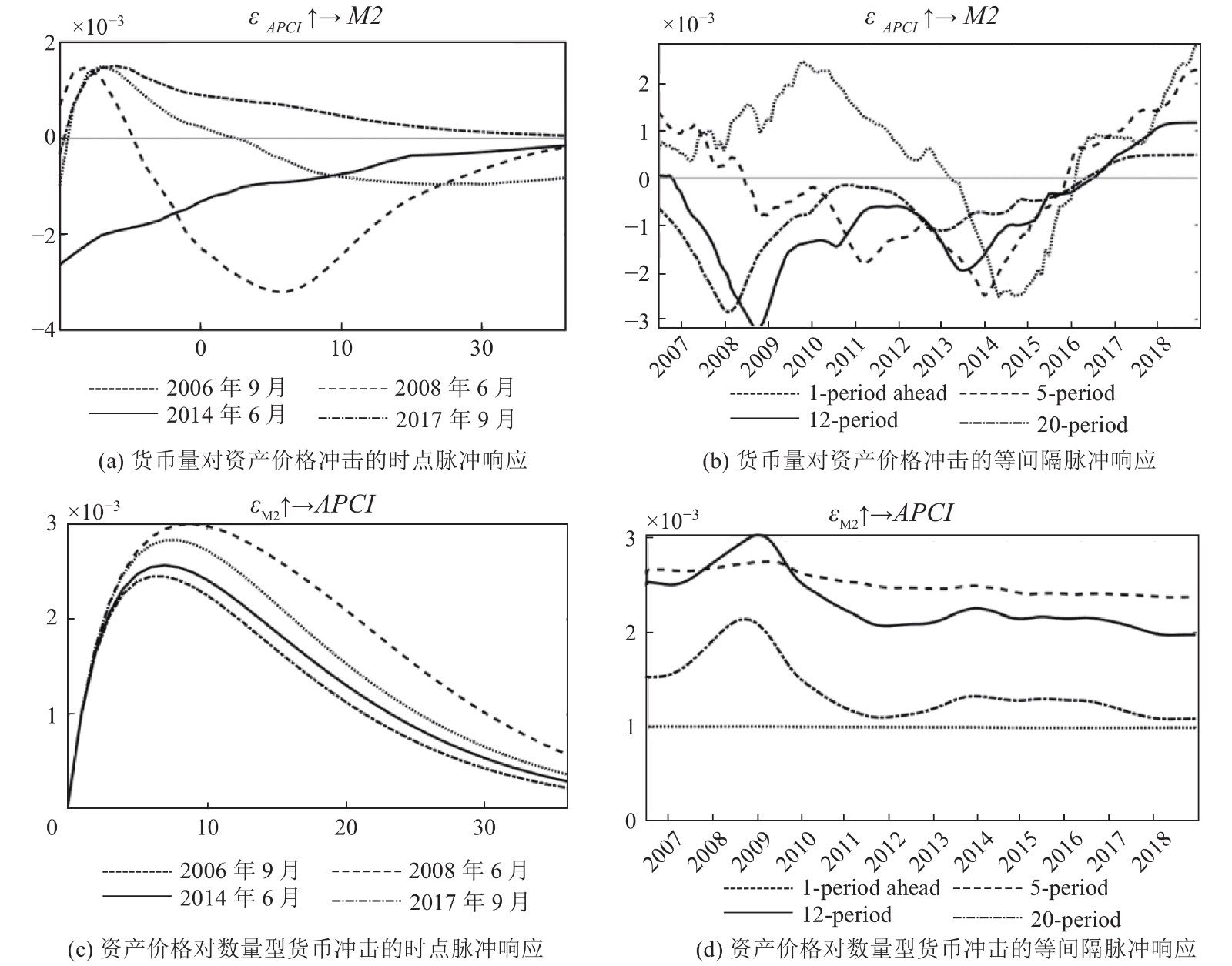
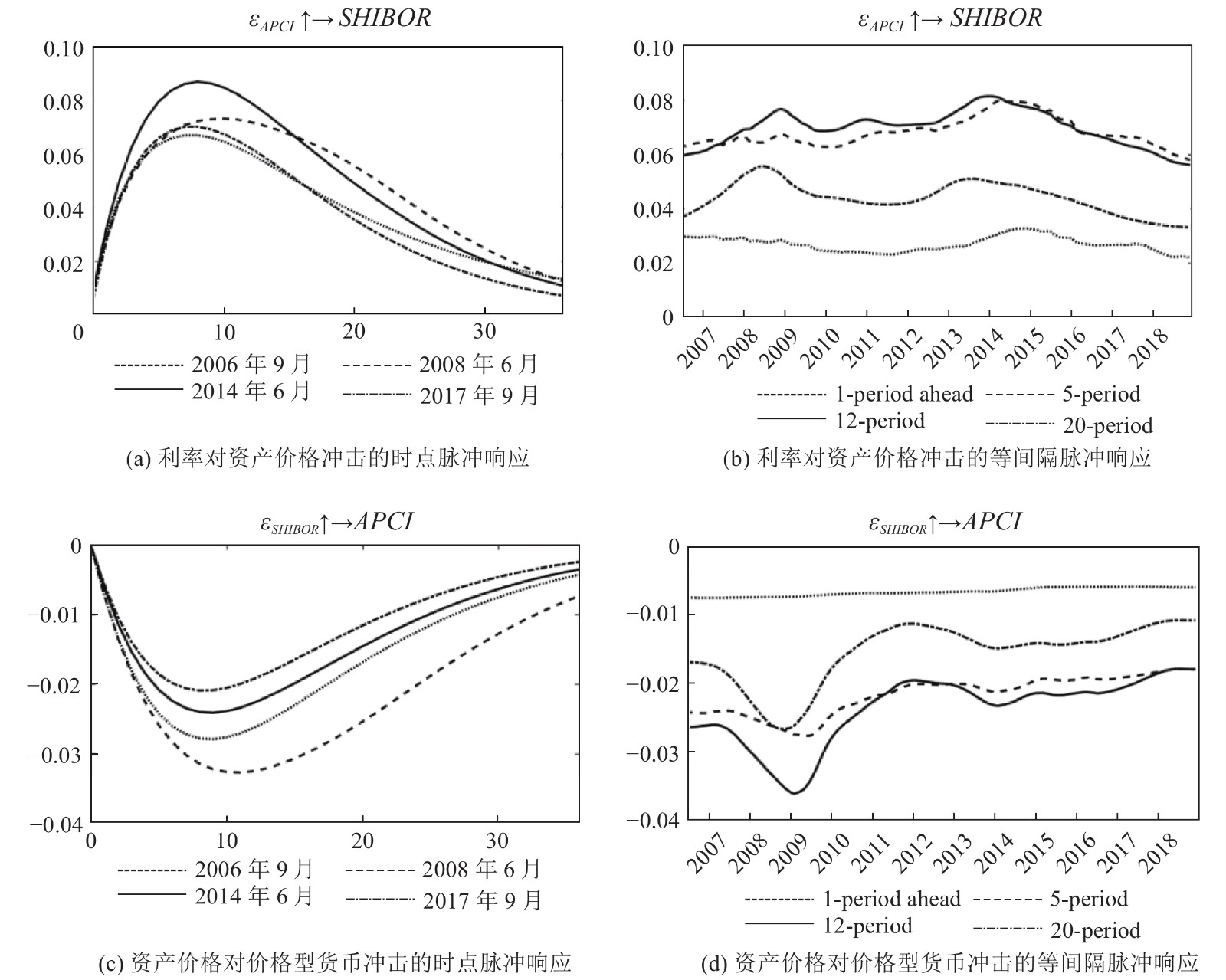
Based on the compilation idea of financial conditions index, this paper constructs the asset price conditions index of China by using real estate price, stock price, RMB real effective exchange rate and commodity price index. From perspectives of time-varying and short or long-term by using SV-TVP-VAR model, the effects of quantitative and price-based monetary policies on asset prices are analyzed to depict the change characteristics of China’s monetary policies in different periods. The results show that both types of monetary policies in China have the orientation of pegging to asset prices. As a whole the effectiveness of price-based monetary policy is greater than that of quantitative one. However, there is little difference between the two types of monetary policies in terms of the time required to achieve the maximum level of regulatory effect and the duration of the regulatory effect. The regulation effects of the two types of monetary policies are different in different periods, which is most significant in the financial crisis period, but weakened when the financial supervision is strong. We should further standardize the innovation of financial business, dredge the transmission channel of monetary policy, change the traditional monetary policy regulation mode of “value quantity and despise price”, build a new monetary policy control framework of “price as the main factor and quantity as the supplement”, and improve the dual pillar regulatory framework of “monetary policy + macro prudential policy” so as to stabilize asset prices more effectively.
Based on the compilation idea of financial conditions index, this paper constructs the asset price conditions index of China by using real estate price, stock price, RMB real effective exchange rate and commodity price index. From perspectives of time-varying and short or long-term by using SV-TVP-VAR model, the effects of quantitative and price-based monetary policies on asset prices are analyzed to depict the change characteristics of China’s monetary policies in different periods. The results show that both types of monetary policies in China have the orientation of pegging to asset prices. As a whole the effectiveness of price-based monetary policy is greater than that of quantitative one. However, there is little difference between the two types of monetary policies in terms of the time required to achieve the maximum level of regulatory effect and the duration of the regulatory effect. The regulation effects of the two types of monetary policies are different in different periods, which is most significant in the financial crisis period, but weakened when the financial supervision is strong. We should further standardize the innovation of financial business, dredge the transmission channel of monetary policy, change the traditional monetary policy regulation mode of “value quantity and despise price”, build a new monetary policy control framework of “price as the main factor and quantity as the supplement”, and improve the dual pillar regulatory framework of “monetary policy + macro prudential policy” so as to stabilize asset prices more effectively.
2020, 34(5): 107-127.
Abstract:
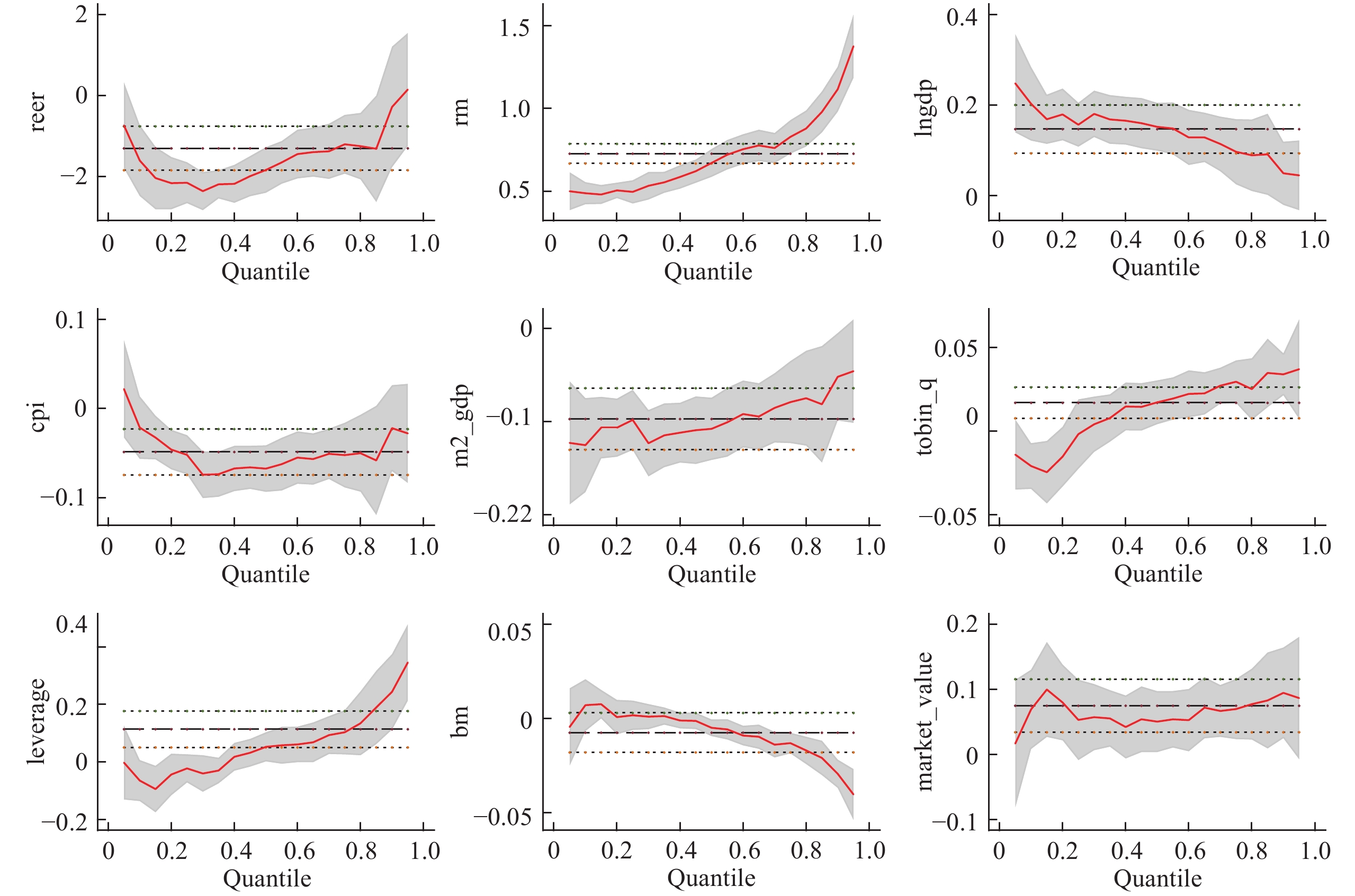
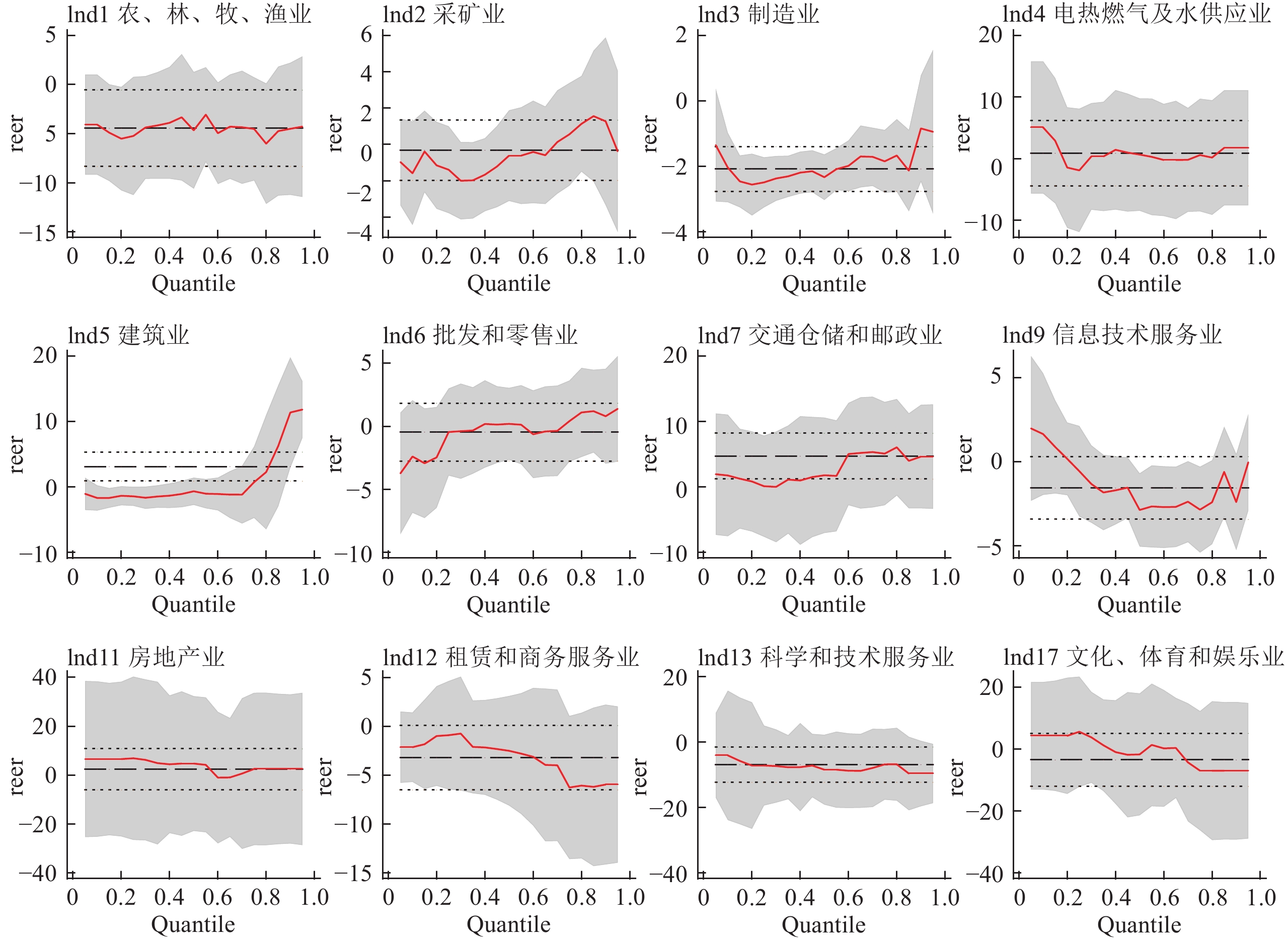
We use the quarterly data of 422 listed companies in Beijing-Tianjin-Hebei region from 2006 to 2018, and test the effect of RMB exchange rate fluctuation on the foreign exchange risk exposure of listed companies. We find that the foreign exchange risk of listed companies in Beijing-Tianjin-Hebei region is obviously exposed, when the RMB exchange rate raises by 1%, the firm value decreases by 4.01%. With the firm return raised, the exposure of foreign exchange risk shows a feature of typical J curve, which first declines and then rises. When the exchange rate raises, the exposure of foreign exchange risk shows an obvious asymmetry, in that the negative effect of small appreciation on firm value is significantly higher than that of the big appreciation. Finally, we puts forward relevant suggestions based on following perspectives: the use of foreign exchange derivatives at a firm level, the adjustment of industrial structure at an industry level, and the RMB exchange rate market-oriented reform at a macro level.
We use the quarterly data of 422 listed companies in Beijing-Tianjin-Hebei region from 2006 to 2018, and test the effect of RMB exchange rate fluctuation on the foreign exchange risk exposure of listed companies. We find that the foreign exchange risk of listed companies in Beijing-Tianjin-Hebei region is obviously exposed, when the RMB exchange rate raises by 1%, the firm value decreases by 4.01%. With the firm return raised, the exposure of foreign exchange risk shows a feature of typical J curve, which first declines and then rises. When the exchange rate raises, the exposure of foreign exchange risk shows an obvious asymmetry, in that the negative effect of small appreciation on firm value is significantly higher than that of the big appreciation. Finally, we puts forward relevant suggestions based on following perspectives: the use of foreign exchange derivatives at a firm level, the adjustment of industrial structure at an industry level, and the RMB exchange rate market-oriented reform at a macro level.

 Email alert
 RSS