


2020 Vol. 34, No. 4
Display Method:
2020, 34(4): 3-23.
Abstract:
Based on the hand-collected data of Chinese listed firms from 1999 to 2017, we empirically examine the economic consequences of firm debt violations from a perspective of external auditors. The results show that firm debt violations trigger auditor actions, including increasing audit investment, charging higher audit fees, issuing more stringent audit opinions, and even refusing to offer audit service. Channel tests reveal that debt violations increase firms' business and audit risks, and thus trigger auditor actions. Further analysis finds that auditors are more prone to respond to circumstances when firms' debt violations are more severe and the likelihood of financial distress is higher. In addition, audit actions are progressive. Auditors will take measures from weak to strong according to the risk of clients' debt defaults.
Based on the hand-collected data of Chinese listed firms from 1999 to 2017, we empirically examine the economic consequences of firm debt violations from a perspective of external auditors. The results show that firm debt violations trigger auditor actions, including increasing audit investment, charging higher audit fees, issuing more stringent audit opinions, and even refusing to offer audit service. Channel tests reveal that debt violations increase firms' business and audit risks, and thus trigger auditor actions. Further analysis finds that auditors are more prone to respond to circumstances when firms' debt violations are more severe and the likelihood of financial distress is higher. In addition, audit actions are progressive. Auditors will take measures from weak to strong according to the risk of clients' debt defaults.

2020, 34(4): 24-45.
Abstract:
The existing literatures show that voluntary disclosure improves the corporate information transparency and achieves good economic results. Does it indicate the more voluntary information disclosure, the better? XBRL extension taxonomy provides an opportunity to study this topic. Based on Enterprise Accounting Standards General Classification Standard (2015), we select 300 XBRL reports by systematic sampling, manually search and record the extension information, and test the effect of XBRL extensions on the cost of equity capital. We find that more XBRL extensions (particularly goverment subsidies) induce a higher cost of equity capital, but the increase in institutional investors’ shareholding (particularly funds holding) will weaken the effect. These findings suggest that the redundant XBRL extensions will increase the information processing cost and aggravate the information asymmetry. However, the impact varies with the types of investors.
The existing literatures show that voluntary disclosure improves the corporate information transparency and achieves good economic results. Does it indicate the more voluntary information disclosure, the better? XBRL extension taxonomy provides an opportunity to study this topic. Based on Enterprise Accounting Standards General Classification Standard (2015), we select 300 XBRL reports by systematic sampling, manually search and record the extension information, and test the effect of XBRL extensions on the cost of equity capital. We find that more XBRL extensions (particularly goverment subsidies) induce a higher cost of equity capital, but the increase in institutional investors’ shareholding (particularly funds holding) will weaken the effect. These findings suggest that the redundant XBRL extensions will increase the information processing cost and aggravate the information asymmetry. However, the impact varies with the types of investors.

2020, 34(4): 46-58.
Abstract:
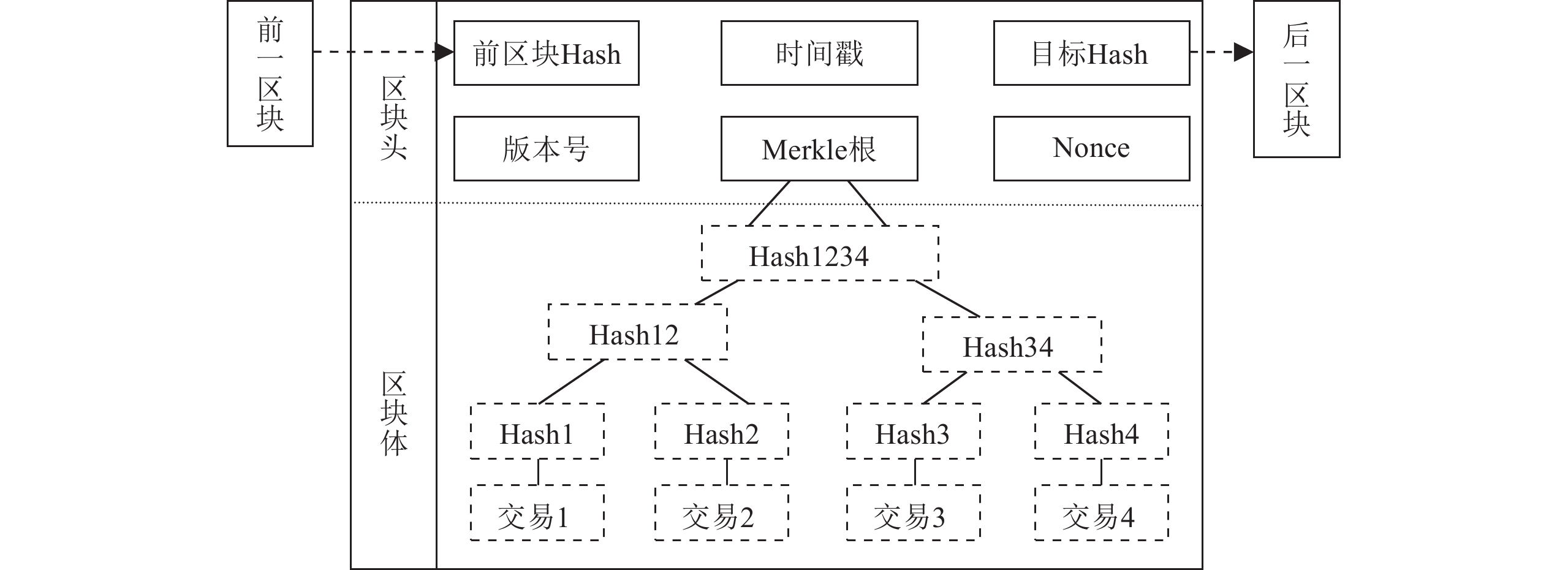
Government audit plays a positive role in preventing and controlling corruption. The development of information technology not only promotes the government audit to fight corruption, but also gives birth to a series of new demands for the construction of government audit corruption governance function. Blockchain technology can empower the optimization of government audit corruption governance function. The decentralization of blockchain architecture helps to achieve anticorruption coordination, information transparency helps government audit reveal hidden corruption, and tamper-resistant transactions improve the accountability effectiveness of the audit results. Blockchain technology provides a low-cost infrastructure for the construction of audit big data platform. A collaborative system of corruption governance built on the blockchain + audit platform can achieve the organic integration of early corruption warning, corruption control, corruption punishment and corruption prevention functions, and form a new pattern of multi-level and all-round corruption governance.
Government audit plays a positive role in preventing and controlling corruption. The development of information technology not only promotes the government audit to fight corruption, but also gives birth to a series of new demands for the construction of government audit corruption governance function. Blockchain technology can empower the optimization of government audit corruption governance function. The decentralization of blockchain architecture helps to achieve anticorruption coordination, information transparency helps government audit reveal hidden corruption, and tamper-resistant transactions improve the accountability effectiveness of the audit results. Blockchain technology provides a low-cost infrastructure for the construction of audit big data platform. A collaborative system of corruption governance built on the blockchain + audit platform can achieve the organic integration of early corruption warning, corruption control, corruption punishment and corruption prevention functions, and form a new pattern of multi-level and all-round corruption governance.


2020, 34(4): 59-78.
Abstract:
Using the sample of listed SOEs in Shanghai and Shenzhen stock markets from 2008 to 2015, we measure the mixed ownership reform of state-owned enterprises (SOEs) by using the proportion of non-state shareholders and the proportion of directors appointed by non-state shareholders, and find that mixed-ownership reform positively influences the dividend policy in listed SOEs. Specifically, the higher the proportion of directors appointed by non-state shareholders, the higher the willingness and level of dividend distribution in SOEs. Besides, the above positive effect has no significant difference between central or local SOEs, and SOEs in monopoly or competitive industries. However, the shareholding ratio of non-state shareholders has a weaker impact on the dividend behavior in listed SOEs. Further, we find that the governance effect of mixed-ownership reform is influenced by the management power and investor legal protection environment, which means the positive effect of non-state shareholders appointing directors on dividend distributions is more significant under weak management entrenchment or strong legal protection environment. Overall, our findings indicate that the mixed ownership reform with non-state shareholders participated in will improve the corporate governance level of SOEs, protect the interests of minority shareholders, and promote the development of China’s capital market.
Using the sample of listed SOEs in Shanghai and Shenzhen stock markets from 2008 to 2015, we measure the mixed ownership reform of state-owned enterprises (SOEs) by using the proportion of non-state shareholders and the proportion of directors appointed by non-state shareholders, and find that mixed-ownership reform positively influences the dividend policy in listed SOEs. Specifically, the higher the proportion of directors appointed by non-state shareholders, the higher the willingness and level of dividend distribution in SOEs. Besides, the above positive effect has no significant difference between central or local SOEs, and SOEs in monopoly or competitive industries. However, the shareholding ratio of non-state shareholders has a weaker impact on the dividend behavior in listed SOEs. Further, we find that the governance effect of mixed-ownership reform is influenced by the management power and investor legal protection environment, which means the positive effect of non-state shareholders appointing directors on dividend distributions is more significant under weak management entrenchment or strong legal protection environment. Overall, our findings indicate that the mixed ownership reform with non-state shareholders participated in will improve the corporate governance level of SOEs, protect the interests of minority shareholders, and promote the development of China’s capital market.
2020, 34(4): 79-95.
Abstract:
Based on the constraints of resources, enterprises choose strategies to implement the management. Under the control of instrumental rationality, enterprises choose strategies according to the cost-benefit principle. However, the strong resource constraints encourage enterprises to make more strategic choices with environmental responsibility considered and present a rational value orientation. The socioeconomic analysis on embedding environmental resources shows that the difference of environmental resources, the uncertainty of decision-making and different strategies will lead enterprises to use two different ways of reporting environmental responsibility. This research has significant inspirations for empirical studies on the causes, consequences and effects of environmental management based on environmental reporting.
Based on the constraints of resources, enterprises choose strategies to implement the management. Under the control of instrumental rationality, enterprises choose strategies according to the cost-benefit principle. However, the strong resource constraints encourage enterprises to make more strategic choices with environmental responsibility considered and present a rational value orientation. The socioeconomic analysis on embedding environmental resources shows that the difference of environmental resources, the uncertainty of decision-making and different strategies will lead enterprises to use two different ways of reporting environmental responsibility. This research has significant inspirations for empirical studies on the causes, consequences and effects of environmental management based on environmental reporting.

2020, 34(4): 96-114.
Abstract:
Based on the panel data of Chinese listed commercial banks from 2010 to 2018, this paper analyzes the impact of monetary policy on bank systemic risks from the perspective of leverage ratio, and conducts an empirical test on the banking leverage mechanism in which monetary policy affects bank systemic risks. The results show that both conventional and unconventional monetary policies have a positive correlation with bank leverage. Loose monetary policy will increase bank leverage. Increasing bank leverage will significantly increase bank systemic risks. The leverage mechanism in which monetary policy affects the bank systemic risks is effective. The effect of monetary policy on bank systemic risks increases with the increase of bank leverage, and this effect shows a non-linear threshold characteristic. Finally, it is recommended that the regulatory authorities consider the leverage mechanism of monetary policy affecting systemic risks in the context of macro-prudential supervision, give full play to the role of monetary policy to maintain financial stability, and improve the “two-pillar” regulatory framework for monetary policy and macro-prudential policy.
Based on the panel data of Chinese listed commercial banks from 2010 to 2018, this paper analyzes the impact of monetary policy on bank systemic risks from the perspective of leverage ratio, and conducts an empirical test on the banking leverage mechanism in which monetary policy affects bank systemic risks. The results show that both conventional and unconventional monetary policies have a positive correlation with bank leverage. Loose monetary policy will increase bank leverage. Increasing bank leverage will significantly increase bank systemic risks. The leverage mechanism in which monetary policy affects the bank systemic risks is effective. The effect of monetary policy on bank systemic risks increases with the increase of bank leverage, and this effect shows a non-linear threshold characteristic. Finally, it is recommended that the regulatory authorities consider the leverage mechanism of monetary policy affecting systemic risks in the context of macro-prudential supervision, give full play to the role of monetary policy to maintain financial stability, and improve the “two-pillar” regulatory framework for monetary policy and macro-prudential policy.

2020, 34(4): 115-128.
Abstract:
Financial leverage not only promotes the economic growth, but also competes with the real economy for resources, thus damages economic growth. The uncertain effect of financial leverage on economic growth will be affected by the degree of financial development. This paper analyzes the specific mechanism of financial leverage on economic growth based on the panel data of 74 countries from 2000 to 2017, and the threshold effect by using financial stability, financial efficiency and banking competitiveness as threshold variables. The empirical results show that financial stability and efficiency can enhance the role of financial leverage in promoting economic growth, the high concentration of banking system will damage the positive effect of financial leverage on economic growth. China should focus on maintaining financial stability, improving financial efficiency, promoting the healthy competition in banking industry, and highlighting the fundamental function of finance serving the real economy.
Financial leverage not only promotes the economic growth, but also competes with the real economy for resources, thus damages economic growth. The uncertain effect of financial leverage on economic growth will be affected by the degree of financial development. This paper analyzes the specific mechanism of financial leverage on economic growth based on the panel data of 74 countries from 2000 to 2017, and the threshold effect by using financial stability, financial efficiency and banking competitiveness as threshold variables. The empirical results show that financial stability and efficiency can enhance the role of financial leverage in promoting economic growth, the high concentration of banking system will damage the positive effect of financial leverage on economic growth. China should focus on maintaining financial stability, improving financial efficiency, promoting the healthy competition in banking industry, and highlighting the fundamental function of finance serving the real economy.

 Email alert
 RSS