


2021 Vol. 35, No. 1
Display Method:
2021, 35(1): 3-22.
Abstract:
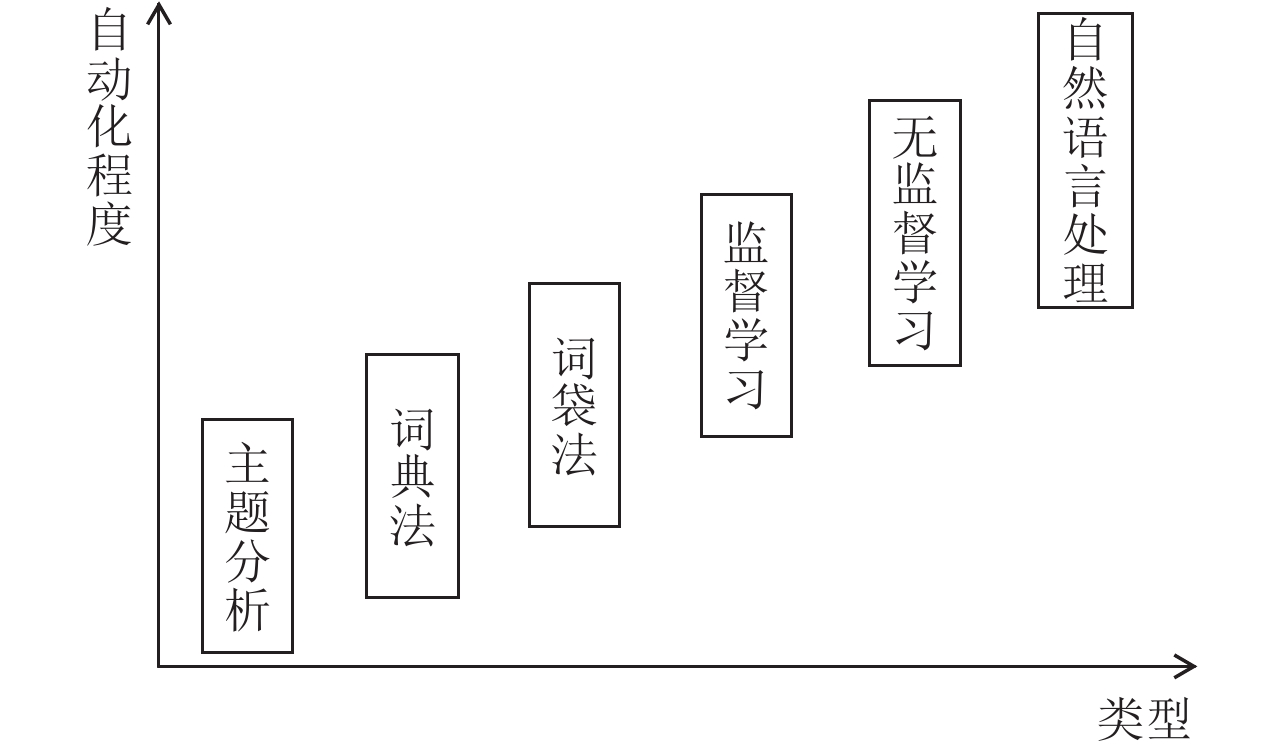
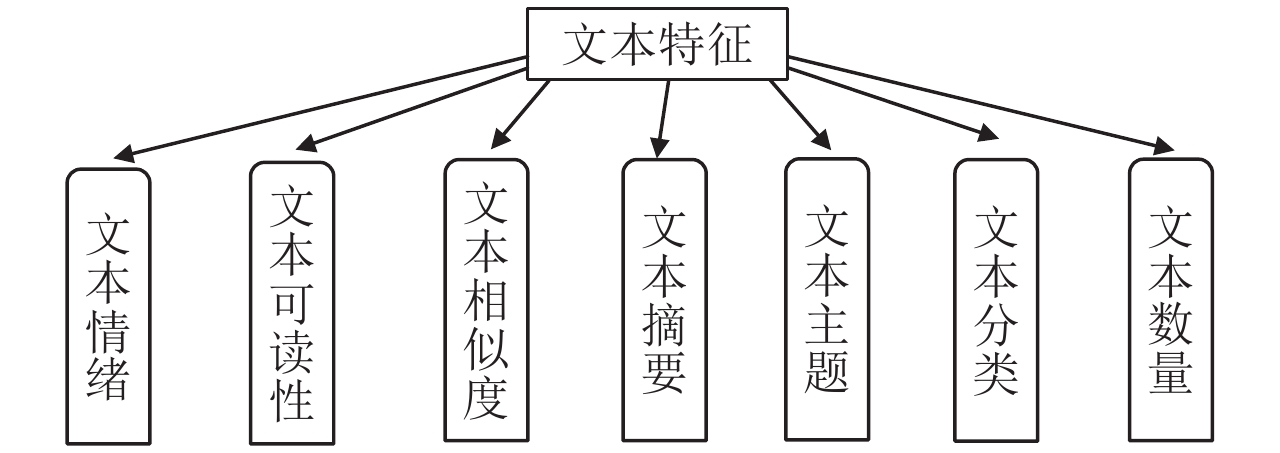
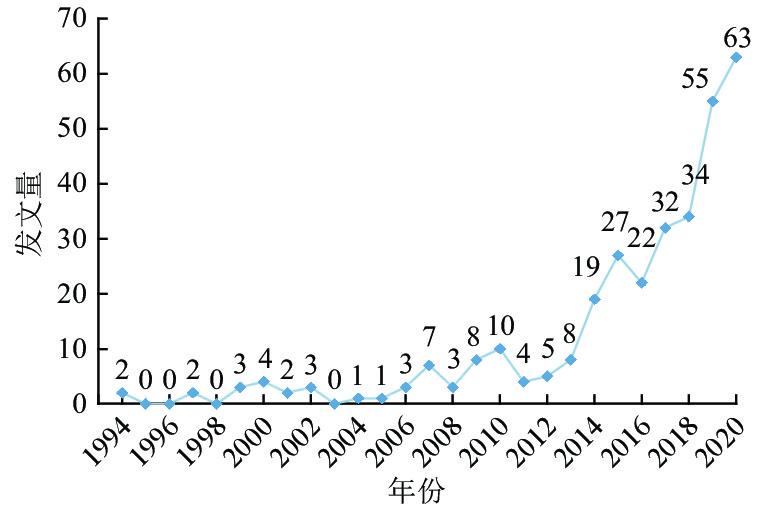
With the increasing maturity of big data technology, text-based research is attracting the attention of academia, but it is still in its infancy. It is necessary to systematically sort out the techniques and documents of text analysis. This paper provides a detailed introduction to the technology and literature of existing text analysis in the research of finance and accounting from five dimensions, which include text information source, text analysis technology, text feature extraction, text analysis application and domestic text analysis research status, and then points out future research directions. This paper helps domestic scholars understand the characteristics and research progress of text analysis research in the field of finance and accounting, and attracts more scholars’ attention to text analysis research in the field of finance and accounting.
With the increasing maturity of big data technology, text-based research is attracting the attention of academia, but it is still in its infancy. It is necessary to systematically sort out the techniques and documents of text analysis. This paper provides a detailed introduction to the technology and literature of existing text analysis in the research of finance and accounting from five dimensions, which include text information source, text analysis technology, text feature extraction, text analysis application and domestic text analysis research status, and then points out future research directions. This paper helps domestic scholars understand the characteristics and research progress of text analysis research in the field of finance and accounting, and attracts more scholars’ attention to text analysis research in the field of finance and accounting.
2021, 35(1): 23-42.
Abstract:
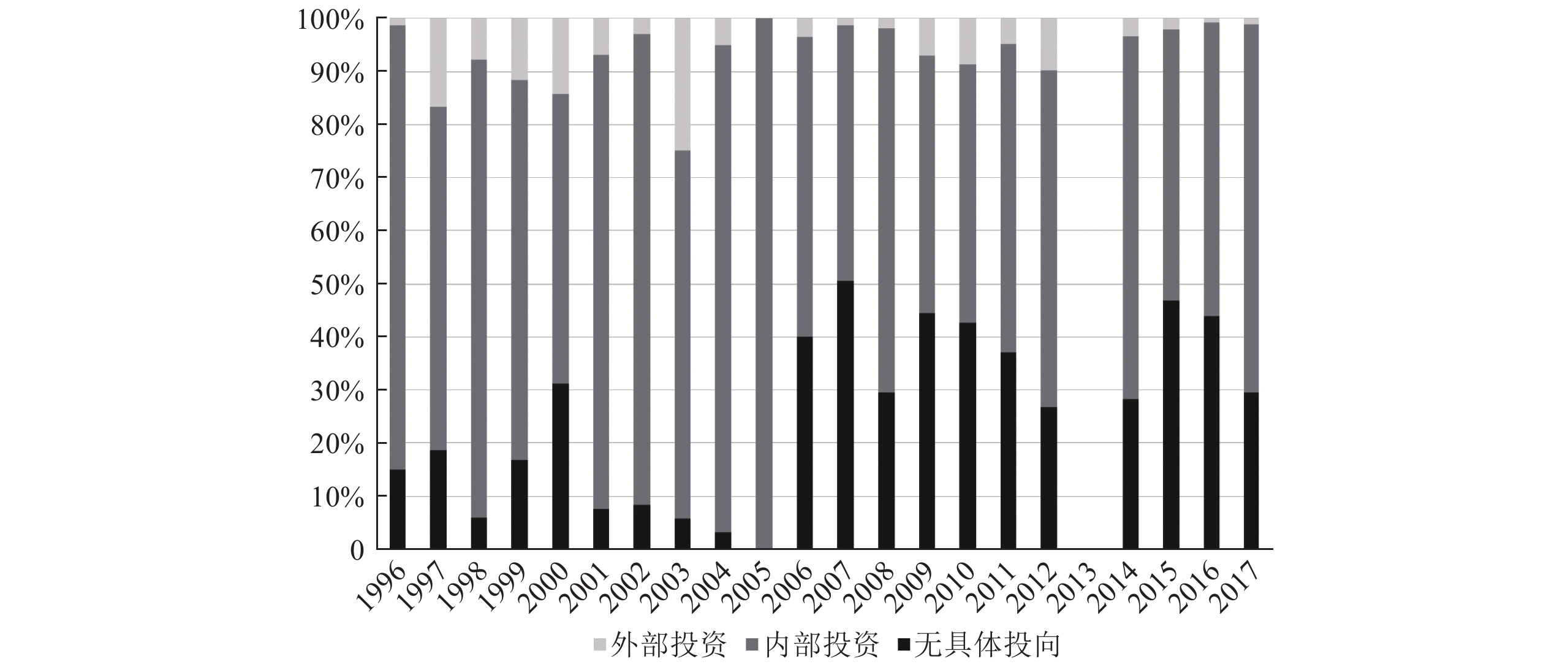
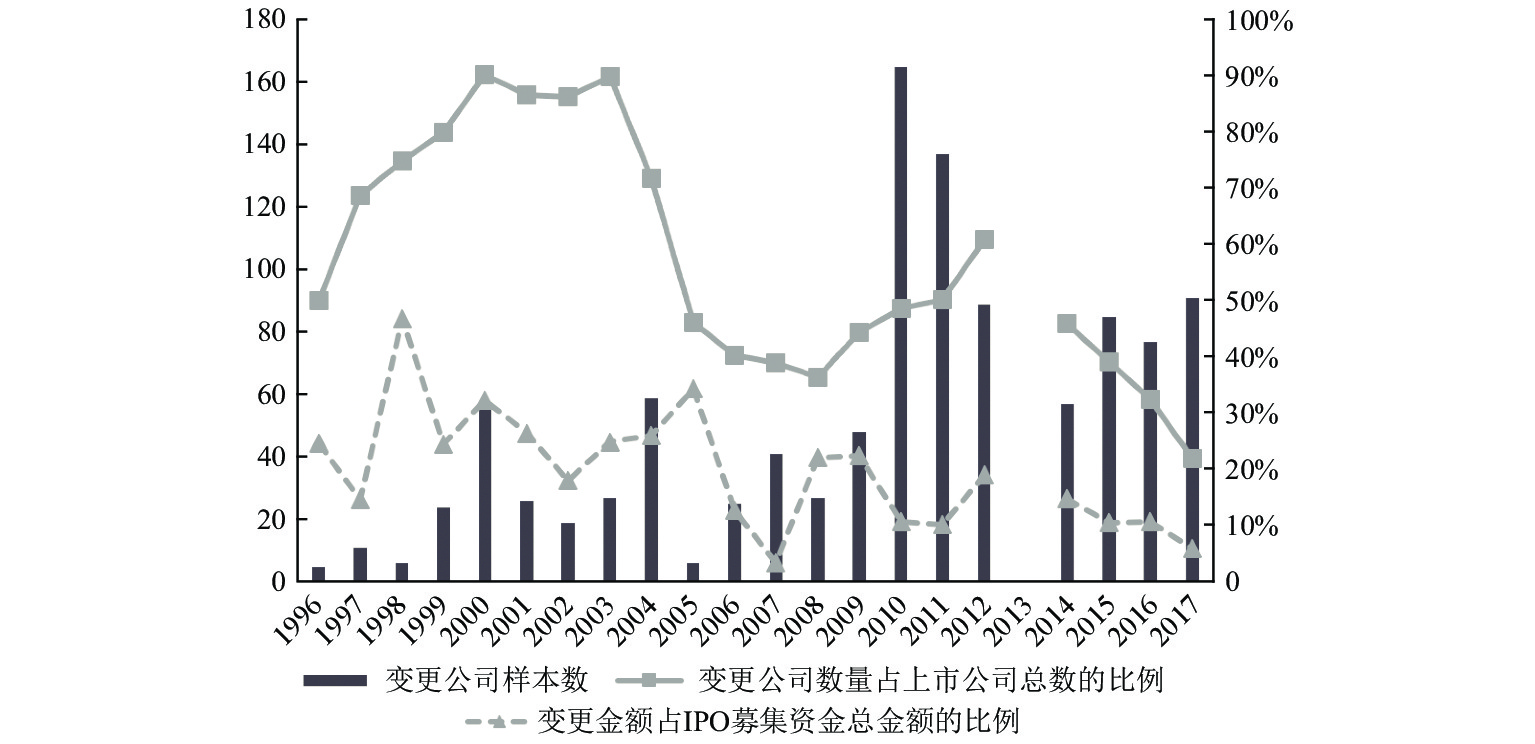
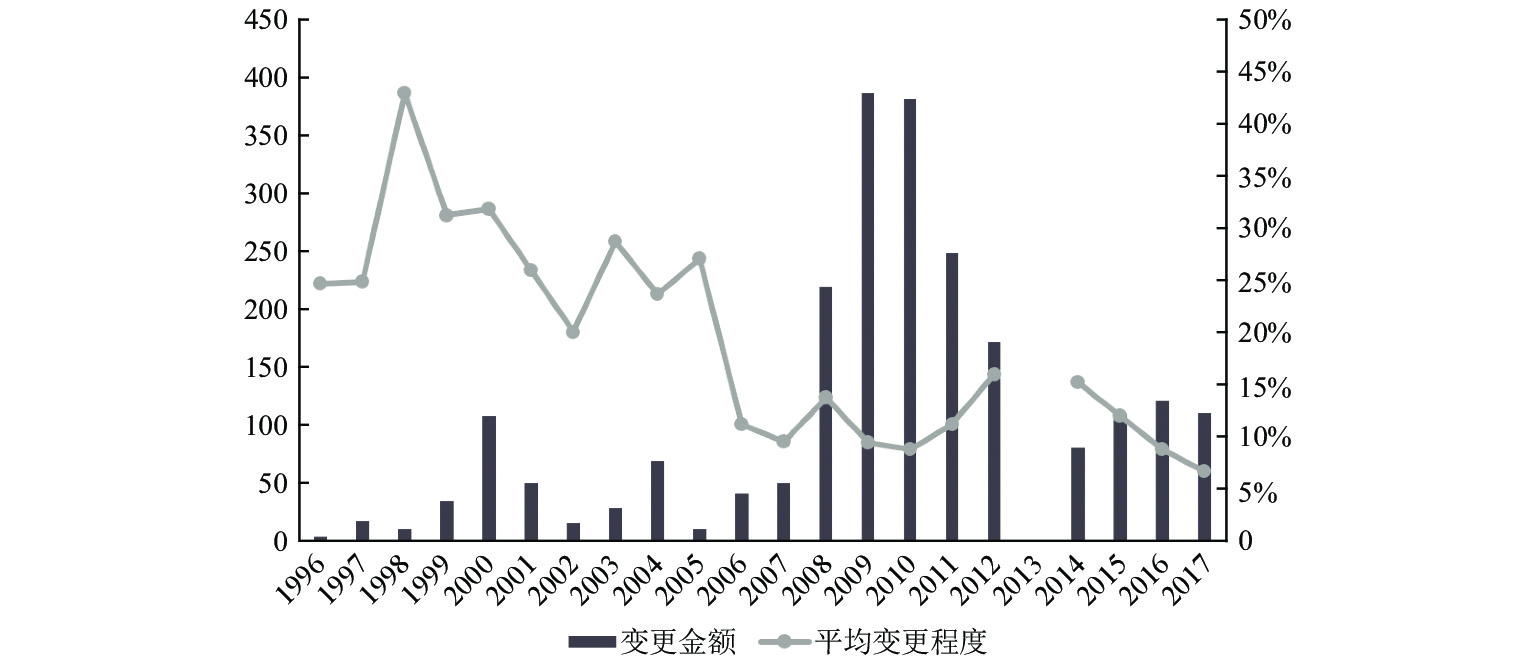
This paper takes 2401 A-share companies listed from 1996 to 2017 as research objects, systematically describes the investment projects and changes in the direction of IPO raised funds in combination with the changes of regulatory system, and further tests whether the regulatory system can effectively inhibit the changes in the direction of IPO proceeds. The results of descriptive statistics show that under the dynamic institutional background, changes in the use of proceeds presents periodical characteristics. Empirical results show that the regulatory system can effectively restrain the changing behavior. Moreover, in state-owned enterprises and in the regions with poorer institutional environment, the regulatory system has a stronger inhibitory effect on the changing behavior. Further results find that the implementation of the regulatory system can reduce the negative impact of fund-raising changes on firm performance.
This paper takes 2401 A-share companies listed from 1996 to 2017 as research objects, systematically describes the investment projects and changes in the direction of IPO raised funds in combination with the changes of regulatory system, and further tests whether the regulatory system can effectively inhibit the changes in the direction of IPO proceeds. The results of descriptive statistics show that under the dynamic institutional background, changes in the use of proceeds presents periodical characteristics. Empirical results show that the regulatory system can effectively restrain the changing behavior. Moreover, in state-owned enterprises and in the regions with poorer institutional environment, the regulatory system has a stronger inhibitory effect on the changing behavior. Further results find that the implementation of the regulatory system can reduce the negative impact of fund-raising changes on firm performance.
2021, 35(1): 43-63.
Abstract:
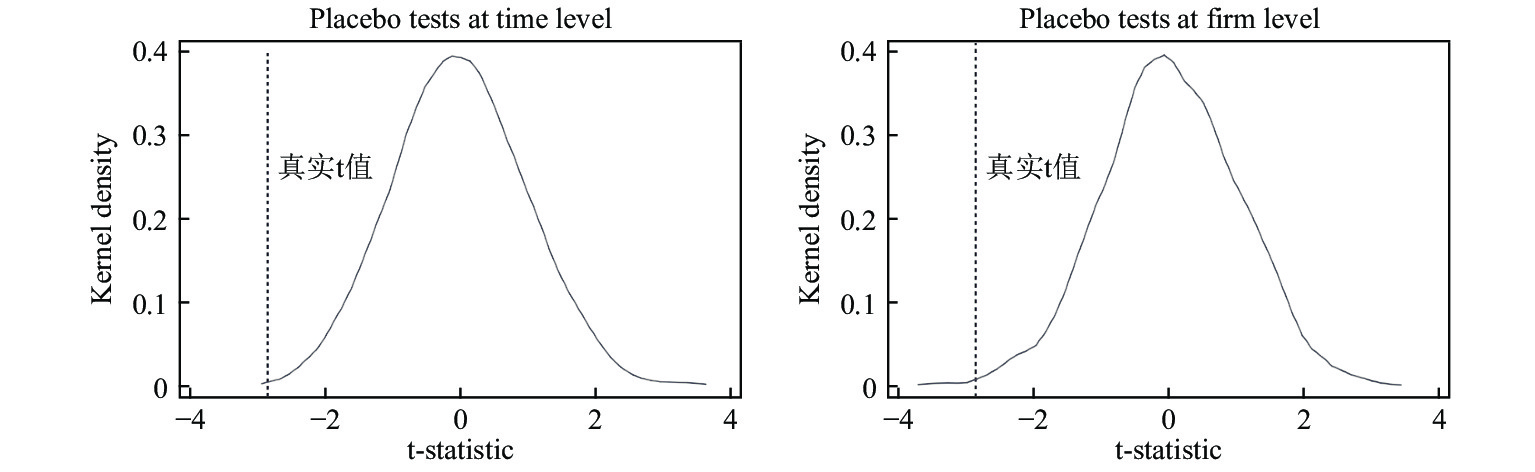
As the logic behind the training behaviors of enterprises, the study on human capital model is of theoretical significance and practical value. Different from previous literatures, which usually start from an indirect angle of the impact of the minimum wage standard on training, this paper uses the exogenous impact of pre-tax deduction proportion reform (Caishui [2015] No.63) of employee education funds in high-tech enterprises, and takes China’s Shanghai and Shenzhen A-share listed companies from 2012 to 2017 as samples to test the direct impact of the increase in on-the-job training caused by the policy on the current wages of employees. The results show that the increase of on-the-job training is accompanied by a significant decrease of employees’ current wages. In other words, employees need to pay for on-the-job training. Further, according to the different minimum wage standards in different areas, the substantive role of internal unions and the particularity of the skills required by enterprises, samples are divided into two groups with high and low compression of the wage structure. It is found that the current wage reduction caused by the increase of training mainly occurs in enterprises with low compression of the wage structure. This paper provides direct evidence for the human capital model under incomplete competitive market and reference for decisions on-the-job training in enterprises.
As the logic behind the training behaviors of enterprises, the study on human capital model is of theoretical significance and practical value. Different from previous literatures, which usually start from an indirect angle of the impact of the minimum wage standard on training, this paper uses the exogenous impact of pre-tax deduction proportion reform (Caishui [2015] No.63) of employee education funds in high-tech enterprises, and takes China’s Shanghai and Shenzhen A-share listed companies from 2012 to 2017 as samples to test the direct impact of the increase in on-the-job training caused by the policy on the current wages of employees. The results show that the increase of on-the-job training is accompanied by a significant decrease of employees’ current wages. In other words, employees need to pay for on-the-job training. Further, according to the different minimum wage standards in different areas, the substantive role of internal unions and the particularity of the skills required by enterprises, samples are divided into two groups with high and low compression of the wage structure. It is found that the current wage reduction caused by the increase of training mainly occurs in enterprises with low compression of the wage structure. This paper provides direct evidence for the human capital model under incomplete competitive market and reference for decisions on-the-job training in enterprises.



2021, 35(1): 64-76.
Abstract:
Accounting standards plays an important role in the financial reporting quality. This article uses the similarity coefficient to analyze the comparability of the Chinese government comprehensive financial report by comparing the similarities between the consolidated financial statement standards of China, Australia and the International Public Sector. The results show that consolidated financial statements standard between the International Public Sector and Australia is highly similar, while the similarities between China and Australia and between China and the International Public Sector are relatively low, which weakens the international comparability of the government comprehensive financial report of China. To improve the quality of government financial report, Chinese government is suggested to formulate an operable and specialized consolidated financial statements standard by taking account of domestic conditions and highlighting characteristics, so as to achieve the consistency of the compilation method of government financial report and the standard for government consolidated financial statement, and gradually promote the international harmony of government accounting standards.
Accounting standards plays an important role in the financial reporting quality. This article uses the similarity coefficient to analyze the comparability of the Chinese government comprehensive financial report by comparing the similarities between the consolidated financial statement standards of China, Australia and the International Public Sector. The results show that consolidated financial statements standard between the International Public Sector and Australia is highly similar, while the similarities between China and Australia and between China and the International Public Sector are relatively low, which weakens the international comparability of the government comprehensive financial report of China. To improve the quality of government financial report, Chinese government is suggested to formulate an operable and specialized consolidated financial statements standard by taking account of domestic conditions and highlighting characteristics, so as to achieve the consistency of the compilation method of government financial report and the standard for government consolidated financial statement, and gradually promote the international harmony of government accounting standards.

2021, 35(1): 77-91.
Abstract:
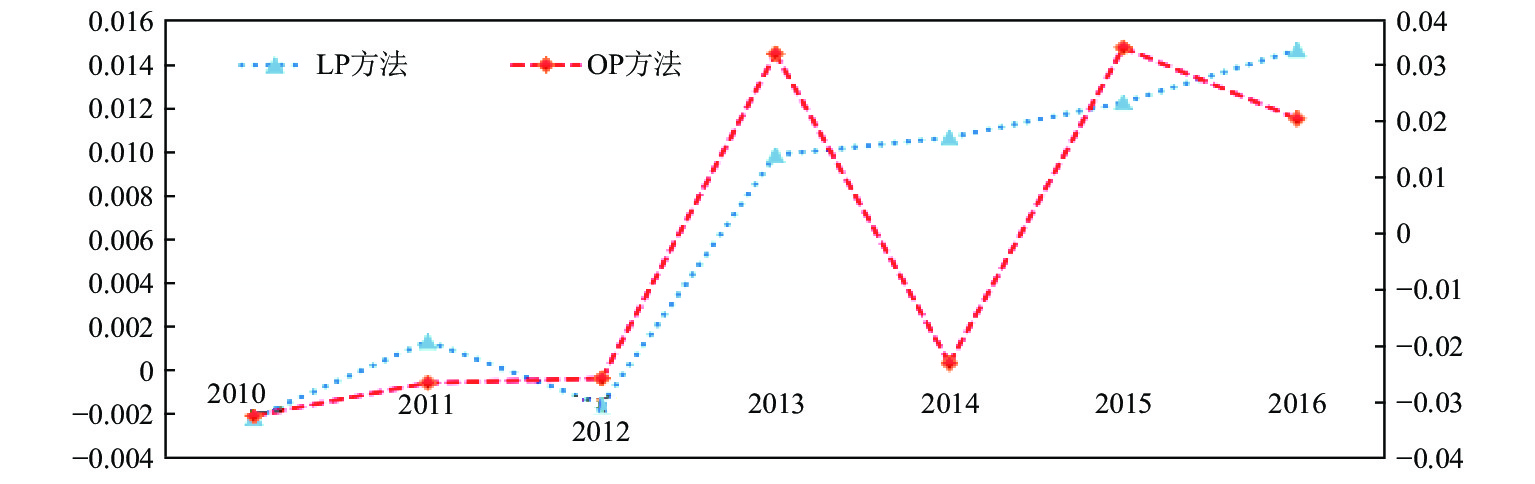
Taking the full liberalization of China’s loan interest rate in 2013 as a quasi-natural experiment and constructing a double differential model based on differences in the productivity of enterprises, we find that: (1) The marketization of loan interest rate can significantly turn around the reverse flow of credit capital in that it promotes the flow of credit capital from low-productivity to higher-productivity in private enterprises, but it has no significant influence on the state-owned enterprises; (2) The reversal effect of the loan interest rate marketization on the reverse flow of credit capital helps private enterprises transform extensional development to connotative development, but it has little effects on state-owned enterprises. We reveals the mechanism about the microeconomic effect of loan interest rate marketization from the perspective of the credit capital reverse flow, and provides micro-evidence for the causal relationship between the reform of interest rate marketization and the high-quality development of the real economy.
Taking the full liberalization of China’s loan interest rate in 2013 as a quasi-natural experiment and constructing a double differential model based on differences in the productivity of enterprises, we find that: (1) The marketization of loan interest rate can significantly turn around the reverse flow of credit capital in that it promotes the flow of credit capital from low-productivity to higher-productivity in private enterprises, but it has no significant influence on the state-owned enterprises; (2) The reversal effect of the loan interest rate marketization on the reverse flow of credit capital helps private enterprises transform extensional development to connotative development, but it has little effects on state-owned enterprises. We reveals the mechanism about the microeconomic effect of loan interest rate marketization from the perspective of the credit capital reverse flow, and provides micro-evidence for the causal relationship between the reform of interest rate marketization and the high-quality development of the real economy.
2021, 35(1): 92-109.
Abstract:
Under the background of aging population in China, social endowment insurance is the core institutional arrangement to deal with the poverty problem of the elderly. Based on the micro data of China Health and Retirement Longitudinal Study (CHARLS) in 2011 and 2015, this paper uses PSM-DID model to empirically test the impact of rural endowment insurance on poverty vulnerability of rural elderly families. The results show that endowment insurance can promote the accumulation of financial assets and durable consumer goods assets and play a role in poverty reduction, but it inhibits the poverty reduction effect of land assets of rural elderly family, while endowment insurance fails to affect the poverty reduction effect of productive assets. Endowment insurance has strengthened the role of human capital in education to reduce poverty vulnerability, but it has not significantly improved family poverty vulnerability by reducing medical expenditure burden and improving health human capital of the elderly. Further research finds that rural endowment insurance is the most effective for the joint family with the blameless population structure, followed by the main elderly family. Compared with the middle and young aged families, endowment insurance can not improve the poverty of the elderly families. The higher the family per capita household consumption level, the better the poverty reduction effect of rural endowment insurance.
Under the background of aging population in China, social endowment insurance is the core institutional arrangement to deal with the poverty problem of the elderly. Based on the micro data of China Health and Retirement Longitudinal Study (CHARLS) in 2011 and 2015, this paper uses PSM-DID model to empirically test the impact of rural endowment insurance on poverty vulnerability of rural elderly families. The results show that endowment insurance can promote the accumulation of financial assets and durable consumer goods assets and play a role in poverty reduction, but it inhibits the poverty reduction effect of land assets of rural elderly family, while endowment insurance fails to affect the poverty reduction effect of productive assets. Endowment insurance has strengthened the role of human capital in education to reduce poverty vulnerability, but it has not significantly improved family poverty vulnerability by reducing medical expenditure burden and improving health human capital of the elderly. Further research finds that rural endowment insurance is the most effective for the joint family with the blameless population structure, followed by the main elderly family. Compared with the middle and young aged families, endowment insurance can not improve the poverty of the elderly families. The higher the family per capita household consumption level, the better the poverty reduction effect of rural endowment insurance.

2021, 35(1): 110-127.
Abstract:
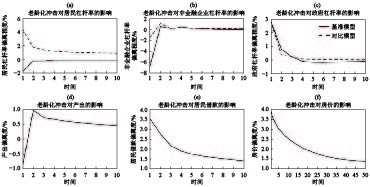
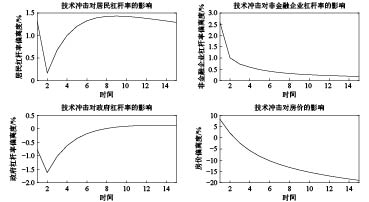
By constructing a benchmark DSGE model and its expansion model and introducing loan system of household, enterprises, government and aging shock into models, this paper studies the impact of aging on financial stability from perspectives of housing prices and macro leverage ratio. The results reveal that in the expansion model with the attributes of housing investment products considered, under the aging shock, the leverage ratio of Chinese residents could rise, housing price could plummet and then plunge, which is likely to cause the housing price bubble to burst and trigger a financial crisis. What’s more, the technical shock would further increase the leverage ratio of residents and if it is superimposed with the aging shock, the fluctuation of housing price could double. Then, after the housing price bubble bursts, the financial crisis may be inevitable. In the benchmark model, which does not consider the attributes of housing investment products, the negative impact of the aging shock on the housing prices and leverage ratio is significantly weakened. China must build a mechanism of “no housing speculation”, improve and promote policies of “household pension” to develop a good financial investment environment and alleviate the negative impact of aging on financial stability.
By constructing a benchmark DSGE model and its expansion model and introducing loan system of household, enterprises, government and aging shock into models, this paper studies the impact of aging on financial stability from perspectives of housing prices and macro leverage ratio. The results reveal that in the expansion model with the attributes of housing investment products considered, under the aging shock, the leverage ratio of Chinese residents could rise, housing price could plummet and then plunge, which is likely to cause the housing price bubble to burst and trigger a financial crisis. What’s more, the technical shock would further increase the leverage ratio of residents and if it is superimposed with the aging shock, the fluctuation of housing price could double. Then, after the housing price bubble bursts, the financial crisis may be inevitable. In the benchmark model, which does not consider the attributes of housing investment products, the negative impact of the aging shock on the housing prices and leverage ratio is significantly weakened. China must build a mechanism of “no housing speculation”, improve and promote policies of “household pension” to develop a good financial investment environment and alleviate the negative impact of aging on financial stability.

 Email alert
 RSS